
Global carmakers have also faced stiff competition in China – a major market for luxury brands like Ferrari. Car buyers there have come to expect low prices, long battery ranges and innovative features.
China is home to vast supply chains for EV parts that helps to lower the cost of production by at least 30% compared to the rest of the world, according to the International Energy Agency.
Aggressive subsidies in the country have also led to huge growth in the number of carmakers, forcing firms to cut their prices and innovate to win over customers.
That fierce competition has also forced Western firms, including Tesla and VW, to slash their prices in China.
Chinese EV makers are increasingly targeting the premium market to boost their profit margins, competing with Porsche and Tesla’s high-end models.
Electric supercars have also been rolled out by Chinese firms better known for SUVs and saloons. An example of what Western brands are competing against is the $250,000 all-electric BYD Yangwang U9. It can reach 60mph in just over 2.3 seconds.
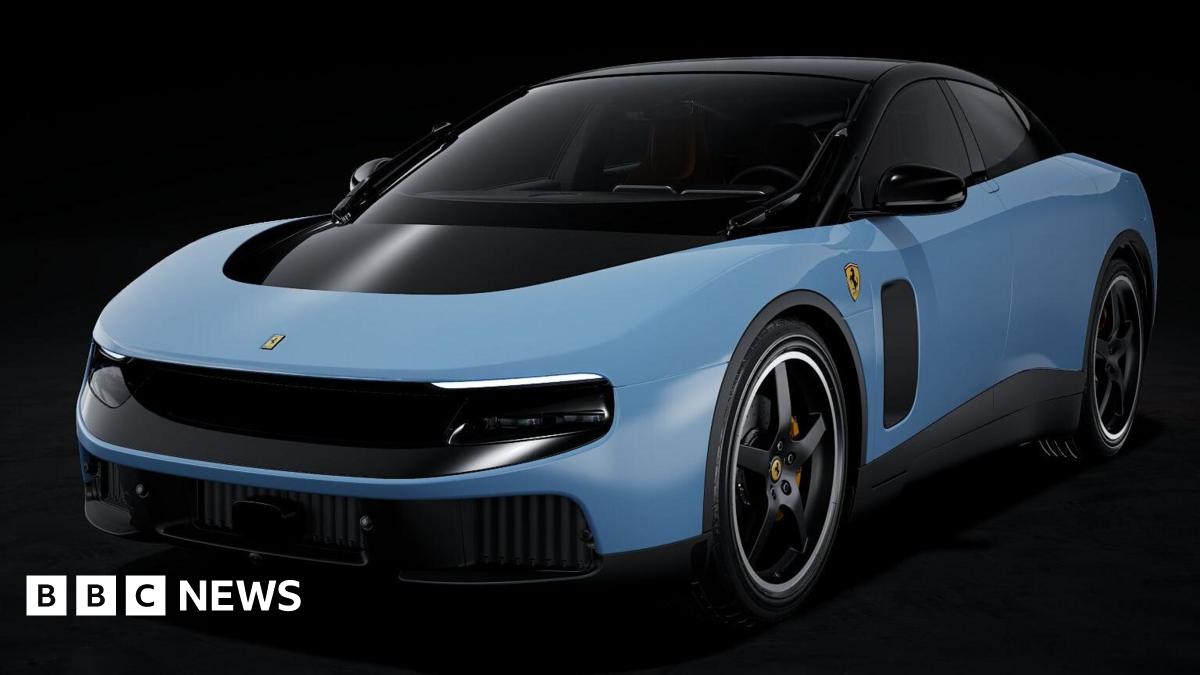
That is perhaps why, with the Luce, Ferrari is targeting a completely different market from those looking to buy a conventional supercar.
The Luce could appeal to younger buyers who are more open to EVs compared to Ferrari’s die-hard fans, Cheam said.
Given how unfamiliar it looks as a Ferrari, the Luce may also attract new customers to the brand, Wong said.
The firm could have done with a “dipstick test” with loyal customers to see whether such a design would resonate with them, Wong said.
“But then again, all this could have been intentional, given the huge media storm that the Luce has attracted.”
The BBC has asked Ferrari for its response to criticism of the Luce.