
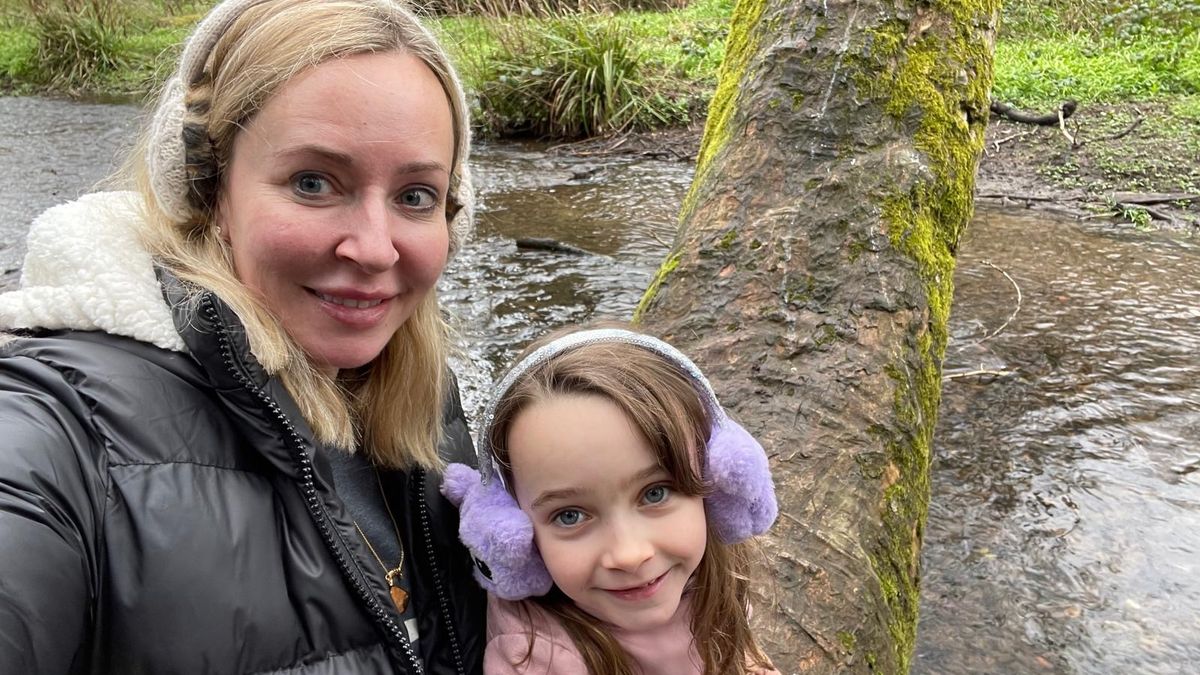
EXCLUSIVE: ‘ It was literally like having our entire world turned upside down’
08:00, 31 May 2026Updated 08:30, 31 May 2026
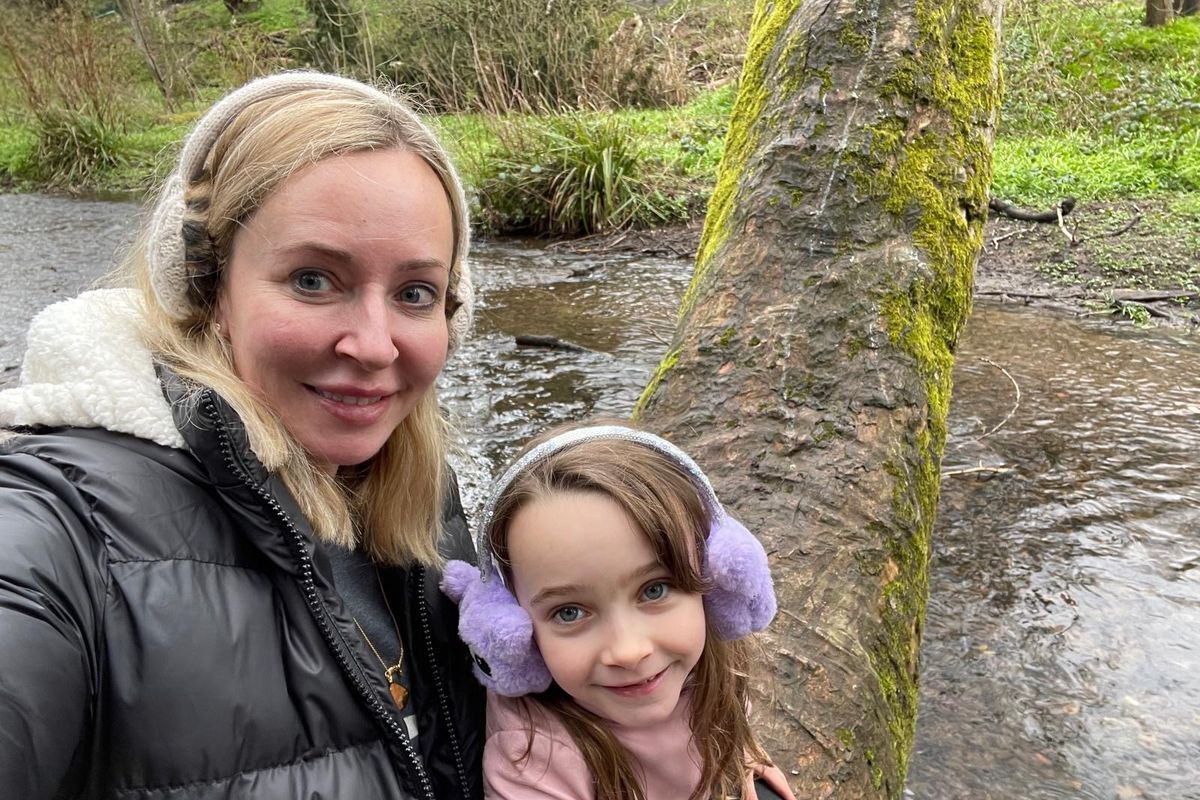
‘She just didn’t want to be here anymore'(Image: Kate Conroy)
An Edinburgh mum who watched her daughter ‘completely change overnight’ has spoken of her family’s ordeal. Kate Conroy said 10 year old Tilly was a ‘cuddly, clever, affectionate’ little girl two years ago.
Kate was at home in Redford in 2024 with Tilly and her 13 year old brother when she first noticed a shift. Tilly was taking a bath, tapping a certain number of times and counting, and told her mum ‘she felt like she had to’.
Within days, the schoolgirl was turning off switches and walking through doorways a certain amount of times. Kate dropped her off at school, before Tilly ran off school grounds as she was ‘terrified of being separated’.
Tilly’s situation snowballed and she was having hallucinations of spiders crawling up her legs, stopped eating as she felt the food might be ‘contaminated’, and felt compelled to jump from the St James Quarter. At her worst moments, Tilly wanted to die.
While GP’s suggested anxiety and OCD, Kate felt this ‘didn’t fit’ and discovered PANS/PANDAS through research. A neuropsychiatric condition (both neurological and psychiatric), PANS and PANDAS are believed to be caused by a strep infection.
An abnormal reaction to the infection is thought to cause antibodies to mistakenly attack the brain. The condition is characterised by sudden and severe onset of obsessive-compulsive disorder (OCD), restricted eating, anxiety, separation concerns, suicidal ideation and hallucinations.
PANS PANDAS UK says on their site: “People with PANS or PANDAS experience a variety of symptoms ranging from abrupt changes in behaviour, difficulties with movement and the often-sudden onset of mental health challenges. PANS and PANDAS are often grouped together because they share lots of symptoms in common. Both conditions can begin quite suddenly, and symptoms may come and go over time.”
After going to a private clinic in London, Tilly was diagnosed within two weeks – though it doesn’t mean it’s plain sailing for the family. Speaking with Edinburgh Live, Kate took us back to the day their lives were ‘turned upside down’. She told us: “It was the autumn of 2024, and it was a supper sudden onset. Prior to that she was fine, I had no concerns about her whatsoever.
“The only thing is she had lots of strep throat and scarlet fever, she was poorly a lot. In terms of her behaviour, her emotions, mental health – she was just a happy, average little girl. Basically overnight, everything changed. I remember it so vividly because it literally happened out of the blue.
“I went into the bathroom and she was having a bath, tapping a certain number of times and counting. When I asked why she was doing it, she said she felt she had to. The next morning, this escalated to having to turn switches on and off and walk in and out of doorways a certain number of times.
“When I dropped her off at school, she was so terrified of being separated from me that she ran out of school grounds after me. That was of course completely against the rules, and before all this she would never have broken a rule. It was such a dramatic change.”
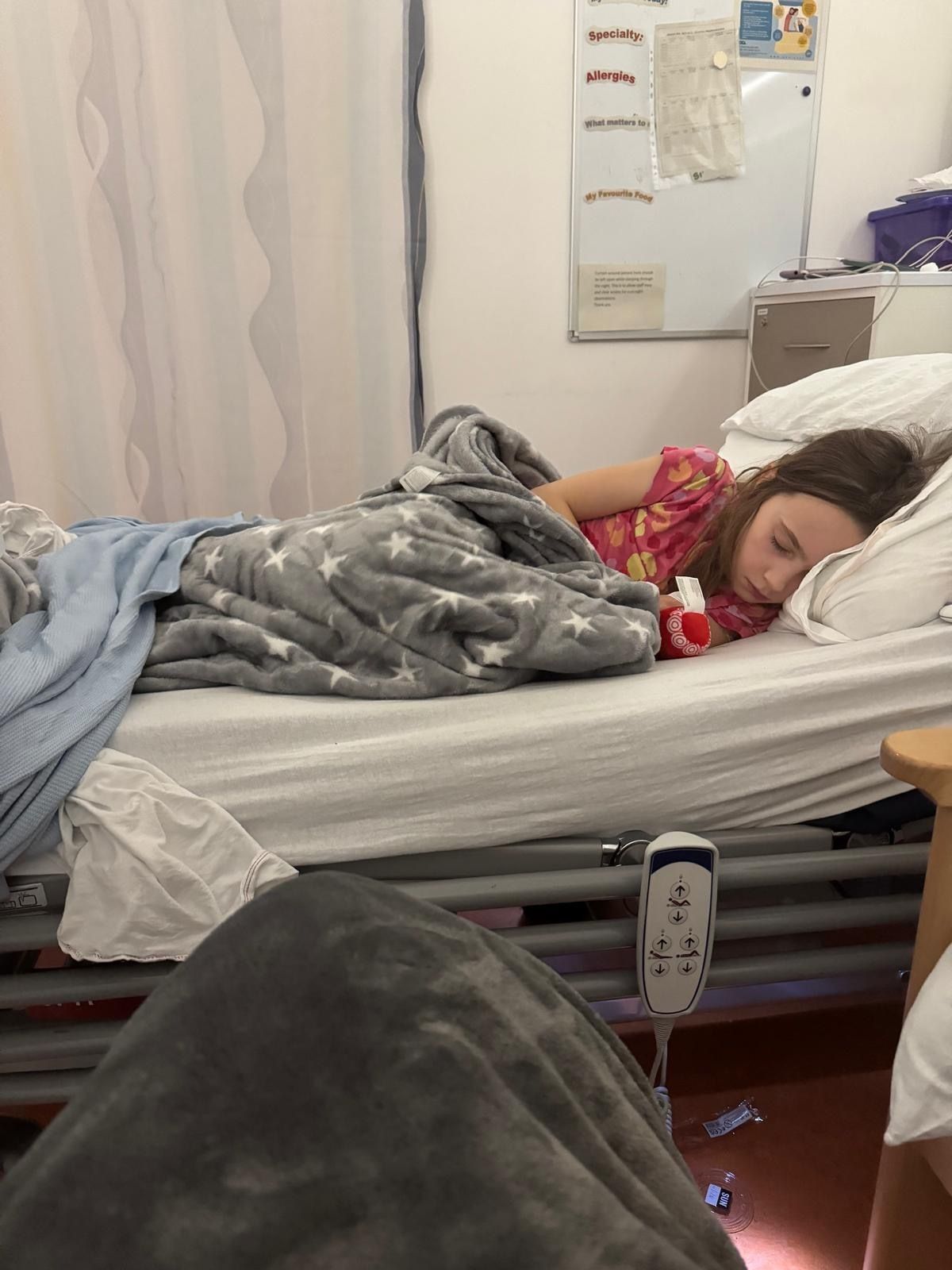
Tilly during some of her ‘darkest times'(Image: Kate Conroy)
Tilly’s condition worsened over the following months, and Kate felt that it was something more than childhood anxiety. She added: “It snowballed from there, we went to a GP who put her on a wait list for CAMHS, and we’ve only just seen them last week. That’s not meant in a critical way, they’re massively overwhelmed.
“Over the course of around four to five months, she got so poorly. She started having hallucinations, couldn’t bear to be away from me, stopped sleeping, struggled with wearing clothes because she couldn’t stand the feeling.
“She developed severe body dysmorphia – so she’s very, very petite and tiny, but she thought she was horrendous – so I had to cover the mirrors in the house because she hated herself so much. In the worst moments, which I get upset if I talk about, she wanted to die.
“She just didn’t want to be here anymore. It was so, so scary.”
Kate began to think maybe Tilly had a brain tumour, as it was the only rational explanation for the sudden changes in behaviour. She told us: “I couldn’t understand what else would have caused her to completely change into this. It was like I’d lost her.
“I researched what this could possibly be because the GP had said it was maybe anxiety, and I thought it just doesn’t make sense, it doesn’t fit, it’s not just anxiety. There’s so much I could tell you. She stopped eating because she was worried the food was contaminated or out of date. She felt compelled to start jumping off the high bit in the St James Quarter.
“She wanted to try, and she felt like she had to jump, with intrusive thoughts. I eventually came across PANS/PANDAS and she ticked every single symptom. I asked the GP who hadn’t heard of it, and then paid privately for her to see a specialist in London. He diagnosed her within two weeks.
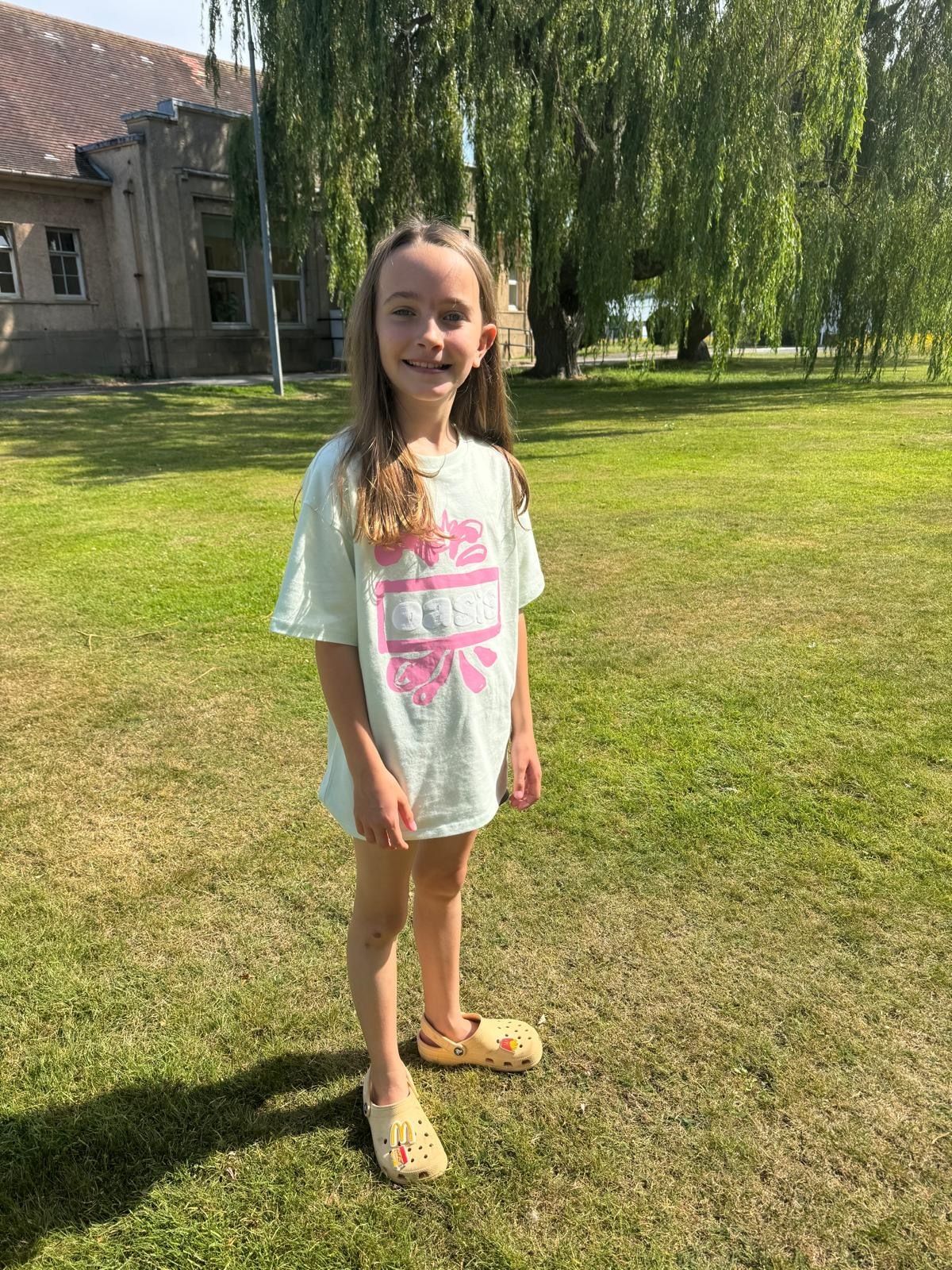
‘She was easy, cuddly, affectionate, clever'(Image: Kate Conroy)
“She started medication, which helped, and then we started psychiatric help. Now we’re in a place where she’s doing so much better. Tilly can wear clothes, she’s playing, we’re able to leave the house again. She turned 10 and we were able to celebrate that.
“It’s all done privately though, and the cost is immense because there’s neuro, psychiatry, immunology, paediatrics.
“I think what’s so hard is how isolating it’s been, the condition isn’t really recognised.”
Kate told us she’s hoping to raise awareness of the little-known condition. If she had known about it before, Kate feels the ordeal may not have been quite as daunting.
She added: “People think it’s rare, but actually it’s rarely diagnosed because there’s so little awareness about it. I’d really like to raise that, sometimes seeing other people share their stories can resonate with you – and as a parent who has gone through something this scary, it might make people feel less alone.
“She still gets flares, but we have treatment in place. There was a year and a half, where in the worst moments I genuinely didn’t know if we’d make it through.”
Kate and Tilly have had their ‘entire world turned upside down’ – Tilly has missed a lot of school, and Kate began working from home so she could be there for her daughter.
Kate continued: “I just became entirely focused on trying to keep Tilly alive – which with how she felt sometimes, and how dark things were, that is no exaggeration.
“I started working from home, there was so much school that she missed because she wasn’t able to attend school, at times at all. I didn’t sleep, because she didn’t sleep. She’d be up hallucinating thinking she could feel and see spiders crawling towards her, so we didn’t sleep.
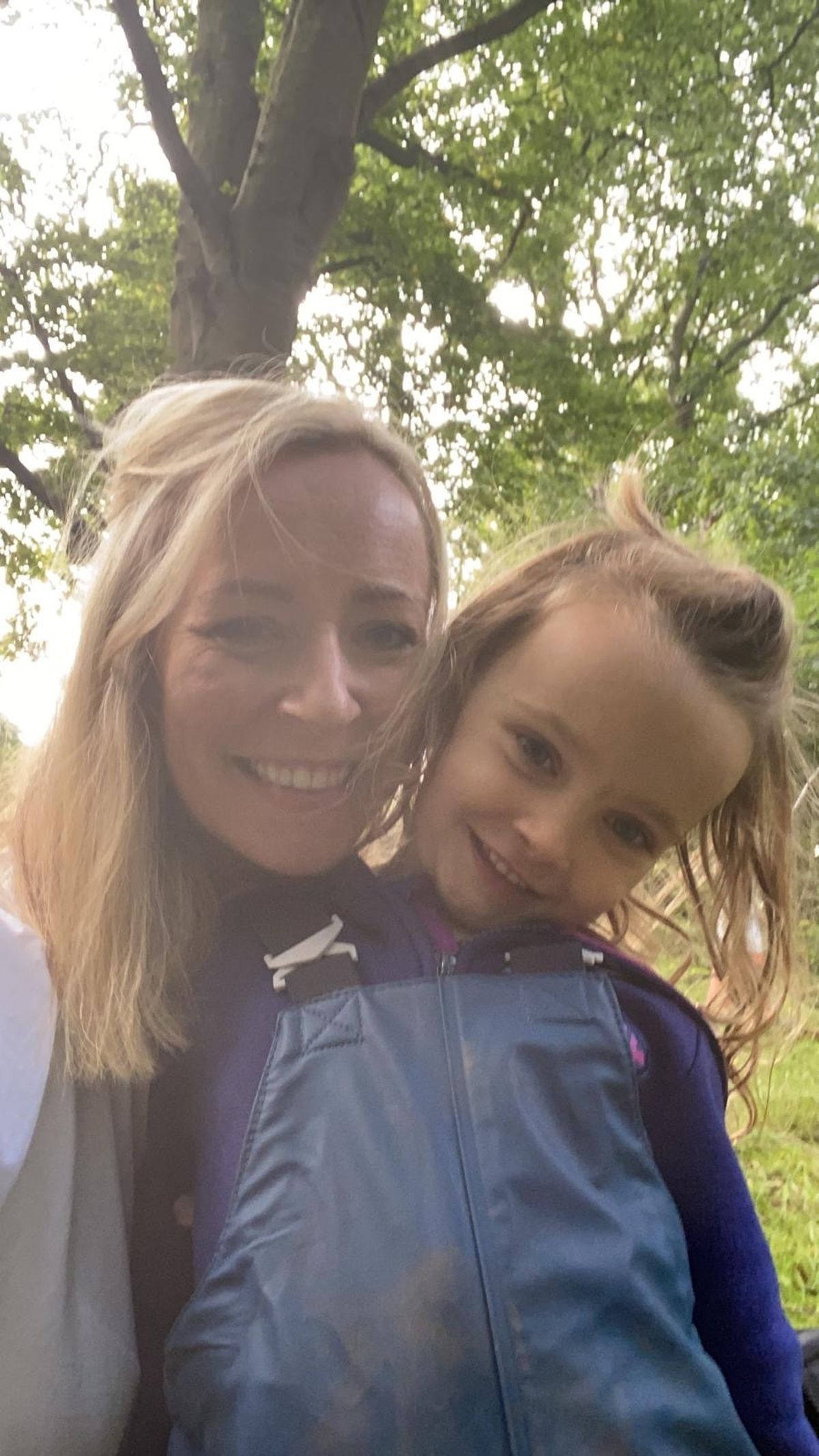
‘I try to be really optimistic, there are a lot of unknowns'(Image: Kate Conroy)
“Her brother is now being supported by a charity as a sibling carer, because he’s helped me look after her. When things were really bad she would cling to me because she was so terrified, he’d sit with her and help her through some of her OCD rituals and intrusive thoughts while I would go and grab a shower.
“He said something that sums it up really well – she’s still Tilly, but she’s not the same Tilly. That’s immensely confusing, it’s been likened to having someone who you love with dementia where their personality changes. There’s a thing called glass siblings, where kids feel they aren’t being seen or heard because they aren’t a priority. It’s never what I would want for my son, but that is kind of what happened.
“I’ve worked very hard to help him feel connected, but the bottom line is he’s taken a backseat for two years. Tilly does understand, it was really important for me to help her understand it because she was so terrified. She’s able to tell me when something is happening now.
“She can say ‘I’m feeling a flare’, which means she’s having intrusive thoughts and OCD is coming back. I can see it in her, her eyes change and she’s more withdrawn. She becomes more irritable, and we know that’s a sign. We know we need to start antibiotics and ibuprofen. Her condition is super complex, but the treatment is actually incredibly simple.”
Before Tilly’s condition turned their world upside down, Kate recalls her daughter being an ‘entirely different person’. She told us: “She was wonderful. She was easy, cuddly, affectionate, clever. She was my cuddly koala, and would run and give these big hugs.
“When she got ill, she couldn’t stand being touched – it hurt her skin to be touched. She felt like she couldn’t have her hair moved out of place, so I couldn’t hold her. That was one of her very rigid OCD rules, that would make me cry saying it because I couldn’t even hug her when she was in distress because she was unreachable, and the contrast between her before was just so massive.
“One of the other symptoms of it is dilated pupils, so her pupils went really massive. You look at old pictures and compare, and there’s such a difference – it was literally like someone had taken old Tilly and replaced her with a new one.”
When it comes to her future, there’s a good chance Tilly will need long-term care. Kate continued: “I try to be really optimistic. There are a lot of unknowns. There’s these spikes and the symptoms come back when her immune system is triggered by something.
“It’s going to limit how and what she’s going to be able to do in the world. If she said ‘I want go off backpacking in India’ when she’s 18, that feels out of reach at the moment.
“My concerns comce from from how severe and frightening her symptoms can be during a flare. Being so far from home in that situation would worry me.
“We are in a much better place than we were now that we’ve got onto the right medication and treatment, but we’re not expecting a simple recovery.”
PANS PANDAS UK say the impact of the condition on a child’s future is ‘very difficult to predict’. On their site, they say: “Every child or young person’s experience of PANS or PANDAS is unique. We do know that the symptoms can be extremely challenging and disruptive. Some children and young people may need time away from education, experience changes in friendships, or struggle immensely with their mental and physical health during periods of severe symptoms.
“At the same time, lived experiences and stories from within the PANS and PANDAS community show that outcomes vary widely. Some children and young people do recover fully or see significant improvements over time. For others, however, symptoms can remain severely debilitating or fluctuate over the longer term, and the impact on daily life can continue.”
Join Edinburgh Live’s Whatsapp Community here and get the latest news sent straight to your messages.