
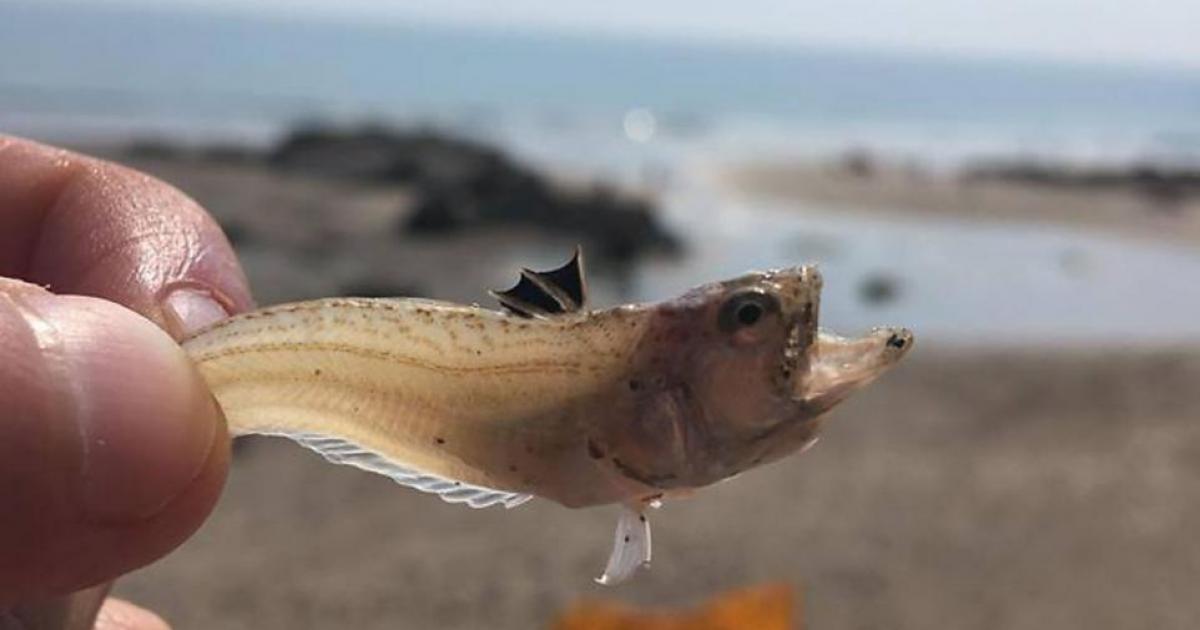
Happisburgh Coast Watch is among the first organisations to issue a warning about weever fish this year.
There are two types of weever fish in the UK – lesser and great.
“They spend most of their lives buried in the sand, but when disturbed, they shoot up their black dorsal fin in defence, injecting a painful venom into unsuspecting victims,” a coast watch spokeswoman said.
She said that if you are stung it is best to rinse stings with seawater (not fresh water), remove visible spines using tweezers or a bank card, and soak the affected area in very warm water for at least 30 minutes.
The heat helps neutralise the venom.
Paracetamol or ibuprofen can be taken to help relieve discomfort.
People are advised not to use ice or cold packs, touch the spines with bare hands, or urinate on the sting.
Help should be sought immediately from lifeguards if on a lifeguarded beach.
According to the NHS, a visit to a minor injuries unit is recommended if severe pain continues after soaking or if the sting is near the eyes, mouth, or throat.
Beachgoers are urged to dial 999 for an ambulance if they experience a severe reaction, such as difficulty in breathing, nausea, or dizziness.
Prevention measures include wearing jelly shoes, wetsuit boots, or old trainers while paddling in shallow water.
Shuffling feet along the sand, rather than lifting them, helps disturb the sand and scare away hidden weever fish before contact.