
Ahead of the exchanges in the Commons, Unite general secretary Sharon Graham said: “The government’s ongoing failure to produce the DIP is a threat to British jobs and skills, as well as a serious threat to national security now and for generations to come.”
Graham said “money must be spent in the UK” when the DIP is finally agreed and “anything else would be a betrayal”.
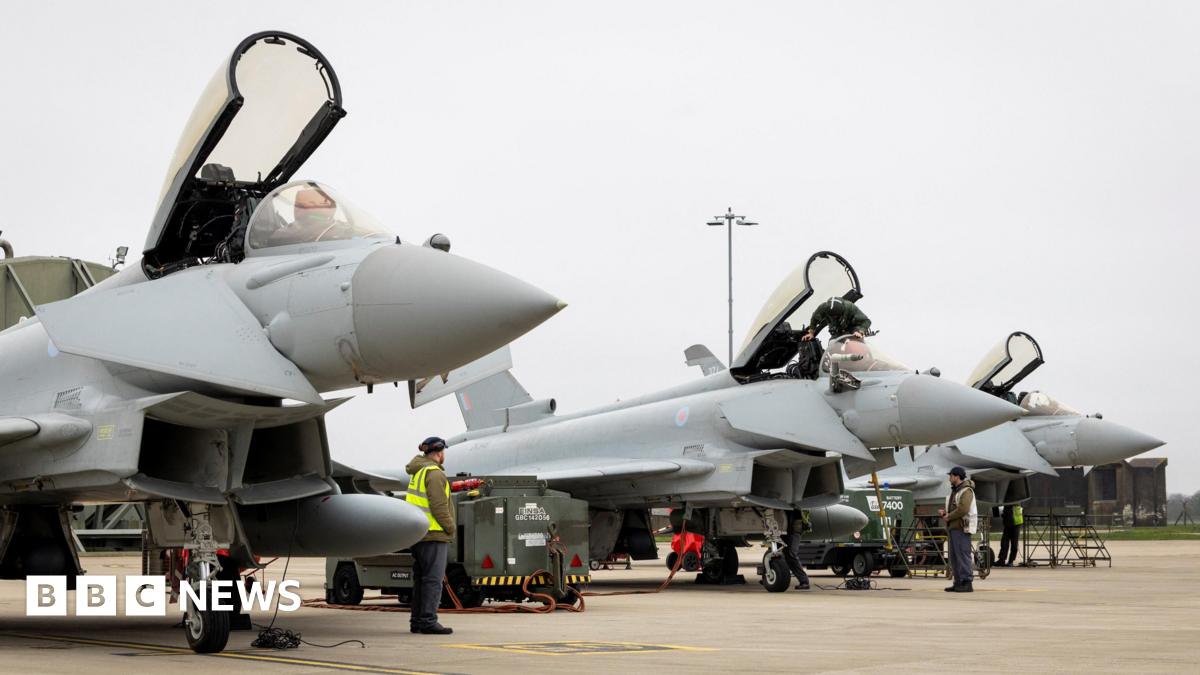
She added: “The government has a duty to ensure that contracts including a new tranche of Typhoon fast jets, the Skynet satellite and the A400M transport plane are signed off and production lines in Britain are rolling as soon as possible.”
ADS, a trade association for the UK’s aerospace, defence, security, and space industries, urged ministers to get on with the DIP.
Chief executive Kevin Craven described the 12-month gap between the SDR and the DIP as “pretty abysmal”.
He told the BBC: “We’re in a world where all of the threat assessments say that 2027 could be the point at which we come under credible military threats.
“Whether we do or we don’t, I’m not being alarmist about it, we need to be ready for that and we’re not, simplistically.”
Craven noted that ADS members, particularly smaller firms, are warning about the threats to their long-term future should things not start progressing.
He said: “We have seen firms either moving out of the sector or changing direction and it will continue, no question about that.”
Clancy, from Prospect and also a member of the Defence Industrial Joint Council, said: “Every month of delay is a month where fewer jobs and training places are created, and where industry is unable to invest in the infrastructure we will need to ensure sovereign capability.”