
The programme has grown into a consortium of more than 2,500 scientists, clinicians, technologists, patients and partners.
At its centre is CIARA, an AI scientist platform designed to analyse tumour biology, coordinate laboratory experiments, and help researchers develop personalised cancer vaccines.
The team has been developing biological AI models using the United Kingdom’s sovereign AI systems, including the DAWN and ISAMBARD-AI supercomputers.
The university said they allowed researchers to analyse “vast amounts of cancer and immune data at a scale previously impossible within conventional university computing environments”.
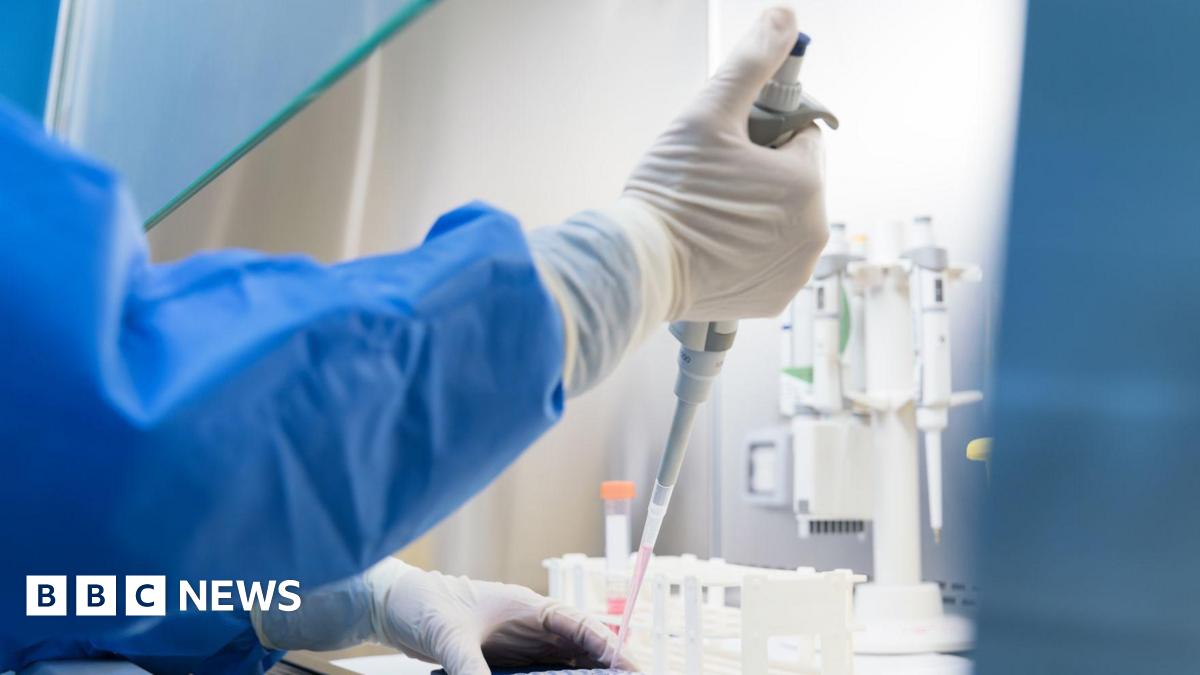
The MRC funding will help with the next steps, including equipment needed to manufacture experimental mRNA cancer vaccines and test whether the AI’s predictions work in patient samples.
The aim is to determine whether vaccine targets selected by AI can generate strong anti-cancer immune responses.