
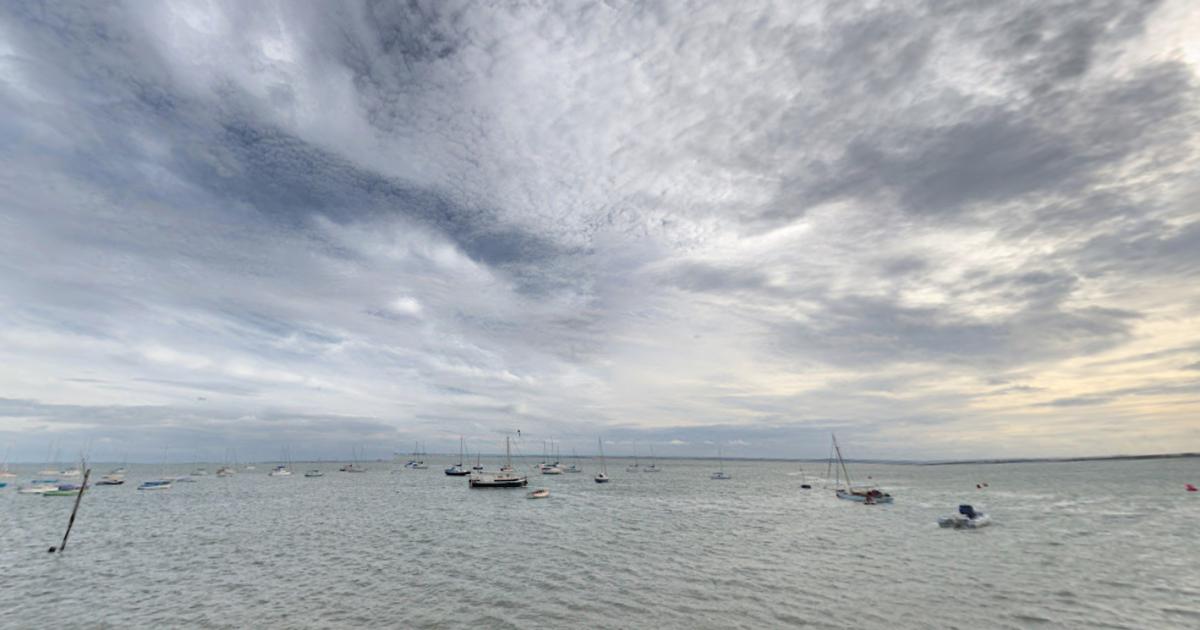
According to live monitoring data, a storm overflow at Anglian Water’s Belton Gardens outfall, which discharges into the Thames Estuary, released sewage‑laden water for around 23 minutes on June 2, following heavy rain.
Residents reported a dark, foul‑smelling patch of water between Leigh and Chalkwell, prompting fresh concern over the impact of storm overflows on local bathing spots.
Cllr Matt Dent, Southend Council’s cabinet member for business, culture, music and tourism, confirmed the authority was aware of the June 2 discharge and action was taken.
He said: “We are aware of the discharge recorded on 2 June.
“Responsibility for monitoring bathing water quality and assessing any impacts sits with the Environment Agency.
“On 2 June, following national Pollution Risk Forecast warnings, the council displayed its standard precautionary ‘swimming not advised’ signage at affected beaches.
“We will continue to work with partners while focusing on our role in maintaining local infrastructure.”
The Pollution Risk Forecast system is used nationally to flag short‑term dips in water quality, often linked to heavy rain and storm overflows, and can trigger temporary warnings at popular bathing waters.
An Anglian Water spokesperson said: “We know our customers and communities feel strongly that storm overflow discharges are unacceptable, and we agree.
“Storm overflows have been part of the sewer system for decades, and they were originally designed to protect homes and businesses from internal sewer flooding during heavy rainfall – something they still do today.
“Our long term goal is to completely stop using storm overflows, but getting there isn’t something we can do overnight.
“We’re investing more than ever before to reduce storm overflow discharges.
“We’ve already removed hundreds of storm overflows from our network, and our monitors show that the number and duration of spills is decreasing, so we know we’re on the right track.
“Our 2025 to 2030 business plan builds at pace on the work we’ve already started, with £11 billion worth of investment planned to improve our performance.
“£1 billion of this has been earmarked specifically to tackle storm overflows and improve river water quality, by building more rainwater storage in our network, improving our monitoring so we can predict and prevent spills, and creating new roles dedicated to improving our performance on spills and pollutions.”