
I absolutely agree with the findings from The Herald Scottish Golf Survey 2026. Our own surveys reveal that membership subscriptions continue to rise at only half the rate of visitor green fees, a clear indication that clubs are looking for external revenue to cover more and more of their operating costs.
The bad news for the industry is that resignation levels are now back to the pre-Covid boom rate of above 6%, with the smaller clubs running closer to 10%. Our clubs certainly don’t want a repeat of the 20 years of membership decline they experienced before Covid, but it could happen.
Within CCL’s annual survey, club leaders reveal their confidence levels and as you can see in the pie charts below, a quarter of clubs are concerned for their future, with this increasing to a third of clubs when looking to the longer-term. The reasons given by clubs for this concern are a combination of three things: a lack of long-term strategic thinking; the lack of or quality of volunteer governors; and the on-going cost of living increases which we know are outpacing members’ subscription levels.
(Image: CCL)
This is the reality facing our clubs, with the largest number being in what you might call the JAM category (Just About Managing). Having been up close with a lot of these clubs I think they may be better referred to as COASTing – (Comfortable, Old-fashioned, and Avoiding Strategic Thinking).
This strategic thinking can be as simple as evolving with the times but also includes the very real threat of replacing ageing assets such as irrigation, machinery, kitchen equipment and clubhouse facilities. Given our climate these days, an irrigation system is now considered to be a must-have rather than the nice-to-have they were 20 years ago. That is a seven-figure replacement cost coming at the members over the horizon, and the typical golf club’s “year to year” approach along with break-even budgeting just isn’t going to cut it anymore.
The smart clubs are addressing the very real reality of properly funding the club’s assets that they own, to ensure they can continue to provide a compelling member experience. But many are simply kicking the can down the road for the next committee. And did somebody mention it’s getting harder to find new committee members?
These are what I call the HOPE clubs (Hesitant, Overdue for change, Pricing below reality and Expecting rescue). They are hoping that the tide will turn, or their governing body will wave a magic wand that allows them to continue to provide golf in their towns for another generation to enjoy. I would say that they are beyond hope, and now in DENIAL (Delaying Economic Necessities In A Losing model).
Kevin Fish says members with high-calibre credentials could be put off from volunteering for governance roles by a lack of long-term planning at their golf club (Image: Supplied)
For many clubs, rather than raise the membership fee, they default to cutting costs, which is a combination of failing to maintain their facilities and reducing the number of staff. Those clubs are choosing a fork in the road which reduces the standards at the club and takes them inevitably to being a VOLUNTEER club (Viable only through Ongoing Labour from Non-professional Traditionalists, Extending Economic Reality).
And didn’t we just say that those kinds of volunteers are getting harder to find, especially as more and more responsibility falls on their shoulders from a more demanding customer base? Has anybody else noticed how unreasonable a lot of golfers have suddenly become? What the hell did Covid do to everybody?
So you will no doubt be left thinking, why don’t club boards and committees grasp the nettle and raise the price of a membership to a level that allows them to thrive? These clubs are living in FEAR (Frozen by Economic Anxiety and Resistance). “But Kevin, if we put the price above £1,000, everyone will leave”. That may be the case for some clubs, but is the alternative to close your eyes and hope for the best, whilst the member experience goes backwards?
Read more:
That doesn’t seem to be working folks, and you can see why clubs themselves state that the absence of a long-term strategy for their club is their greatest concern. Which in turn is perhaps why many high-quality business-like members might want to avoid volunteering until that absence of a plan is addressed.
The larger clubs The Herald survey refers to are not immune from the problems the industry is having. These SAFE clubs (Secure, Affluent, Famous and Established) are generally also VISA clubs (Visitor-funded, Internationally Sought After), but this doesn’t always make for a happy membership.
Most “private” golf clubs benefit from sharing their golf course, and in return most clubs rely on about 12% of their gross profit to come from non-members. But in the higher tier of the industry (charging over £100 to a midweek visitor), 27% is the norm. And then we have an elite group of what you might call PASSPORT clubs (Propped up by American Spending and Seasonal Pilgrimages Of Recreational Tourists).
Read more:
Such reliance on external revenue causes sleepless nights for treasurers who know that more than half of their gross profit is another crisis (2008 crash, 9/11, foot and mouth, Covid, global terror/war) away from collapsing again. And don’t think that the members in these clubs are happy, because many PASSPORT reliant clubs often move away from being what they were set up to be – a members’ club that welcomes visitors – and instead turn into resort clubs that tolerate their members.
So what is the solution for our Scottish golf clubs?
The smart clubs show their members that they are the true drivers of the club, by authentically and thoroughly engaging them in a process that establishes an agreed direction of travel, designed to secure the club’s future in the long-term. This shift towards strategic planning also helps to attract the best possible members to help govern the club, and generate the funds that allow you to deliver a compelling membership experience – whatever that is for your club and its members.
Kevin Fish can be contacted via www.ccl.services.
Click here to sign up for The Herald’s Business of Golf newsletter, out every Sunday.
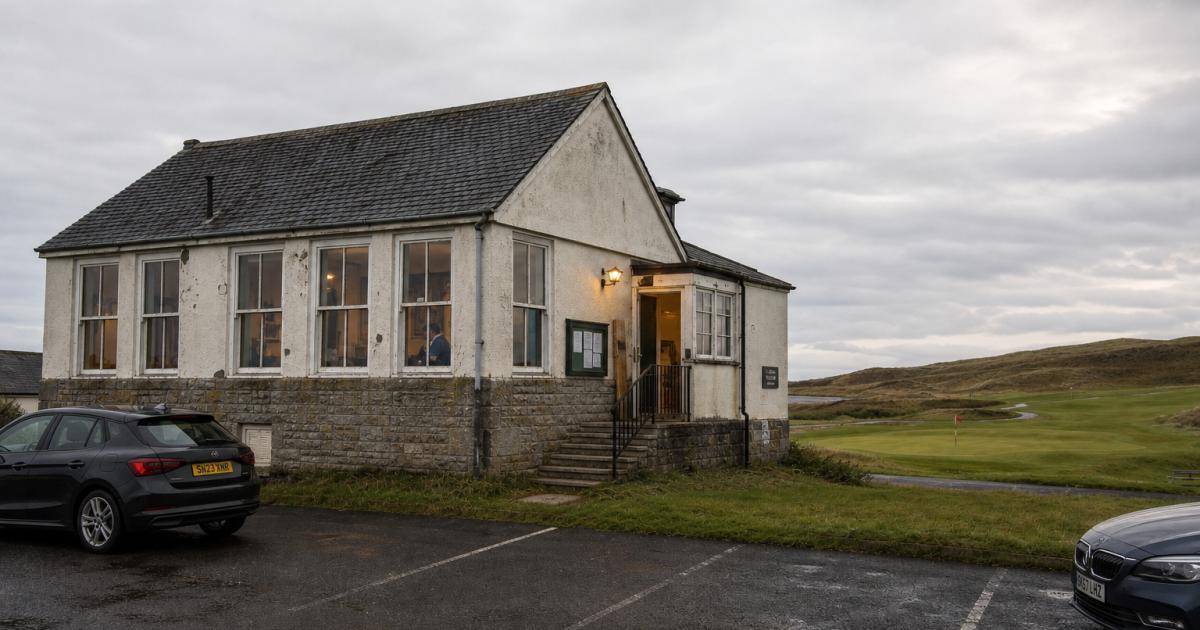
(Image: Damian Shields)