
 Fears of escalation drive questions over the limits of US influencepublished at 23:25 BST 7 June
23:25 BST 7 June
 John Sudworth
Reporting from Beirut
As we’ve been reporting, the IDF earlier said it was “preparing for potential fire” after it struck what it called Hezbollah targets in the Lebanese capital Beirut.
Beirut has become a geopolitical battleground of its own within the wider Israel-Lebanon conflict.
In many ways, what is happening in the capital pales in comparison to the fighting in southern Lebanon, where Israel’s ground offensive and aerial bombardment have continued daily and intensified in recent weeks.
But Beirut has been treated differently for political reasons. While there have been one or two targeted strikes in recent weeks, there has also been a sense that US pressure was helping to restrain Israeli action in the capital.
That appeared to end today, not just with the strike on Beirut’s southern suburbs with the scenes of heavy damage to an apartment building, people rushing the wounded to hospital, and reports of fatalities, but with the warning from the IDF that more was to come.
“To be continued”, one of its spokesmen wrote on X.
The strike came after a warning from the Israeli military that further action could follow.
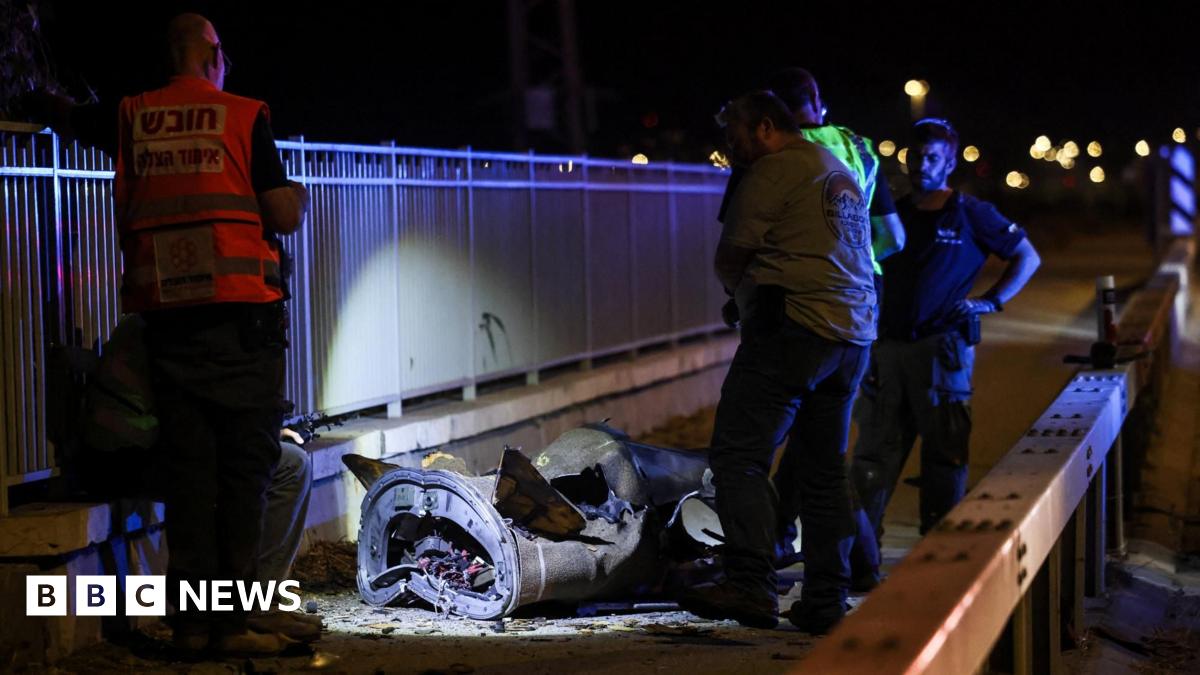
Israeli officials said two Hezbollah projectiles crossed the border earlier in the day, and Hezbollah later claimed responsibility.
From Israel’s perspective, this appeared to mark a final loss of patience.
Despite US pressure, Israel has consistently maintained that it reserves the right to strike Beirut if it deems it necessary for its security.
But today’s attack raises fears of the very escalation many had been warning about.
And with reports out of Washington suggesting Trump did not authorise the strike, it also raises questions about the limits of US influence over its Israeli partner and the narrowing range of options available to the world’s biggest superpower as it tries to get itself out of a war it began three months ago with such confidence.