
The latest figures from the Private Healthcare Information Network (PHIN) show there were 32,000 admissions across Wales’ 10 private hospitals in 2025, up by 570 from 2024.
This 2 per cent rise includes both self-pay and insured treatments, reflecting growing demand for faster access to elective care outside the NHS, with local hospitals in Gwent saying the figures reflect the areas on the PHIN report.
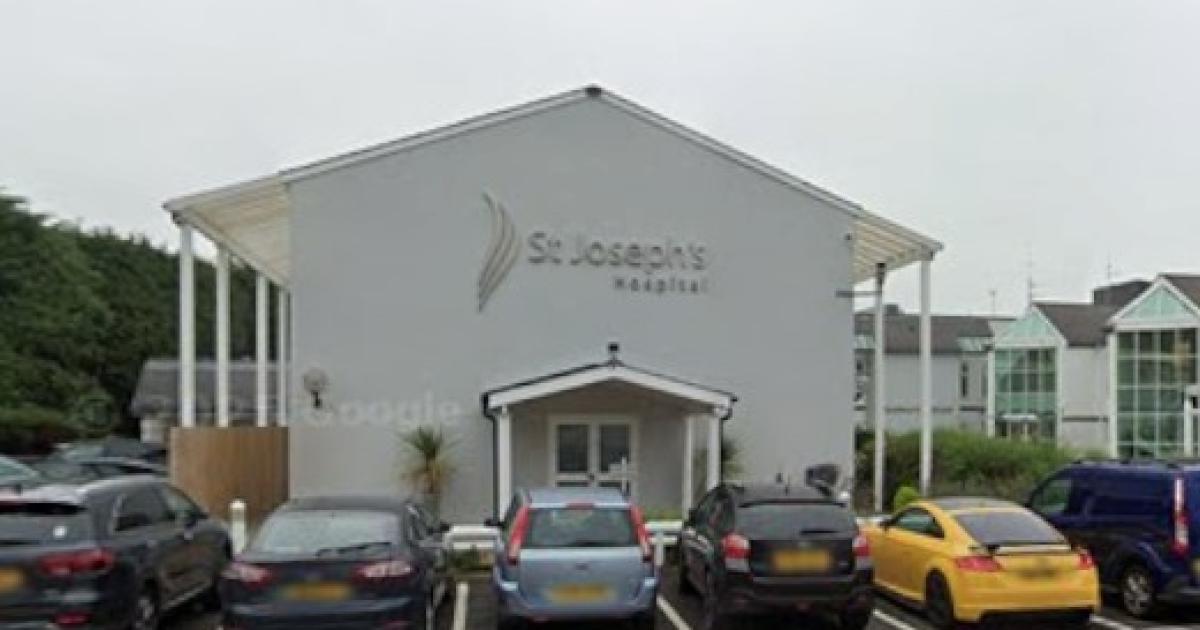
A spokesman for St Joseph’s Hospital in Newport said: “At St Joseph’s Hospital, we work collaboratively with NHS partners where appropriate, helping to provide timely access to treatment for patients while maintaining high standards of care and value for money.
“Our focus is on complementing, not replacing, NHS services – ensuring patients have access to safe, efficient care when they need it, while continuing to respect the vital role of the NHS within our community.
“In St Joseph’s, our highest volume areas for surgical activity are consistent with the PHIN report – cataracts, hips and knees.
“However, we do not deliver chemotherapy services at our hospital whereas in the rest of the UK, this appears to be a growth area.”
Richard Wells, director of technology and insights at PHIN, said: “Private hospital admissions in Wales have increased year-on-year since 2021 and the latest figures continue that trend.
“This shows the importance some patients place on the choice offered by the private sector.
“The total number of admissions represents about 1 per cent of the population in Wales, with the majority of people still being treated by the NHS.”
The most common procedure reported in Wales was cataract surgery, while carpal tunnel release saw the largest percentage increase at 16.9 per cent.
The biggest rise in admissions was among those aged 60 to 69.
PHIN also reported differences in treatment types depending on funding.
Self-pay patients were more likely to seek breast enlargement, spinal decompression and carpal tunnel release.
Those with insurance more commonly underwent diagnostic procedures like hysteroscopies and colonoscopies.
The rise in people turning to private healthcare comes as NHS waiting lists remain high. According to a recent report from Audit Wales, before the pandemic, the target was for all patients to start treatment within 36 weeks. In February 2019, around 13,300 pathway waits exceeded 36 weeks across Wales. By February 2026, that number had risen to around 185,000 — about 14 times higher.
It also said that as of February 2026, orthopaedics, ophthalmology, and general surgery made up just over half of around 106,000 waits of over one year.
The Welsh Government said: “The new Welsh Government is determined to tackle the waiting list backlog to ensure that more people are able access elective treatment via the NHS sooner, rather than having to consider private options.
“To strengthen NHS capacity and cut inherited delays, we are developing a national programme of surgical hubs over the next four years.
“If people are considering undergoing private healthcare, it’s important they research it properly.”