
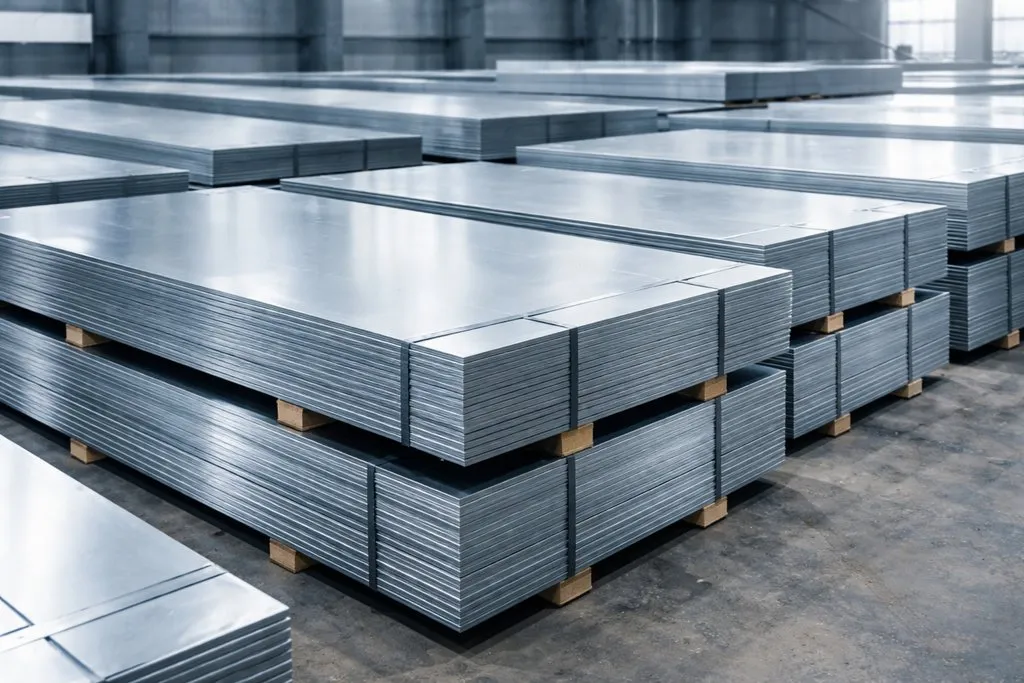
Panic buying has hit the steel market as planned tariff hikes threaten 30,000 jobs and risk derailing housing, industrial and life sciences schemes, according to an internal construction industry briefing.
Construction News understands there is increasing concern at the top of the construction industry that measures promised by ministers to mitigate the impact of quota cuts and tariff rises from 1 July have yet to materialise.
In addition, a 1,500-word analysis of the issues faced by the sector produced by the Construction Leadership Council’s (CLC’s) steel tariffs working group, has been obtained by CN.
It said that “evidence from across the sector confirms that the combined impact of the proposed tariffs and quotas – compounded by ongoing cost pressures from the Iran conflict – presents severe and immediate risks to the UK construction industry”.
The briefing paper said that the proposed tariff measures had already led to cost increases of up to 18 per cent on live projects, with each housing unit up by £4,000.
Rolled open steel sections have risen from £700 per tonne in early 2026 to £950 per tonne in April.
The CLC briefing said that uncertainty around quota availability had triggered “panic buying” behaviour, increasing short-term demand and extending procurement lead times.
“This volatility makes programme certainty increasingly difficult for contractors and clients,” it said.
The quota system causes a “significant risk” of supply shortages of some types of steel because UK mills are already at capacity or do not make certain products, the note said.
These include materials used in HS2 bridges, logistics centres, food warehouses, pharmaceutical facilities, roofing, wall cladding and other specialist building systems.
In many cases, manufacturers cannot get these products from UK suppliers, so they have to import them.
The document warns that the current plans could discourage the use of both British-made and British-fabricated steel, undermining the aims of the government’s steel strategy.
A loophole in the proposed rules could encourage clients to have steel fabricated overseas and then import it tariff-free, cutting demand for UK fabricators, it added.
“The fabricated sector estimates job losses of potentially 30,000 over the next five to seven years should the tariffs and quotas be implemented as currently envisaged,” it said.
The briefing also warns that the UK Steel Strategy could have wider long-term effects by raising prices due to reduced competition.
This could make project costs less predictable, forcing less efficient designs and encouraging clients to switch from steel to other materials such as concrete.
The briefing recommends that fabricated steelwork should be brought into the quota system from 1 July 2026, or at least be put under urgent review. It also calls for product categories to be revised so tariffs do not push up prices for steel products that are not made in the UK.
The group wants the first review of the system brought forward from 12 months to six months and for public procurement rules to be strengthened to cover more publicly funded projects.
“A balanced approach is essential, one that safeguards the future of UK steelmaking – both British-made and British-fabricated steel – and without unintentionally undermining the construction sector that depends on it,” the note said.
A statement from the Department for Business and Trade said: “Our steel trade measure aims to strike the right balance between protecting domestic production and maintaining a secure supply.
“We want a thriving steel sector and we also recognise how essential steel imports are for UK industry, including construction given its importance to our critical national infrastructure and building homes.
“Ministers are working closely with the CLC to understand its concerns.”