
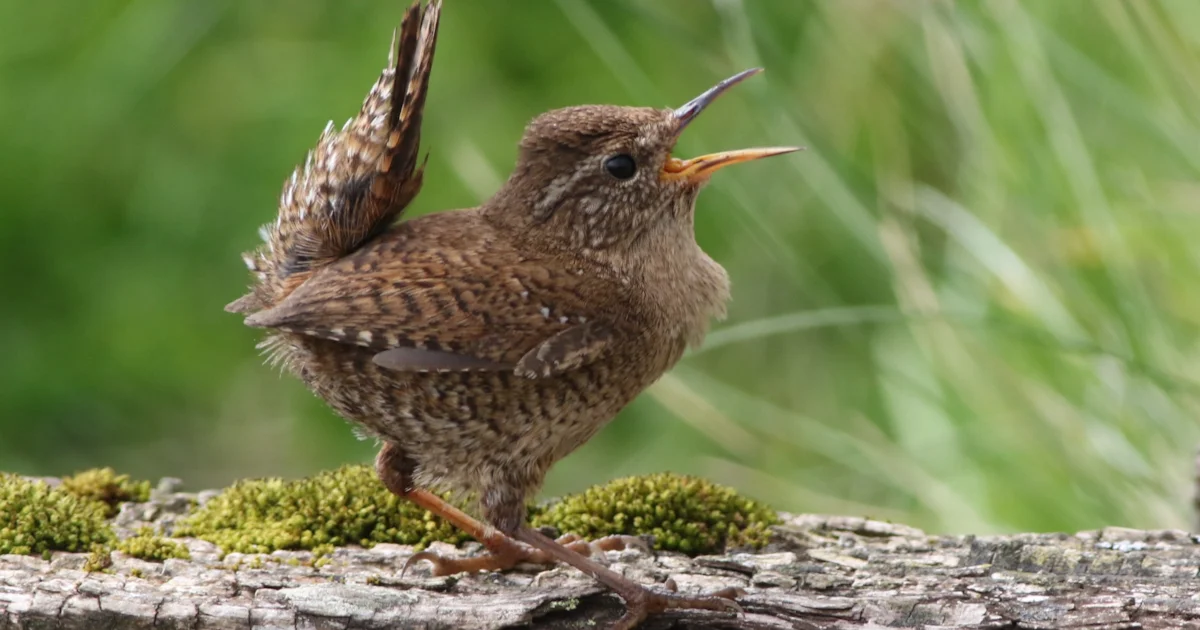
A study of Shetland’s unique Eurasian Wren population has uncovered new evidence showing how isolation on remote islands repeatedly drove the evolution of larger body size.
The research, published in Evolutionary Journal of the Linnean Society, examined the evolution of Shetland Wren, a well-known subspecies of Eurasian Wren found across Shetland. Researchers investigated how body size changed following colonisation of the islands after the last Ice Age.
Island gigantism – where animals evolve larger sizes in isolated environments – is widely documented in mammals and reptiles, but has been less extensively studied in small passerines. The new research suggests the process occurred repeatedly among wren populations occupying different islands within Shetland.
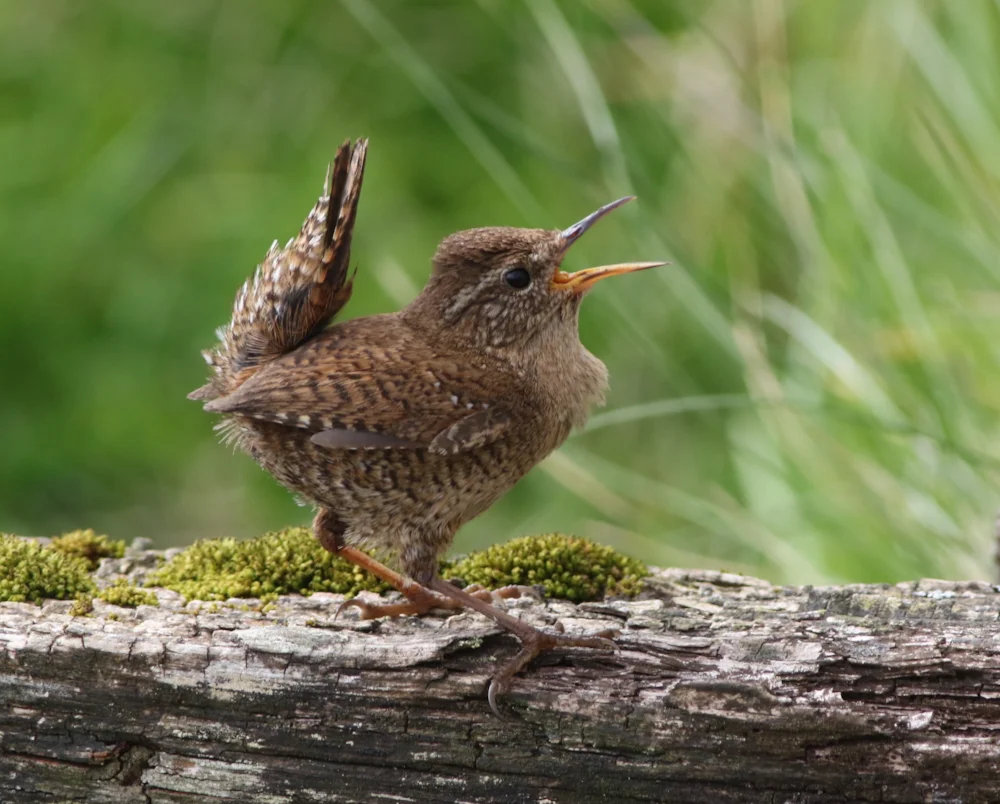
Shetland Wrens have evolved larger bodies after centuries of island isolation, a new study has found (Sean O’hara).
Northern adaptations
Using skeletal measurements from modern and historical specimens, alongside genetic and environmental data, the researchers found that Shetland Wrens consistently evolved larger bodies than mainland Eurasian Wrens. The study also indicated that these changes occurred multiple times independently across the island system.
Researchers believe reduced predation pressure, colder climatic conditions and ecological differences on the islands may all have contributed to the increase in body size. Being bigger may provide advantages in harsher northern environments by improving energy retention and winter survival.
Shetland Wren is already recognised for its darker plumage, stronger barring and distinctive vocalisations compared with mainland birds.
Island life
The authors said the findings highlight how rapidly isolated populations can diverge from mainland relatives, even across relatively small geographic distances.
The study also highlights the importance of island ecosystems as natural laboratories for understanding evolution, adaptation and the long-term impacts of environmental isolation on bird populations.
Reference
Jezierski, M T, et al. 2026. Parallel evolution of island syndromes coincides with limited parallel genetic differentiation in a passerine bird. Evolutionary Journal of the Linnean Society. DOI: https://doi.org/10.1093/evolinnean/kzag008