
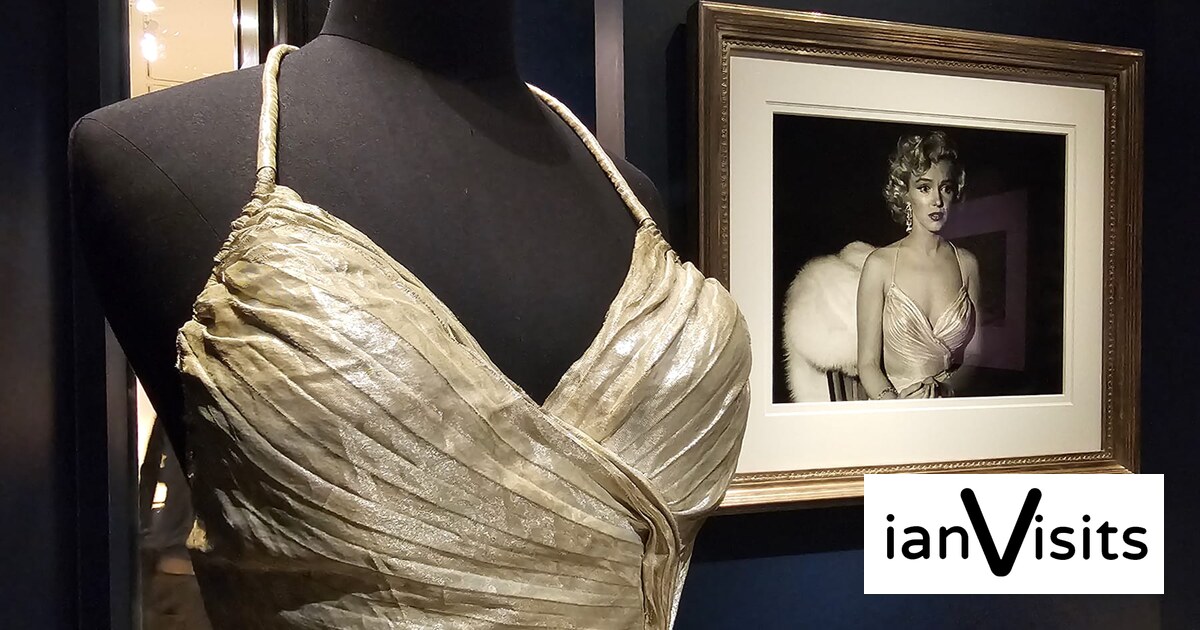
There are nearly 300 Marilyn Monroes in the National Portrait Gallery at the moment as they put on a centenary exhibition about the woman whose image was fixed by an untimely death.
The exhibition opens with two images, one instantly recognisable as an Andy Warhol print, but opposite something small and easy to overlook – an early, untouched photo of a young lady. That’s the Norma Jeane who would become Marilyn Monroe.
Then there’s room after room of Marilyn. A smorgasbord of Marylins posing, lounging, in swimwear, and other less revealing clothing, in colour and in monochrome. It’s a feast of Marilyn for the fans.

That does’ slightly dent it as an exhibition, as so many of the photos were taken by professional photographers and are set pieces, so you rarely get to see past the glamour to the Norma Jeane underneath. But of course, the entire point of Marilyn Monroe is the glamour, and there’s a sense that the curtain shouldn’t be pulled back too much to reveal the person within.

The exhibition does look at the darker side, her death, and how other people reacted to it. Curiously reminiscent of an older time when a major news story would not just be plastered on the front pages of newspapers, but everyone would be seeing those headlines all around them as people sat on trains and in parks, reading their newspapers, holding up those front covers as a collective image of the day.
It’s a shared urban landscape we will never experience today with news being shared singularly on phones.

As an exhibition, it’s a huge collection of photos of one very famous person, and the main texts on display are about the photographer who took them.
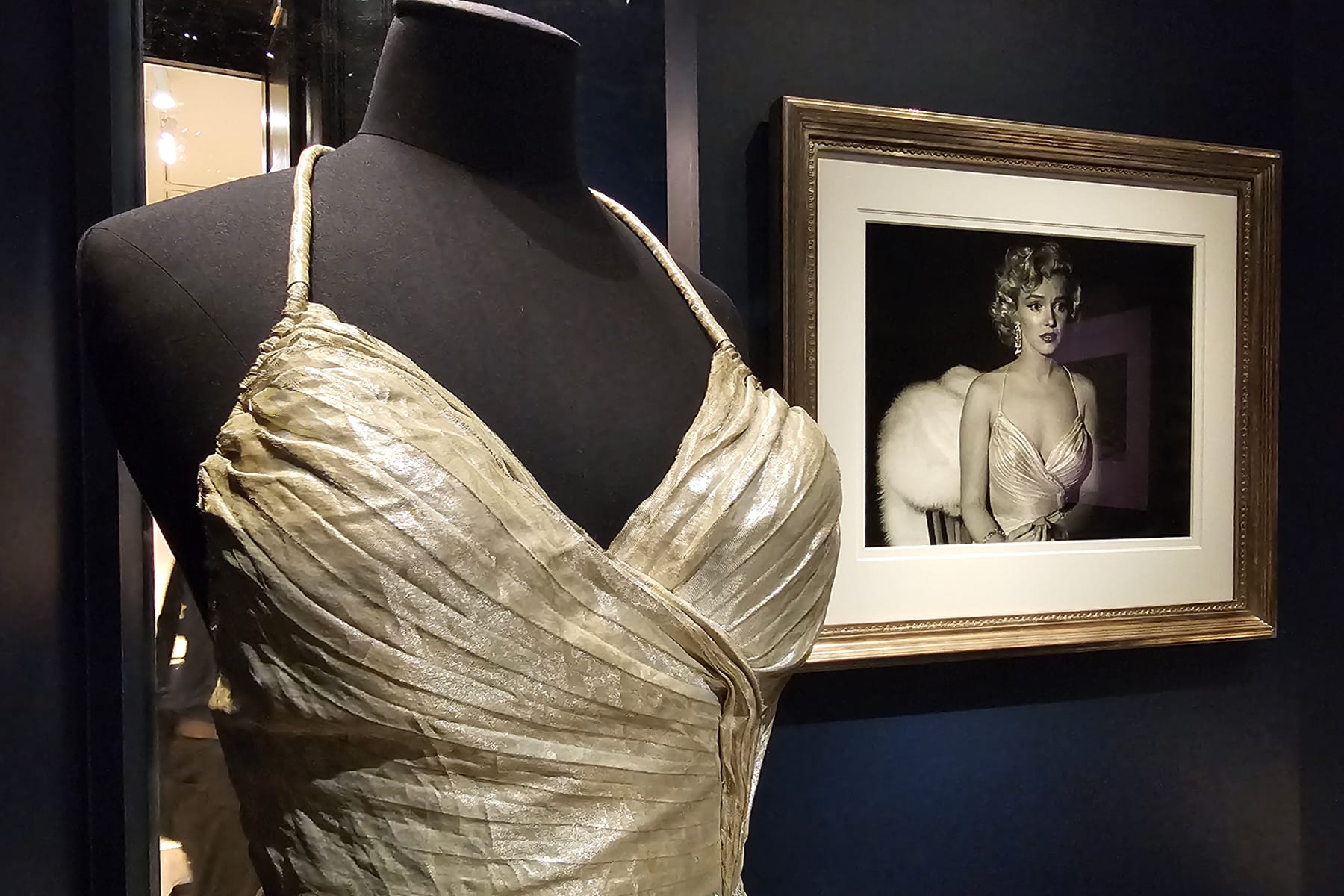
But of course, there’s that iconic photo – the one with the dress. But much more interesting is the photo taken a bit further back, of the people all around her watching the moment. What many of us probably assumed was a closed film set with just a few people around was a public spectacle, and so much so that they had to rerecord the sound again in private to drown out the crowds.

In a way, what the exhibition left me wondering is the great unknown – what if she had lived? Our image of her is that of a young sultry actress more famous for looks than skills. But many lauded actresses today went through a youthful phase as they built up their skills. Could Marilyn Monroe have gone on to become a much-admired actress, for whom the decade or so of early life is almost forgotten, buried under awards for the great work done later?
A mystery that will never be solved – and we’re left with the young woman fixed in our memories forever.
The exhibition, Marilyn Monroe: A Portrait, is at the National Portrait Gallery until September 2026.
Standard Ticket: £27
Concessions: £24.30
National Art Pass: £13.50
Income Support Or Named Benefits: £13.50
Aged 12-15: £5
Aged Under 12: Free
Strongly recommend booking tickets in advance as they’re selling out – details here.