
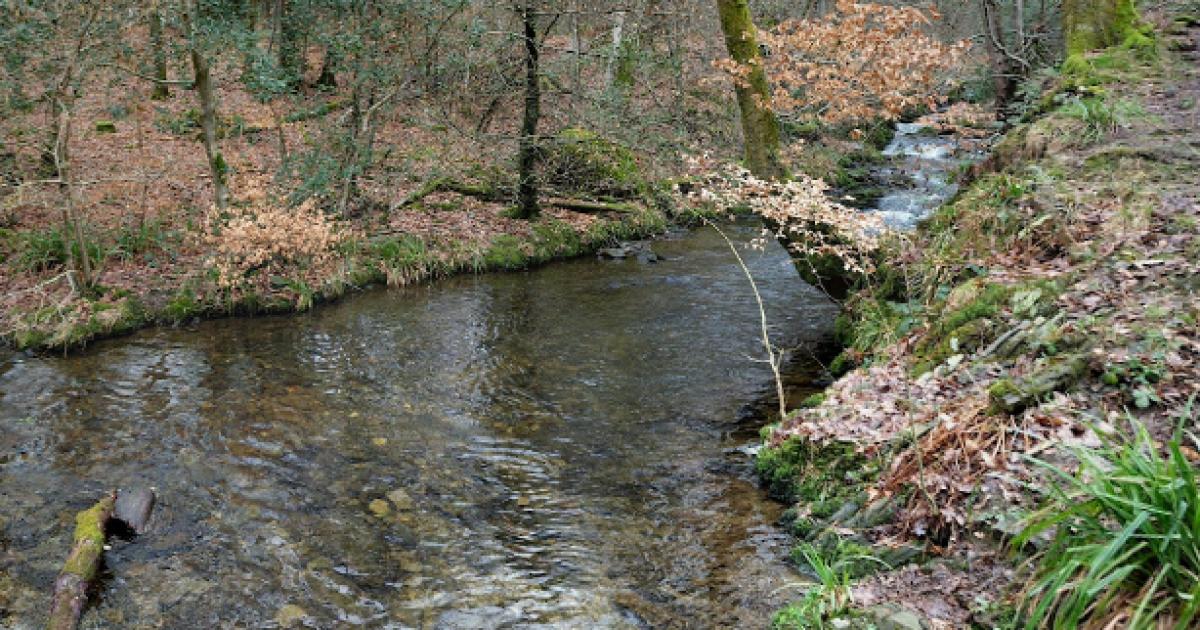
Mill Beck in Windermere has been subject to water testing between 2024 and 2025 as part of a project delivered by Windermere and Bowness Town Council.
The report was published this week, with it determined that there is ‘an as yet unidentified source of faecal pollution’ impacting water quality.
A spokesperson said: “Over the summer of 2024, the town council carried out weekly Citizen Scientist water testing in Mill Beck.
“The information gathered combined with data collected by the Environment Agency show evidence of significant pollution in the stream, likely to be entering the beck within the urban section of the watercourse.
“The testing was continued for the 2025 season and the Environment Agency carried out their own testing – a combined report has been published indicating the likelihood of an as yet unidentified source of faecal pollution impacting the water of Mill Beck, and parents are advised that children should not play in the water.”
The Environment Agency tested 10 sites along the river catchment on a monthly basis in 2025, with the town council conducting its own tests as well (Image: Windermere and Bowness Town Council)
The testing has now continued for a third season with a focus on where the river first reaches the town, with previous results said to indicate that the issue is ‘not caused by farm run-off or septic tanks’.
The project dates back to a parish meeting in 2023 when the town council set up a Lake Water Quality Advisory Group in response to residents’ concerns.
Whilst the presence of E.coli and Intestinal Enterococcus in 2024 and 2025 is ‘not necessarily harmful’ on its own, high levels of either suggest that there had been recent faecal contamination of the water.
The results from E.coli testing in 2025 by the EA, which shows a key spike in May at Site I – where the rivers goes under the A5074 at Baddeley Clock Gardens (Image: Windermere and Bowness Town Council)
Running through the 2025 conclusions, the town council spokesperson explained: “The areas affected are in the parts of the town near Queen’s Park where children and animals play and flowing into the lake near the Jetty Museum, where open water swimmers often go for a morning dip.
“Most bacteriological testing was undertaken at low water levels due to the dry weather. This suggests a steady input from an urban source.
“These results have been shared with the Environment Agency and the town council is asking for answers as to what the authorities are doing to stop this significant source of pollution both impacting a well loved local watercourse and flowing into Windermere and adding to the issues around water quality there.”
The full report can be viewed at www.windermere-tc.gov.uk/the-council/projects/.