
To the extent our culture considers pacing, it often gets framed as an all-or-nothing pursuit. At school, at work, and online, we’re confronted with “give 110%” messaging that glorifies hustle — and if we reject that or want to dial back, we’re fed equally extreme advice to “quiet quit” or take pricey yoga retreats.
Neither hustle nor sustained withdrawal, however, is all that workable or fulfilling in the long run. That’s why, while writing my book The Art of Pacing, I thought a lot about how to navigate the middle of the pacing spectrum, that under-heralded zone that’s more conducive to thriving than the extreme ends.
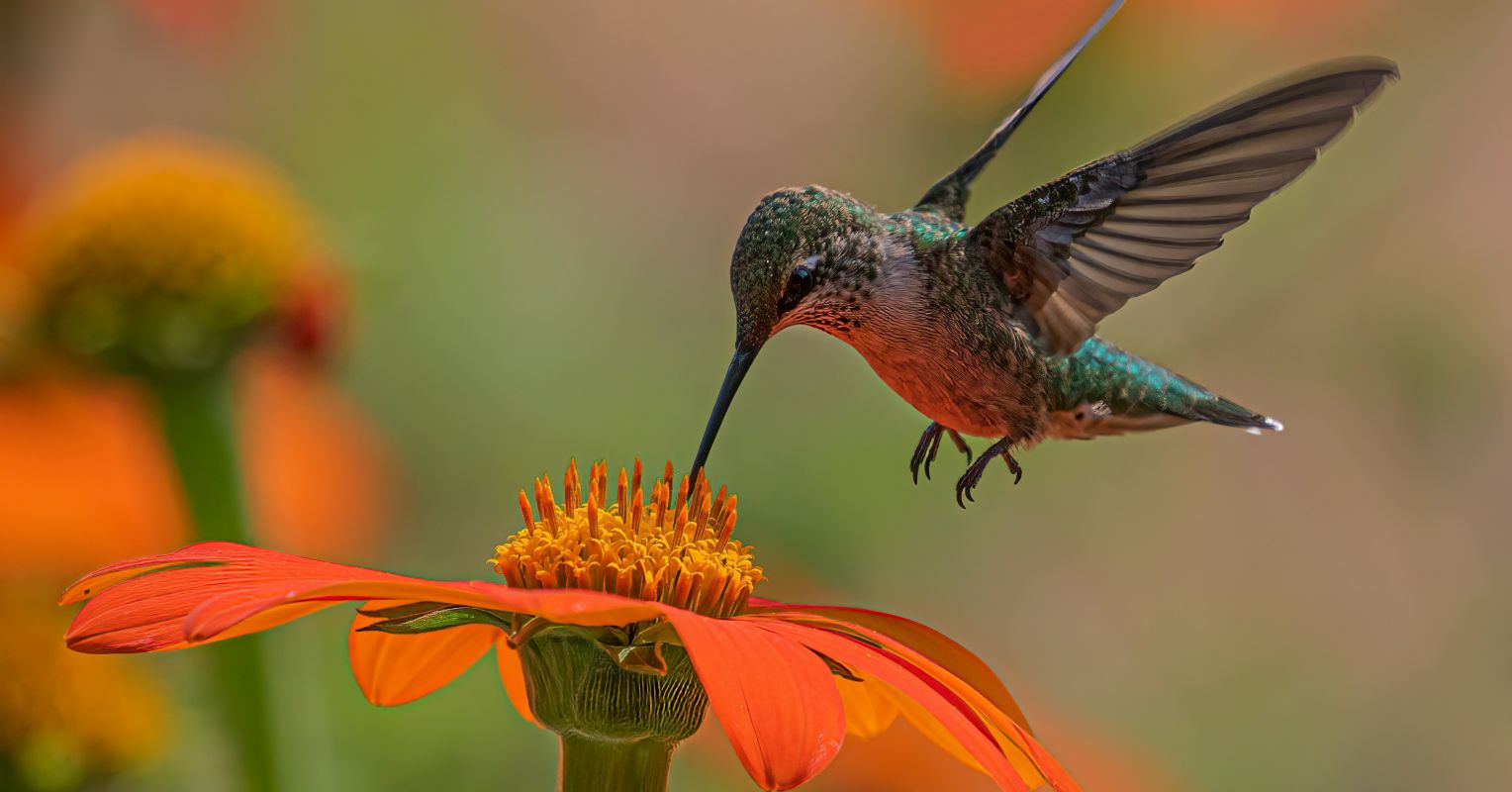
One reliable way into that zone is mindfulness, but not necessarily the expensive, long-weekend-retreat kind. At times, skillful pacing calls for a nimbler kind of focus, like that of a hummingbird hovering for a few moments before swooping to the next perch.
If you can swing them, extended retreats are a great way to pace yourself. But on a day-to-day basis, the architecture of my life isn’t all that compatible with absolute or prolonged withdrawal. I work with a rotating stable of clients and have two school-age kids. I live what Hindu practitioners call “the life of the householder,” with all the chaos, drudgery, and interruptions that implies.
All of this meant I was eager to meet the psychiatrist and researcher Joseph Arpaia. Arpaia has practiced Buddhist meditation for decades, but he’s also a skilled practitioner of the hummingbird kind of mindfulness. And despite his meditation expertise, he somehow helped me not to feel so bad about being a subpar meditator.
Once Arpaia understood that I was looking for the frozen-juice concentrate version of mindfulness, he taught me how to make the most of my own suspended-hummingbird moments. He demonstrated a practice I now call modulation, which involves breathing at an individualized pace that research shows calms your central nervous system. (Most people’s “resonance breathing,” or modulation pace, is between 4 and 6 breaths per minute; you can find your own ideal pace by experimenting with paced breathing videos in that range to see what speed feels most comfortable.)
A range of studies attest to modulation’s calming powers. In a 2025 study of people with anxiety, those who practiced this kind of paced breathing had higher heart rate variability than members of a control group, showing that their nervous systems were becoming more relaxed. Other research points to the biology behind these effects. People doing modulation in a 2026 Rutgers brain study had more connections between brain areas governing nervous system control and emotion regulation, hinting that they were actively tamping down their arousal levels.
When I was at Arpaia’s office, he had me breathe at my ideal modulation pace for about five minutes while I wore a finger-clip heart rate monitor. Afterward, he studied my heartbeat tracings on his display screen — and pointed out that my brief modulation stint had changed my heart rate pattern more drastically than an IV tranquilizer drug!
That moment felt like a breakthrough. As someone who’s tightly wound by nature, I’ve tried my share of anxiety meds that leave me too groggy to function. With modulation, I had more direct control: I could spin down my nervous system to just the degree I wanted, based on how many minutes I continued paced breathing.
Though I now practice modulation nearly every day, I can’t say I’ve completely mastered it. Where I run into trouble is that I find the practice hardest to initiate when I need it most. When I’m feeling especially spun-up about a rejection, a personal drama, or a devastating global event, it becomes harder to believe that something as simple as modulation will make a difference.
Mindfulness Essential Reads
But when I persist, making a hummingbird-scale leap of faith, the spin-down starts to happen, usually within just a few minutes. And when it does, I’m better able to make big-picture decisions that help me keep a sustainable pace in the long run.
Copyright Elizabeth Svoboda. A version of this article also appeared in my newsletter The Art of Pacing.