
US President Donald Trump said a peace deal with Iran was signed on Wednesday, and should lead to the reopening of the Strait of Hormuz.
Oil prices have dropped close to their lowest since the conflict began as traders forecast the return of free-flowing ships through the vital waterway, which normally carries a fifth of the world’s oil and gas supplies.
Analysts believe the deal could slow energy and fuel price rises, making the worst case scenarios for inflation unlikely.
However, analysts said price rises were still expected to accelerate in the UK, given the delayed impact of higher wholesale energy prices on domestic gas and electricity prices.
Millions of UK households’ energy bills are governed by regulator Ofgem’s price cap, which will increase by 13% in July.
“UK inflation is expected to increase over the summer after the next Ofgem price cap in July, when we will likely arrive at peak inflation, so for now [inflation] data looks like the calm before the storm,” said Victoria Scholar, head of investment for Interactive Investor.
Some analysts predict no further rises in the benchmark rate for the rest of the year, although the situation remains highly uncertain.
Last week, the European Central Bank opted to increase its interest rate for the first time in almost three years, noting that the conflict was “generating inflation pressures”.
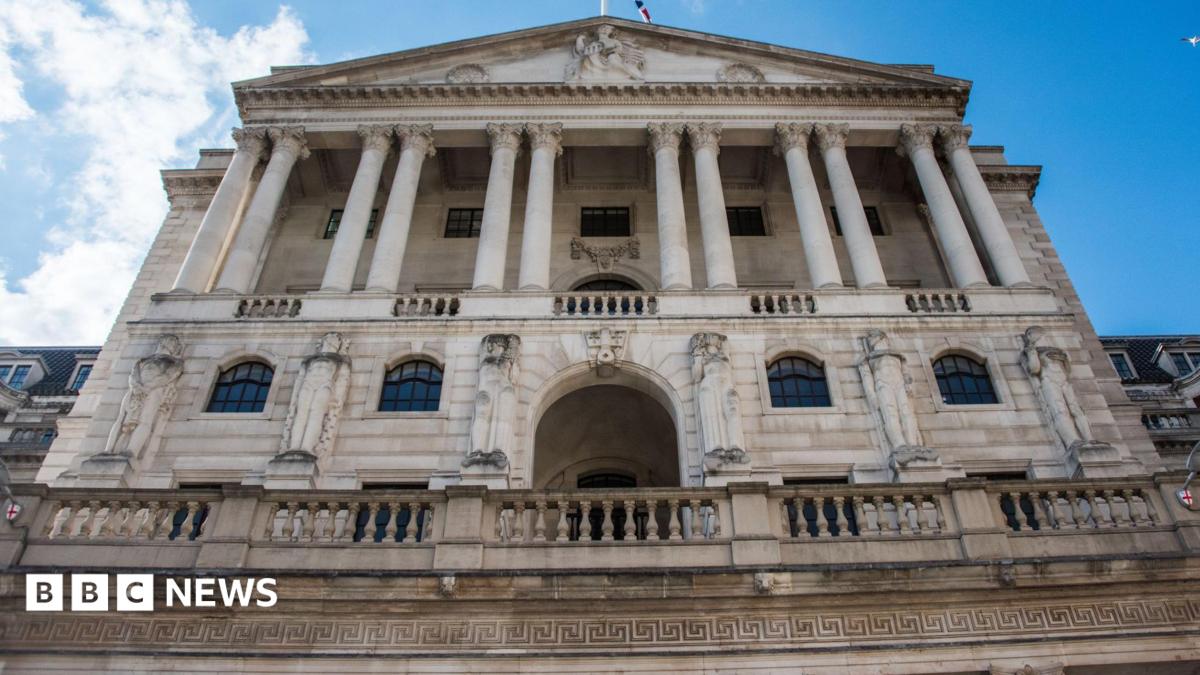
The BoE’s base rate is what it charges other banks and building societies to borrow money, which influences what they charge their own customers for mortgages as well as the interest rate they pay on savings.
As of 17 June, the average rate on a new two-year fixed mortgage deal was 5.60%, up from 4.83% at the start of March when the Iran war began, according to the financial information service Moneyfacts.
For those looking for a five-year deal, the average rate was 5.57%, up from 4.95% over the same period.