
Things Are Getting Worse
We’re experiencing a Super El Niño at the moment, with dramatic demonstrations every day of the increasing frequency and intensity of extreme weather events. I’m deeply sad that my grandchildren may not get to enjoy the beautiful summer days I’ve taken for granted all my life, days when the air was fresh and healthy—not dangerously polluted with smoke and chemicals—and the temperature was warm enough to enjoy a walk in nature or a swim in the lake, but not sweltering.
But clean air and pleasant temperatures are not the only costs of climate change. Half of the world’s children are at extremely high risk from climate change. The threats are big and include increases in the rates of preterm birth and low birthweight; a shifting spread of diseases like malaria, dengue fever, and Zika virus; disruptions to safe water access and food security; increasing child morbidity and mortality; and climate-related conflict.
Climate change is exacerbating local and global inequalities and resulting in intergenerational injustice. Parents everywhere are increasingly challenged to provide their children with safe housing, clean air and water, nutritious meals, healthy communities, and responsive care.
Climate Change Harms Children
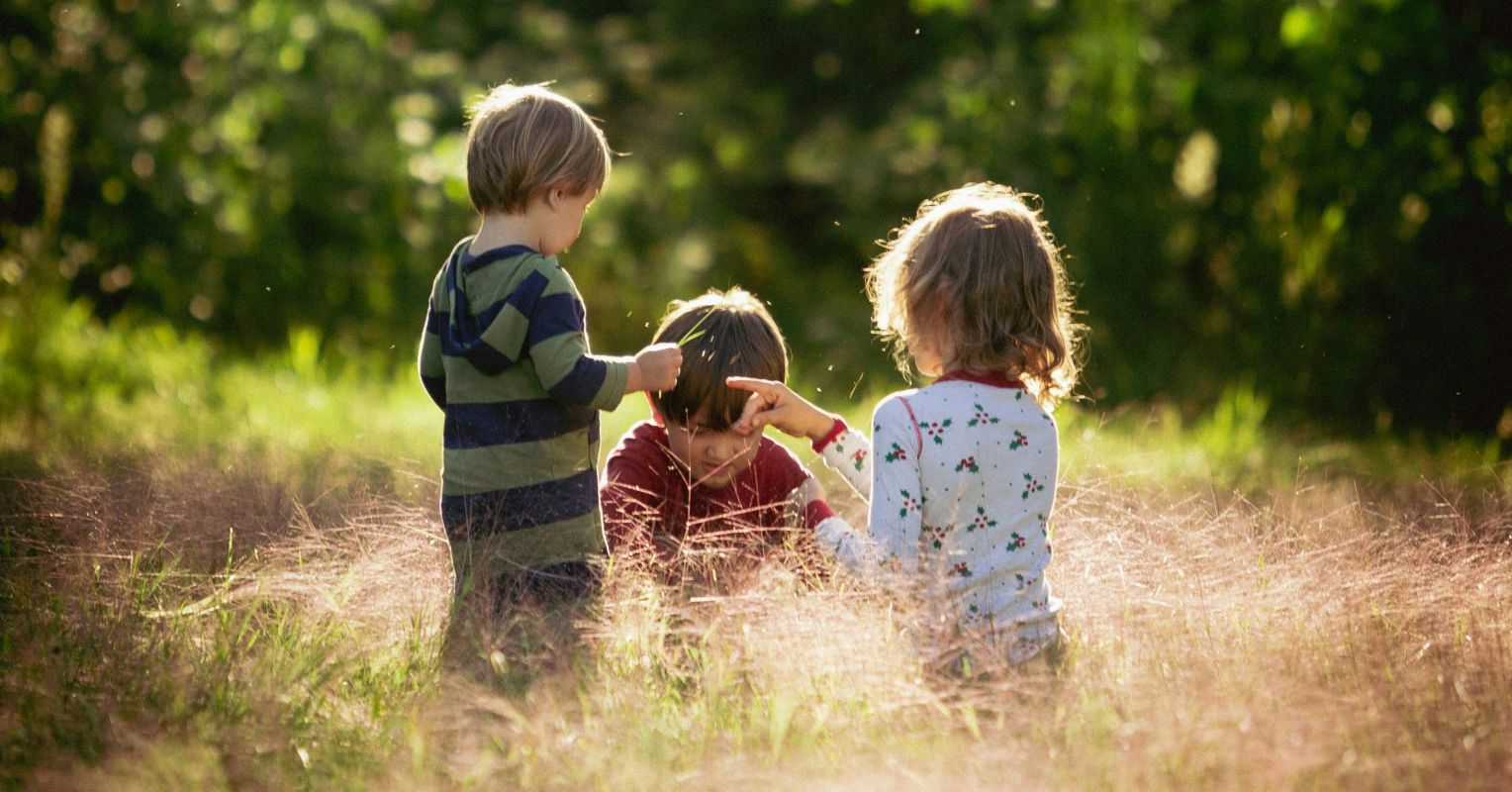
Young people are deeply affected by climate change, but they’re often missing when experts talk about it. Harvard’s Center on the Developing Child recently published a report on kids and climate change, in which they recommended that communications about climate change should always include children, both as present-day victims and as at risk in their development. Special attention needs to be paid to children in marginalized groups, whose families’ and communities’ resources are already strained.
The Harvard report also recommended paying more attention to the indirect effects of climate change on children’s development. These indirect effects include the fact that parents are less able to provide care, security, and stability when their homes are under threat, and that teachers, doctors, and other adults in the community are less able to provide the reliable care that children need.
Kids Want to Be Part of the Solution
We should pay attention to the ways that climate change harms children, and we should also listen to their concerns and ideas. In a recent study of the research on climate change and children’s well-being, the authors observed that “few syntheses on climate change and child well-being have engaged children or young people themselves in discussing results and recommendations.”
Experts from the Institute for Global Health at the University of London, Yale University, and other elite institutions in England, Europe, and the U.S. established a youth advisory board to consider their findings. This board of young people had several recommendations for driving climate action while protecting children’s well-being. They emphasized the importance of schools, social media, and intergenerational dialogue.
Young People’s Priorities for Climate Research and Action
The youth advisory board identified these four priorities as most urgent:
Impacts of climate change on socioeconomic distress, migration, and mental health
Knowledge, skills, and infrastructure for mitigation and adaptation
Social media as both a source of anxiety and a resource for climate activism
Mechanisms to foster intergenerational dialogue for climate action and policy-making
Listening to young people reminds us that climate change is an existential threat for them and that they have some good ideas about how to address it. Too many adults argue that other priorities are more urgent, that global warming is a ball that can be kicked down the road a bit farther. But kids are increasingly anxious about the damage that’s happening to their Earth right now and worried about their quality of life going forward.
Environment Essential Reads
Be Positive. Be Creative. Emphasize Solutions.
The youth advisory board members are worried about the increasing levels of climate-related anxiety in their peers. As an antidote to this, they called for “participatory, interdisciplinary, creative, and affect-driven approaches,” stressing the value of positive, solution-focused social connections at school and online.
The most frequently mentioned climate change solutions involve going green individually or implementing innovative technology, both of which can be effective. Young people can also be encouraged to identify problems in their communities and engage in co-operative problem-solving activities, including investigating causes of environmental degradation, taking collective action, and becoming politically active.
Empower the Kids to Heal Their Planet
I want to leave today’s children and tomorrow’s adults a world they can enjoy, where the air is clean, the food is healthy, and they can thrive. That means ensuring they have the tools they need to participate meaningfully in climate action today.
We need to listen to the kids and welcome their creative suggestions for saving the planet. They have to be full participants in restoring our Earth to health.