
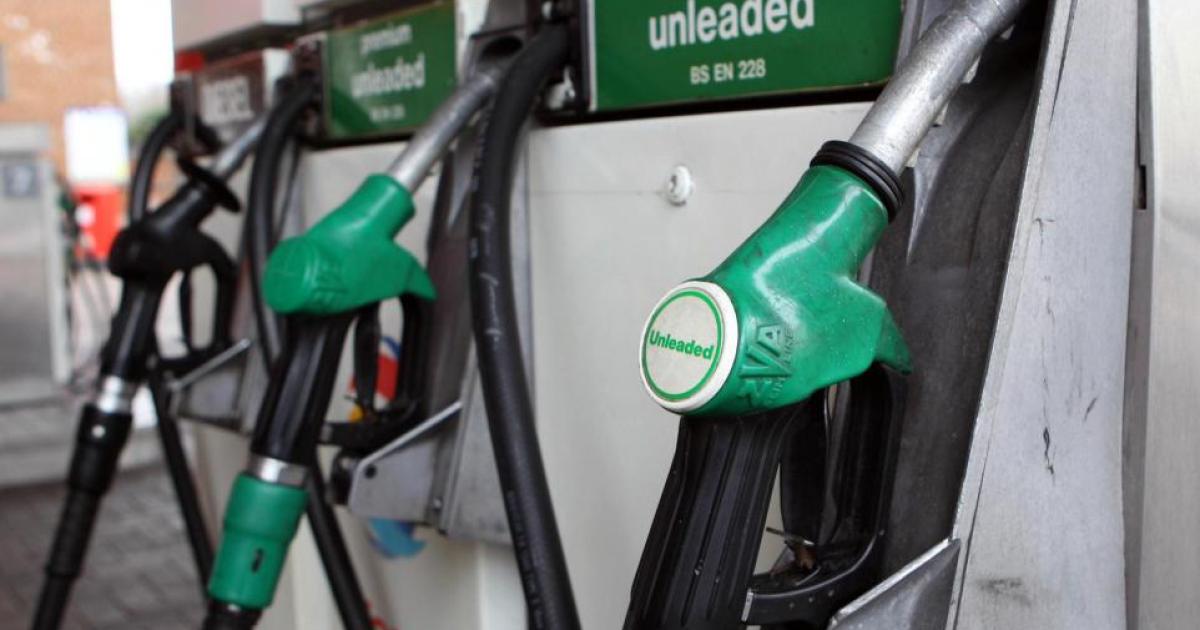
Experts say cars typically use more fuel in very hot weather because motorists are more likely to rely heavily on air conditioning and drive with windows open, both of which can reduce fuel economy and drain tanks faster than usual.
In Oxfordshire, temperatures are expected to climb into the mid-to-high 20s this weekend as the hot spell returns.
Forecasters are predicting sunny conditions and highs of around 25°C in Oxford on Saturday, June 20, with similar warmth and strong sunshine on Sunday.
READ MORE: Oxford to be hotter than Barcelona next week in heatwave
The Met Office has warned that heatwave thresholds could be met in parts of southern England over the coming days, with very warm and humid conditions for many.
Motoring experts say many drivers may not realise that hotter conditions can have a noticeable impact on how quickly their fuel tanks empty.
During warm spells, it is common for drivers to crank up the air conditioning or open windows at higher speeds, both of which increase drag or place extra load on the engine and cause fuel to be burned more quickly.
On top of that, recent rises in fuel prices mean motorists will want to avoid wasting a drop.
Average petrol prices have been significantly higher than in previous years after global tensions and supply issues pushed up costs, with diesel remaining particularly expensive at many forecourts.
READ MORE: Waitrose issues shopper notice after controversial change
The US Department of Energy says that while hot weather can, in theory, help engines reach their most efficient operating temperature more quickly, driver comfort habits tend to overwhelm those gains.
The agency explains: “Hot weather can increase fuel economy – the engine warms up to an efficient temperature faster; summer grades of gasoline can have slightly more energy; and warm air causes less aerodynamic drag than cold air.
“However, keeping comfortable in hot weather by rolling down the windows or using the air conditioning (A/C) can reduce fuel economy.
“Running the vehicle’s air conditioning is the main contributor to reduced fuel economy in hot weather.
“Its effect depends on a number of factors, such as the outside temperature, humidity, and intensity of the sun.
READ MORE: Flights cancelled and staff made redundant as 10 travel firms collapse
“Under very hot conditions, A/C use can reduce a conventional vehicle’s fuel economy by more than 25 per cent, particularly on short trips.
“The A/C’s effect on hybrids, plug-in hybrids, and electric vehicles (EVs) can be even larger on a percentage basis.”
Driving school firm PassMeFast.co.uk has also urged motorists not to leave it until the last minute to refuel when the mercury rises.
Experts at the company explain: “When it comes to topping up the petrol in your car, there are two kinds of people: those who refill as soon as the fuel tank gets to around 1/4 full, and those who are happy to drive around with the fuel warning light on.
“The thing is, when the weather’s nice and warm, your car’s fuel levels drop a lot quicker than usual.
READ MORE: Top Gear star James May FAILS driving test says instructor
“This means you can’t rely on your normal estimations of how much time you have left before needing to fill up.
“To avoid getting stuck in the middle of nowhere, or at the centre of a traffic jam on a hot day (both nightmare scenarios), make sure you head to the petrol station in good time. Playing it close to the line is just not worth it if the sun’s out!”
Previous viral claims that filling up a car in hot weather could cause it to explode have been firmly debunked by motoring bodies.
Rod Dennis, RAC spokesperson, said: “There is no truth in this.
“All fuel systems on passenger vehicles are designed to cope with any expansion of fuel or vapour coming from the fuel.
READ MORE: Major UK restaurant chain rescued from £37m debt administration
“There is no risk of explosion from filling up a fuel tank fully, and drivers should have no concerns in doing so.”
Fuel economy specialists say there is a temperature “sweet spot” for efficient driving and that neither extreme heat nor the depths of winter are ideal.
According to Fuel Finder UK, efficiency is generally best between about 15°C and 20°C, while both very cold and very hot conditions can knock several percentage points off a car’s usual performance.