
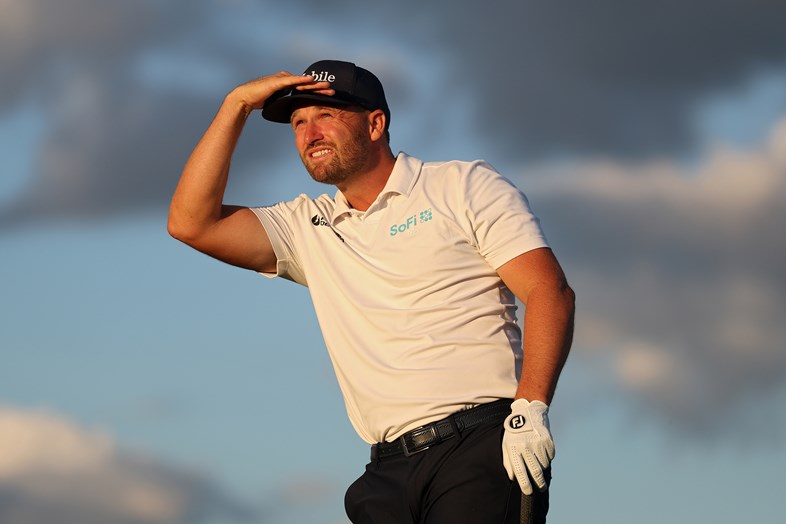
Six shots should be enough. US Open history suggests otherwise. As Wyndham Clark closes in on a second title, past champions have shown that no lead is truly safe.
Wyndham Clark will take a huge lead into the final round at Shinnecock Hills as he bids for a second US Open title in three years. The American holds a six-shot advantage after a level par 70 on a grueling round on moving day. Only an uncharacteristic miss with his new putter on the final hole denied the 32-year-old a seven-shot advantage.
If Clark gets the job done on Sunday, he will become the first player in Shinnecock’s US Open history to convert a halfway lead into victory at the famous Long Island venue. He’d also take home $4.5m.
Clark become just the ninth wire-to-wire winner in championship history and the first since Martin Kaymer’s dominant triumph at Pinehurst in 2014. Before Kaymer, only Walter Hagen (1914), Jim Barnes (1921), Ben Hogan (1953), Tony Jacklin (1970), Tiger Woods (2000 and 2002) and Rory McIlroy (2011) had led after every round on their way to lifting the trophy.
But Clark won’t be counting his chickens just yet because US Open history suggests no 54-hole lead is safe… and that late missed putt could prove crucial.
The biggest 54-hole comebacks in US Open history
Arnold Palmer famously overturned a seven-shot deficit to claim his only US Open title in 1960. Beginning the final round tied for 15th at Cherry Hills, Palmer stormed through the field with a closing 65, birdieing six of his first seven holes before beating amateur Jack Nicklaus by two shots.
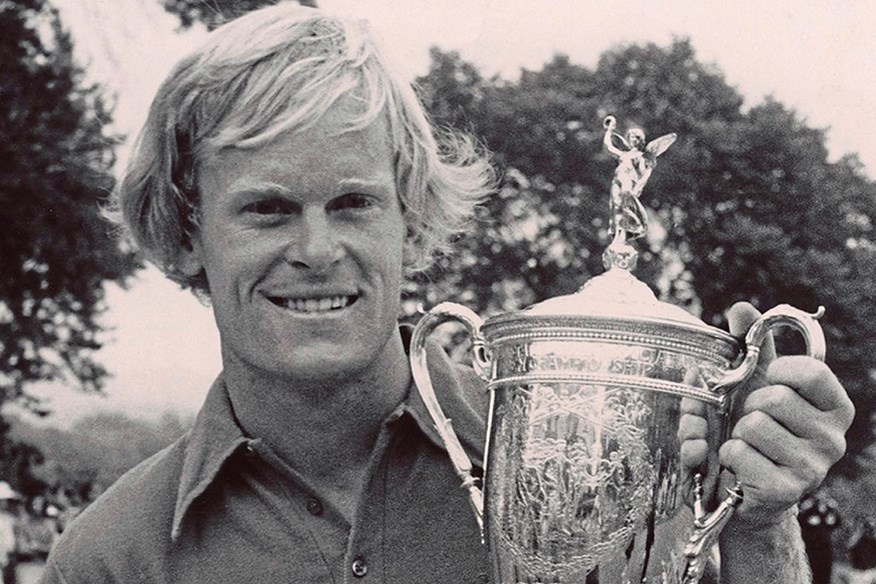
Only one man has come from six behind after 54 holes. Johnny Miller (below) produced arguably the greatest final round in major championship history at Oakmont in 1973, firing the first 63 ever recorded in a major to surge from tied 13th to victory.
Four champions have recovered from five strokes adrift heading into Sunday. Walter Hagen did it in 1919, eventually defeating Mike Brady in a playoff after the pair finished level. Johnny Farrell wiped out a five-shot gap to catch Bobby Jones in 1928 before winning a 36-hole playoff, while Byron Nelson came from the same position in 1939 and required two playoff rounds to secure his only US Open crown.
The most recent five-shot comeback came at Olympic Club in 1998. Payne Stewart appeared destined for a second title, only for Lee Janzen to close with a two-under 68 while Stewart stumbled to a 74. Janzen prevailed by a single stroke, with Stewart gaining redemption 12 months later at Pinehurst.
Another eight players have overturned four-shot deficits after 54 holes. Gene Sarazen (1922), Tony Manero (1936), Ralph Guldahl (1938), Lee Trevino (1971), Lou Graham (1975), Hale Irwin (1990), Michael Campbell (2005) and Angel Cabrera (2007) all started Sunday four back before lifting the trophy.
Will the pressure tell?
Clark will also have to contend with the small matter of playing alongside the World No.1 in the final group in the final round. Scottie Scheffler was one of only two players to break par on moving day (69, -1), joining Emiliano Grillo (67, -3), and the four-time major champion will be unfazed by the challenge.
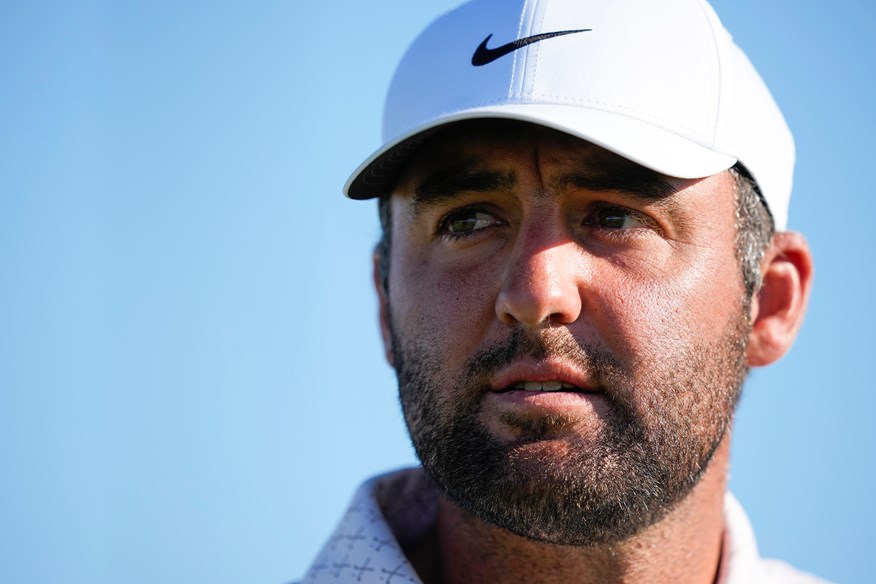
Victory would not only complete the Career Grand Slam but would come on Scheffler’s 30th birthday and with his two children watching on Father’s Day.
And if history has taught us anything, big leads can disappear remarkably quickly on a US Open Sunday.