

Fibremaxxing. It is the latest viral wellness trend that I, as a dietitian, am extremely happy to get behind.
The problem? Most Australians are nowhere near hitting their daily fibre targets.
The good news is that boosting your fibre intake does not require a complete diet overhaul. In fact, a few simple tweaks can make a surprisingly big difference.
Including eating more raspberries.
Why fibre matters
Fibre is the part of plant foods that is not fully digested by the body. Fruits, vegetables, wholegrains, nuts, seeds and legumes are some of the best natural sources.
While best known for keeping you regular, fibre does much more than support bowel health. It can help slow digestion, stabilise blood glucose levels and keep you feeling fuller for longer.
Some types also help lower cholesterol levels, while others feed the beneficial bacteria living in your gut. Not surprisingly, diets rich in fibre have been linked to a lower risk of type 2 diabetes, heart disease, and bowel cancer.
How much fibre do we need?
Current Australian recommendations suggest healthy adults should aim for around 25g of fibre per day for women and 30g per day for men.
For chronic disease prevention, experts suggest aiming even higher, with targets of 28g per day for women and 38g per day for men.
RELATED: Dietitian reveals the foods to increase when you hit perimenopause >
10 easy hacks to up your fibre game
1. Eat two pieces of fruit a day
An average piece of fruit provides around 3-5g of fibre. Surprising as it is, raspberries are actually among the richest sources, delivering around 8g per cup. Pears and apples with the skin intact provide approximately 4-5g each, while oranges and bananas offer around 3g.
By simply eating two serves of fruit each day, you can easily knock off a third of your daily fibre needs.

2. Increase your vegetable intake
Less than 7% of Australians eat the recommended 5 serves of vegetables each day, so there is plenty of room for improvement.
Aim to fill at least half your plate with vegetables at lunch and dinner. For a fibre boost, include options such as green peas, broccoli, carrot and pumpkin, which generally provide around 3-6g per cooked cup. If you are feeling adventurous, artichokes can provide close to 10g per cup.
3. Don’t peel your produce
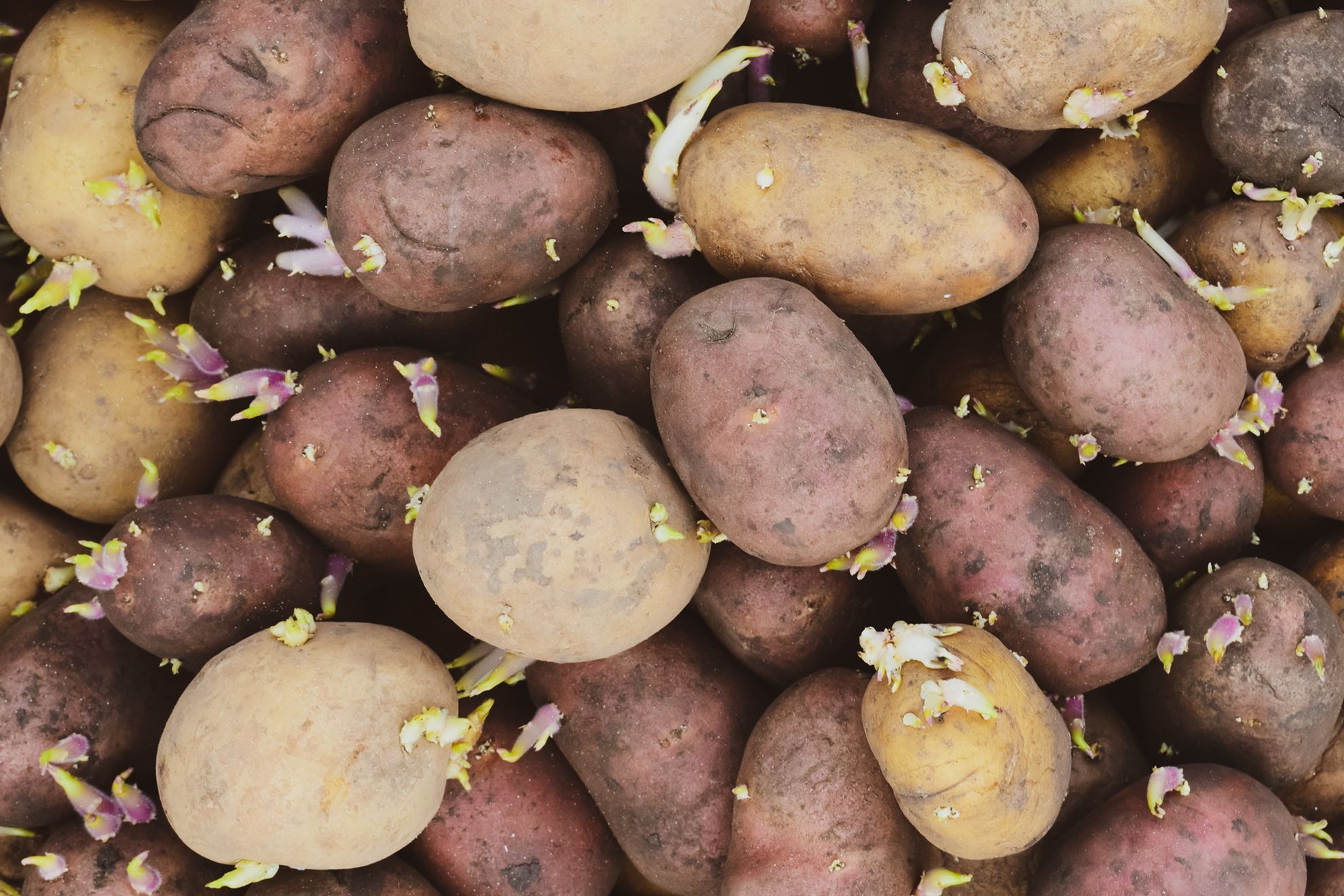
When possible, leave the skin on fruits and vegetables such as apples, pears, pumpkin and potatoes. Much of the fibre sits in or just beneath the skin, making this one of the easiest ways to increase your intake.
4. Make wholegrain swaps
If you regularly eat white bread, rice or pasta, try switching to wholegrain varieties such as multigrain bread, brown rice or wholemeal pasta.
These simple swaps can significantly increase your fibre intake without changing the size of your meals.
RELATED: Three ways to double the protein in your breakfast by adding just one ingredient >
5. Add fibre toppers
Chia seeds, flaxseeds and LSA are easy additions to breakfasts and snacks. Sprinkle them over cereal and yoghurt, stir them through overnight oats or blend them into smoothies.
Chia seeds are the standout, providing almost 5g of fibre in just one tablespoon.
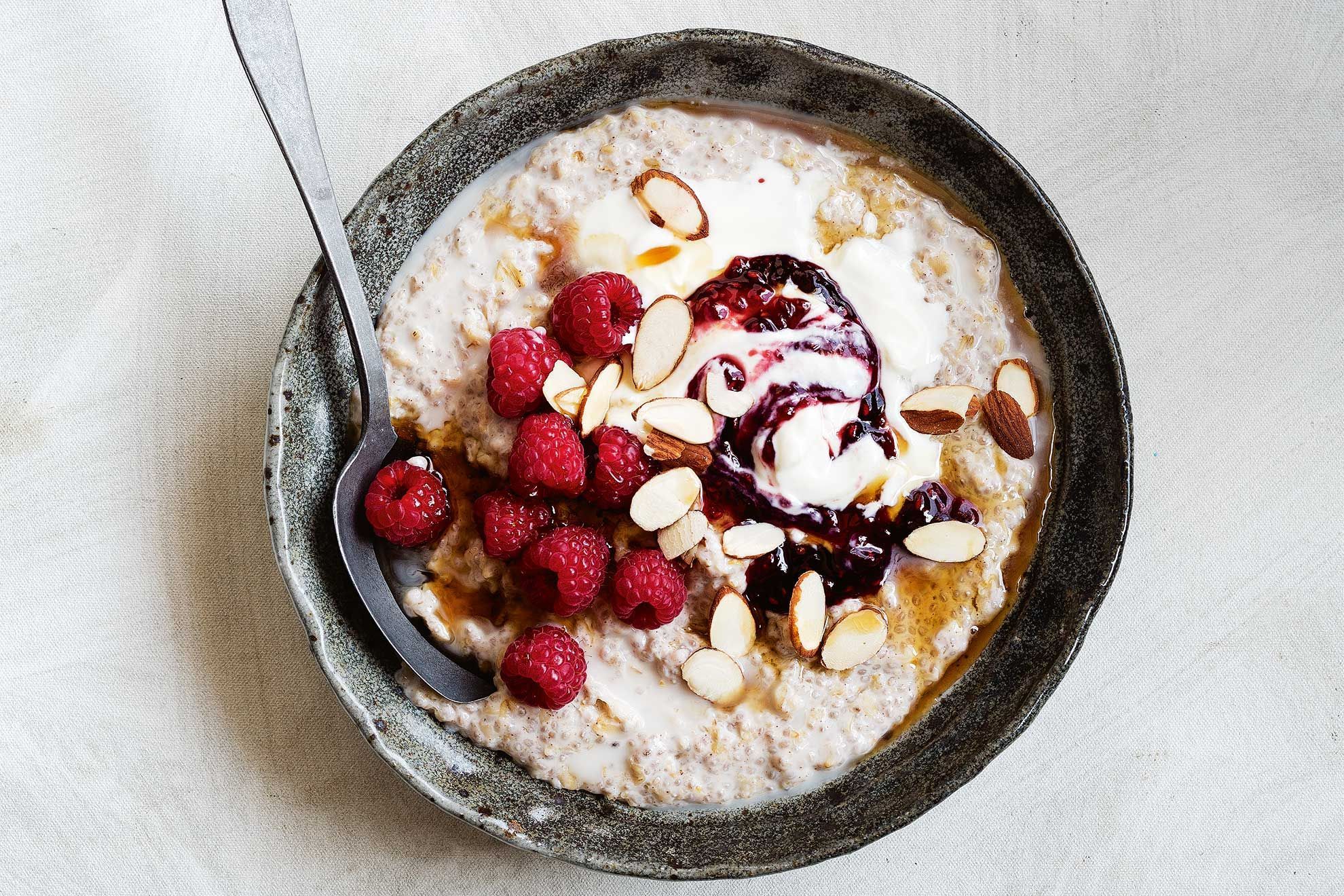 https://www.taste.com.au/recipes/overnight-chia-porridge/9zFOLghV
6. Add avocado
Add avocado to toast, sandwiches or salads. Half a small avocado provides around 4-5g of fibre and also delivers heart healthy monounsaturated fats, making it a double win nutritionally.
7. Keep canned legumes on standby
Chickpeas, lentils, black beans and edamame are among the highest fibre foods you can eat.
Just half a cup of chickpeas or lentils can provide around 6-8g of fibre. Keep canned varieties in the pantry for an easy addition to soups, casseroles, curries and salads.

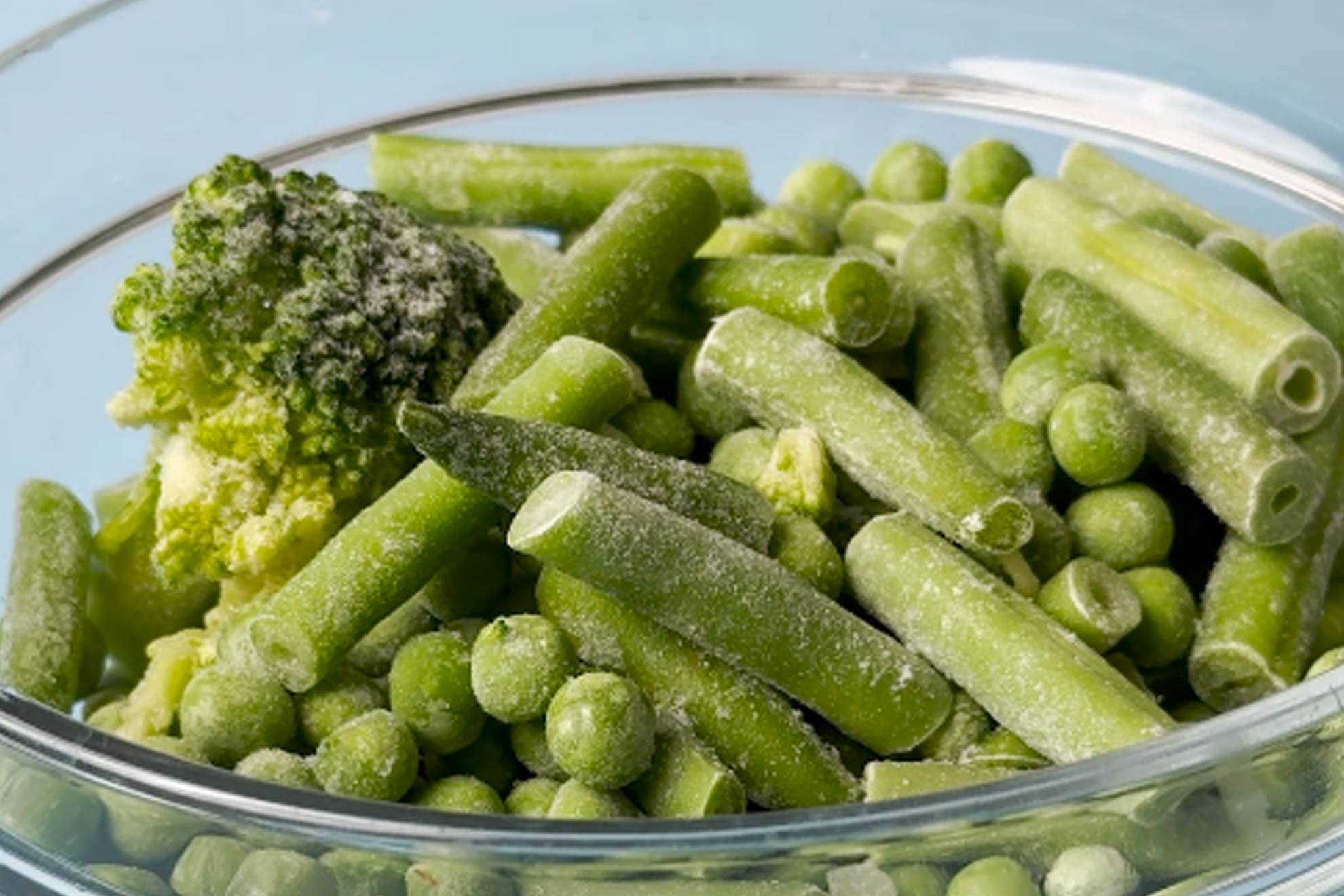
8. Use the frozen veg shortcut
Keeping frozen vegetables on hand is a convenient and affordable way to boost fibre intake.
They can be tossed straight into stir fries, soups and casseroles, or quickly steamed in the microwave as an easy side dish without the need to wash or chop.
RELATED: Dietitian reveals definitive health ranking of fruits (#1 might surprise you) >
9. Add nuts and seeds
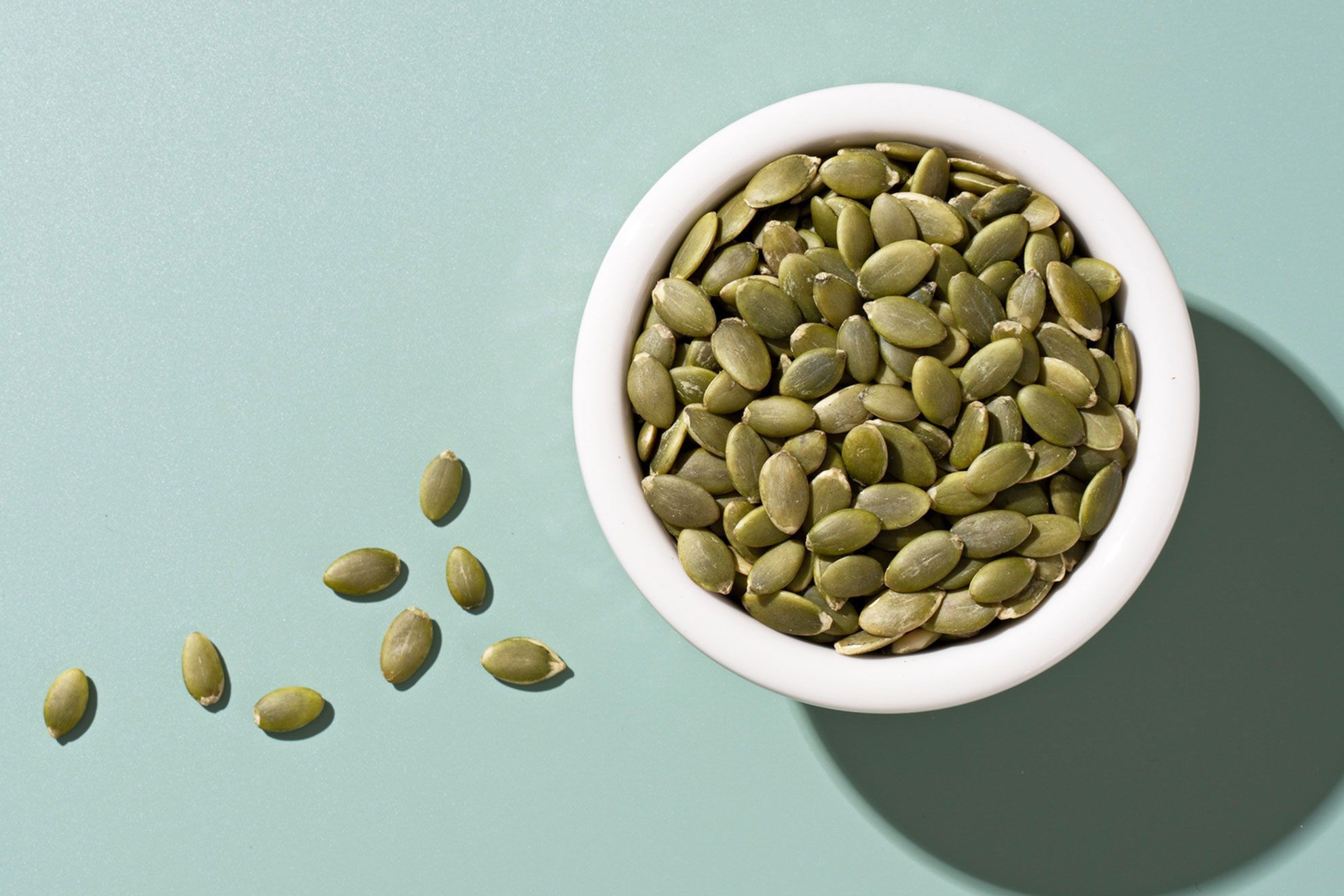
Nuts and seeds make a nutritious snack and typically provide around 2-4g of fibre per 30g handful.
They also work well sprinkled over salads, breakfast bowls and stir fries for extra crunch.
10. Try the psyllium hack
It may not be the most exciting option, but it is one of my favourites.
Mixing one tablespoon of psyllium husk into a large glass of water can provide around 5g of fibre. Psyllium is particularly rich in soluble fibre, the type most closely associated with lowering cholesterol levels and supporting healthy blood glucose management.
If drinking it is not your thing, try stirring it into porridge, yoghurt or breakfast cereal instead.
One thing to keep in mind
If you are currently eating a relatively low fibre diet, increase your intake gradually over a couple of weeks.
Try introducing one new fibre hack every few days to give your digestive system time to adjust. It is also important to increase your fluid intake as you increase fibre. Water helps fibre move through the digestive system and may reduce the likelihood of bloating, cramping or sudden changes in bowel habits.
You do not need a complete diet overhaul to boost your fibre intake. A few simple swaps and additions can quickly add up, helping you get closer to your daily target and reap the benefits that come with it.
READ NEXT: High vs low inflammatory foods: do you know the difference? >