
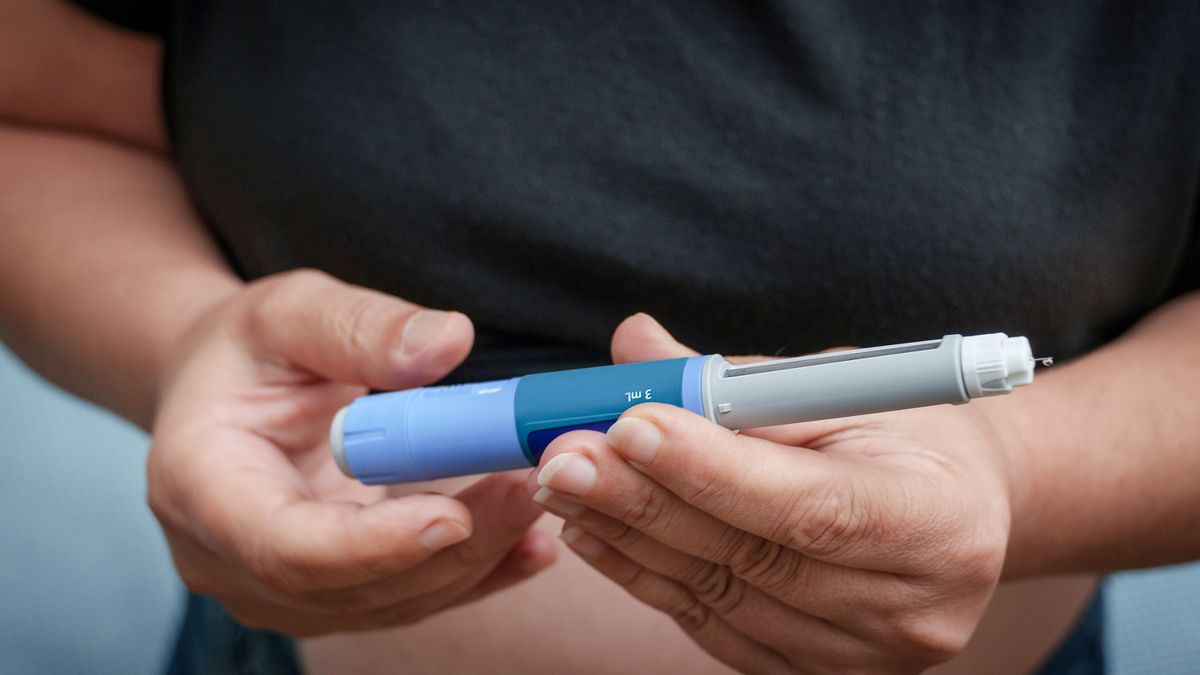
A pharmacist has warned anyone on these drugs they should take action to protect themselves as the temperatures rise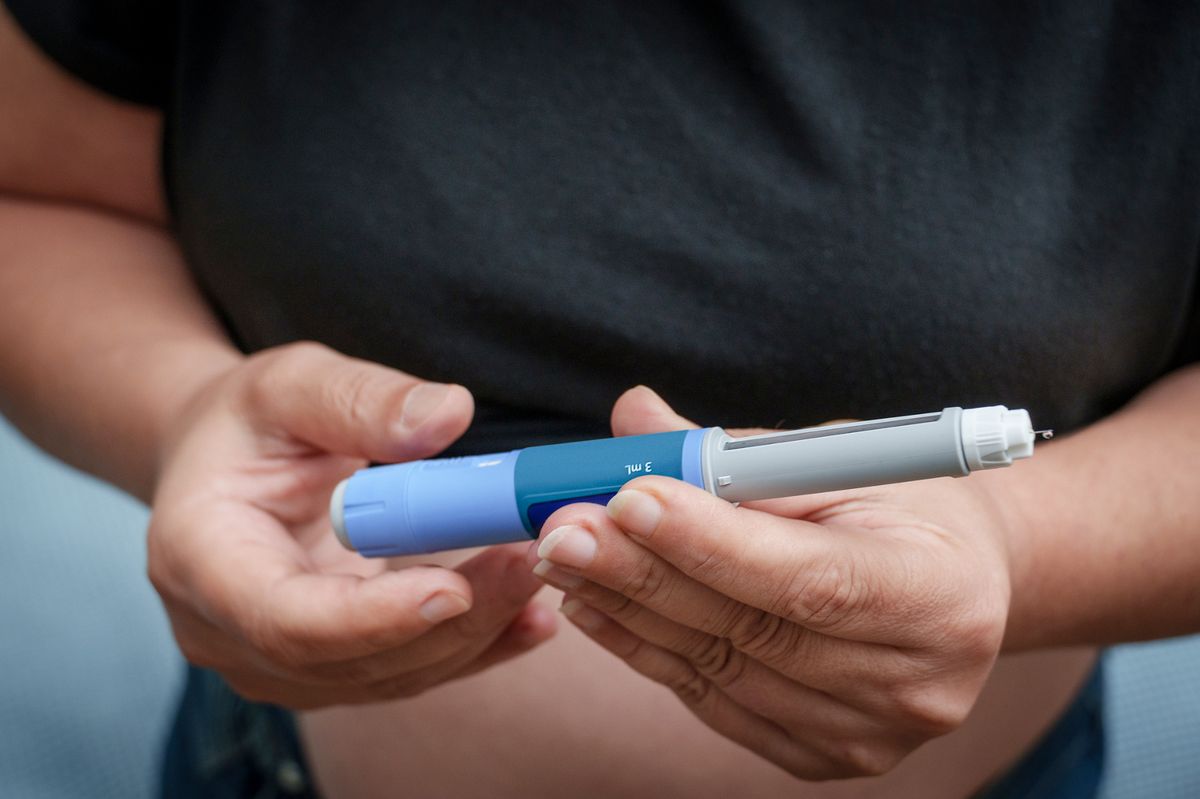
High temperatures can reduce how effective insulin is(Image: Getty Images)
An amber warning for extreme heat has been issued across parts of England and Wales as a dangerous heatwave builds, which could cause big problems for millions of patients on certain medications.
The Met Office has warned that temperatures are set to peak around 34°C – and potentially higher – on Monday and Tuesday. Coupled with high humidity and “tropical nights” where temperatures will fail to drop below 20°C, the intensity of the upcoming heatwave has triggered official heat health alerts from the UK Health Security Agency (UKHSA).
Medical experts say certain people need to be extra careful during the hot weather as extreme heat doesn’t affect everyone equally, the Liverpool Echo reports.
Click here to get the biggest stories straight to your inbox in our Daily Newsletter
Dipa Kamdar, a Senior Lecturer in Pharmacy Practice at Kingston University, says there are five common types of medication that can severely disrupt the body’s natural cooling mechanisms, drastically raising the risk of heatstroke, low blood pressure, and severe dehydration.
Importantly, health officials stress that patients must not stop taking their prescribed medication, but should instead take immediate preventative measures to protect themselves.
According to Ms Kamdar there are five medications that put people at particular risk.
Antidepressants
Ms Kamdar said commonly prescribed antidepressants like Selective Serotonin Reuptake Inhibitors (SSRIs) and Tricyclic Antidepressants (TCAs) alter brain chemistry in a way that directly impairs the body’s internal thermostat.
By shifting neurotransmitters like serotonin, these drugs can severely limit a patient’s ability to sweat, making it highly difficult for the body to cool itself down in 30C weather.
Antipsychotics
Used to manage conditions like schizophrenia and bipolar disorder, these medications block dopamine and alter serotonin levels, ms Kamdar said.
This process disrupts the hypothalamus – the brain’s temperature-regulating centre. Consequently, patients might lose the ability to sweat effectively or fail to realize they are overheating or thirsty, which can lead to low blood pressure and dangerous heat retention.
Heart and Blood Pressure Medications
With the Met Office predicting sticky, humid, and uncomfortable conditions, cardiovascular drugs pose a multi-pronged threat. Beta-blockers lower the heart rate and reduce pumping force, which can restrict essential blood flow to the skin, stopping heat from escaping the body.
Diuretics, which are frequently used for heart failure and high blood pressure, increase urine output, Ms Kamdar said. In a severe heatwave, this drastically accelerates dehydration and electrolyte imbalances.
Other cardiovascular drugs like Ramipril and Losartan disrupt the body’s fluid-balancing systems, suppressing the natural urge to drink fluids and increasing the risk of heat exhaustion, she said.
Stimulants
According to Ms Kamdar, medications often prescribed for ADHD, such as amphetamines, raise baseline body temperature, accelerate metabolism, and impair sweating.
Because stimulants can also mask physical feelings of exhaustion, individuals risk overexerting themselves in high heat without realizing their body is reaching a critical breaking point.
Insulin
People who use insulin may find they suffer from dizziness, shaking, sweating, or even seizures, during heatwaves, Ms Kamdar warns.
This is because hot temperatures cause the body’s blood vessels to dilate (widen) to help cool off, which can cause faster absorption of insulin into the bloodstream due to increased blood flow to the area where insulin is injected. This then causes blood sugar levels to drop more rapidly, resulting in hypoglycaemia.
Extreme heat can also physically degrade insulin, turning it cloudy and rendering it unsafe to use.

Greater Manchester could see a heatwave over the coming week(Image: Sean Hansford | Manchester Evening News)
Tips for people who take medication during the heatwave
Ms Kamdar suggests people take preventative action to ensure they stay safe during the heatwave and can continue to take their medication as needed.
She advises:
Always check labels for storage instructions. Avoid leaving medications in hot places, such as in cars or on windowsills.Insulin isn’t the only drug affected by heat – inhalers and EpiPens can also malfunction or become less effective.Stay hydrated when it’s hot – unless your doctor has advised otherwise. Dehydration can actually worsen the effects of many medicines.For example, anti-inflammatory painkillers (such as ibuprofen) are more likely to cause kidney problems and bipolar medicines (including lithium) can become toxic if you’re dehydrated.Avoid peak heat hours and stay in cool environments when possible. Watch for warning signs of heat-related illness – such as dizziness, confusion, nausea or excessive sweating.Don’t stop taking your prescriptions medication without medical advice. If it’s affecting your ability to cope with the heat, speak with your doctor or pharmacist.