

Ageing is an inevitable part of life. But that has done nothing to quell the interest in longevity in the health and wellness space, particularly in recent years. Fears been heightened after a new study, published in Nature Medicine, found that people currently in their fifties appeared to be ageing faster than the previous generation: a 23 per cent faster rate of biological ageing as younger adults compared with those currently in their seventies.
But while expensive fads such as complicated supplements or extremes like “blood-cleaning” might promise exceptional results, you do not have to waste your money to improve your chances of a long, healthy life. Instead, there are several easy habits you can build into your day-to-day.
Add in fermented foods
One of the many ways we can shape our ageing is through our diet. While the impulse may be to focus on what you need to eat less of (ultra-processed foods, items high in salt, sugar and fat and so on), what you add to your diet is just as important.
Shorts
Scroll to previous short
Scroll to next short


Eight easy ways to stop
your child spending summer glued to their devices
Not all screen time is bad
Using screens in a way that benefits your child’s development is key and balancing educational content and entertainment with offline activities ensures a well-rounded routine.
DR GUMMER

How to keep your kids off screens

Outdoor activities
For younger children, try scavenger hunts, garden games and nature walks. For older ones, hikes
and biking trips.
Create a schedule
Designated screen-free times helps children develop a routine that balances screen use with other activities.
 Caption: Mid adult man with eyeglasses sitting on a comfortable sofa at home, thoughtfully writing notes in a small notebook while natural sunlight illuminates the room
Photographer: Milan Markovic
Provider: Getty Images
Source: E+

Family game nights
It’s an excellent way
to bond and develop critical thinking skills.
How to keep your kids off screens
Creative hobbies
Getting creative, through drawing, painting or model construction, enhances cognitive skills and offers an alternative to screens.


Social interaction
Arrange playdates or group activities with friends, or for older kids try an overnight camping trip in the garden.
How to keep your kids off screens
Lead by example
Showing that you value offline time encourages your children to do the same.


Have a reward
Implement a reward system where screen time is earned through positive behaviour.
Open conversations
Discuss the importance of balancing screen time with your children so they understand the reasons behind the rules.

Can following a particular diet
help prevent or delay dementia?
Some studies suggest so.
These are the eight brain-boosting foods registered dietitian Fareeha Jay
recommends people consume as part of a weekly diet…

Foods that can cut dementia risk
 Caption: A detail of cracked egg falling into the pan as woman holds egg shells in both hands.
Photographer: SimpleImages
Provider: Getty Images
Source: Moment RF
Eggs
They contain several nutrients thought to support brain health, including choline, vitamin B12 and iodine.
Coffee
Caffeine can reduce inflammation and
slow the degeneration
of brain cells.
 Barista hand making cappuccino Coffee with espresso machine in cafe – stock photo. (Photo: Getty)
 Cooking fruit and vegetables (Photor: GMVozd/Getty Images/E+)
Broccoli
It’s packed with antioxidants and high in vitamin K, which is essentially for healthy brain cells.
Fibre is overlooked in dementia prevention
 Caption: Cookie jar, tea, wine, nuts, books, lit candles and Christmas decorations on the table. Cozy Christmas hygge at home. Selective focus.
Photographer: Jelena990
Provider: Getty Images
Source: iStockphoto
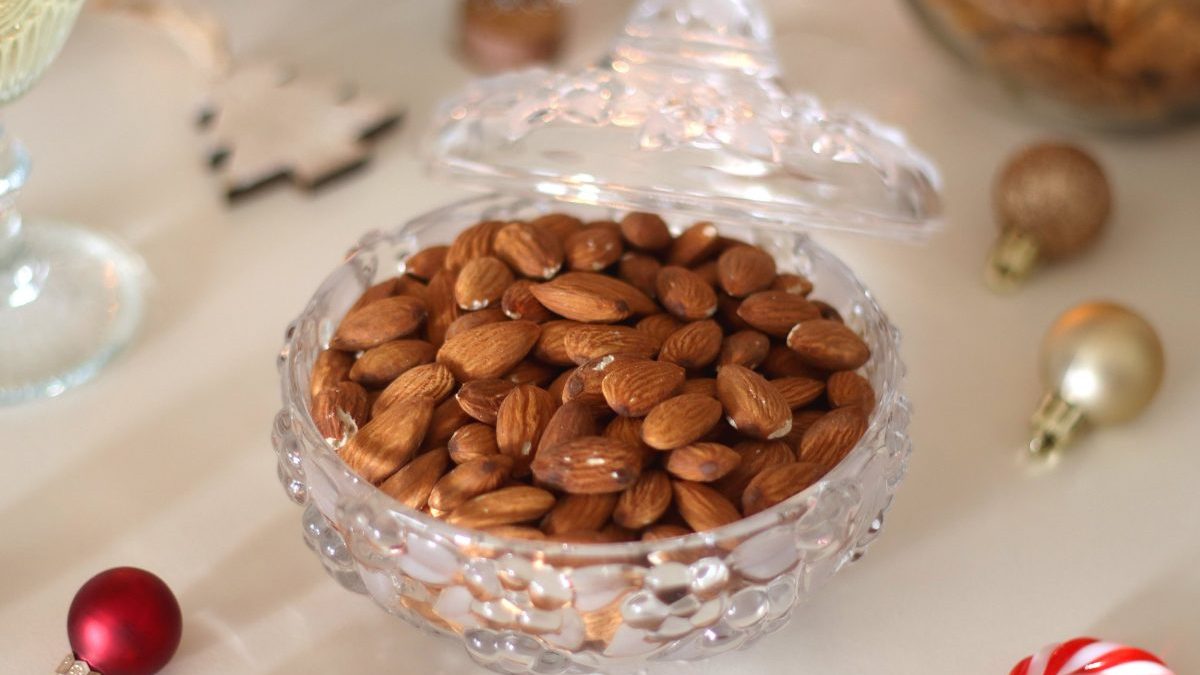
To increase fibre intake, include wholegrains, nuts, seeds, lentils, and legumes.
Fermented foods also support brain health by improving the gut microbiome.

LIFESTYLE
4 min read
Foods that can cut dementia risk
 (Photo: Joff Lee/Getty Images)
Oily fish
Your brain uses Omega-3s to build brain and nerve cells – so a diet rich in them may slow age-related mental decline.
Walnuts
These improve heart health markers, which is linked to a lower risk of neurological disorders.
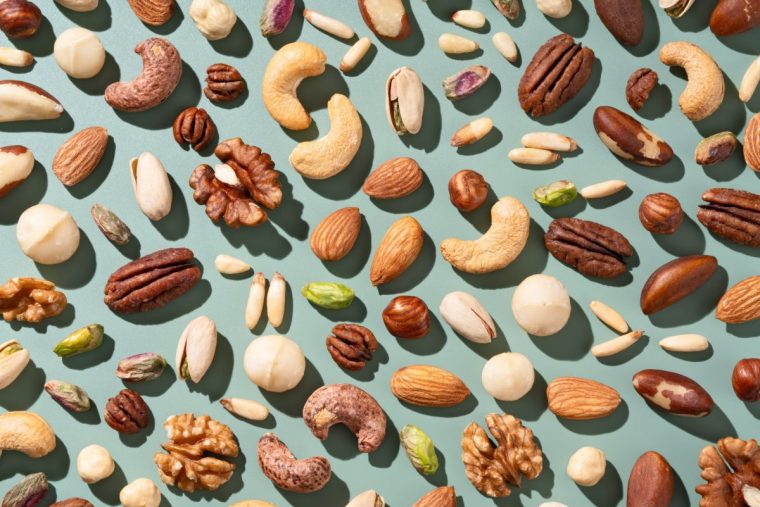 Health professionals are nuts about nuts – with good reason!
 Supermarkets report increasing demand for blueberries (Photo: RHS/Guy Harrop)
Blueberries
They contain compounds which have been shown to improve blood flow to the brain, cognitive function, and memory.
The Mind diet
The diet aims to reduce dementia risk and the decline in brain health.
It was created in 2015 by Dr Martha Clare Morris and colleagues at Rush University Medical Centre and the Harvard Chan School of Public Health.
It encourages vegetables, berries, nuts, whole grains, olive oil, fish, beans, and poultry.
These foods contain nutrients that promote good brain health by reducing oxidative stress and inflammation.
 The Midlife MOT is open to all and covers three key areas: work, wealth and well-being (Photo: Westend61/Getty)
Feeling insecure at work
in your 50s? You’re not alone
The final decades of work
There’s this assumption about being put out to pasture… but now that we’re living and working longer, we have to challenge myths around ageing and remember that over-50s are a crucial part of the workforce…
LYNDSEY SIMPSON, AUTHOR OF AGE REBELLION AND FOUNDER OF 55/REDEFINED

The current situation
By 2030, almost half of all employees in the UK workforce will be over 50.
36%
Now one in three workers are over 50.
Yet more than a third of those between 50 and 69 believe that their age puts them at a disadvantage when they apply for jobs.
37%
The Age Without Limits study from 2024 shows that 37 per cent of workers between 51 to 70 felt badly treated in work because of their age.
The things to do, says Simpson
 More and more people are using AI for counselling (Photo: Oscar Wong/Getty/Moment RF)
Keep learning new skills
We need the same level of career planning in
our fifties as our twenties. It’s possible to reinvent yourself again.
Embrace technology
It’s nonsense that older people can’t pick up how to use new tech.
 Caption: John?r Bildbyr? AB
+46 8 644 83 30
www.johner.se
info@johner.se
sales@johner.se
Photographer: Johner Images
Provider: Getty Images/Johner RF
Source: Johner RF
Copyright: John?r Images/Lisa ?berg
 Caption: This is a photo of a woman clutching a pink piggy bank labelled pension. See PA Feature FINANCE Pension Pots. WARNING: This picture must only be used to accompany PA Feature FINANCE Pension Pots. PA Photo. Photo credit should read: Alamy/PA
NOTE TO EDITORS: This picture must only be used to accompany PA Feature FINANCE Pension Pots
Photographer: Alamy/PA
Provider: Alamy/PA
Source: PA
Think about money
Do you need a pay rise? Could you trade some of that money you earn, to work a bit less, and do more things you enjoy?
The things not to do
Become full-time childcare
Grandparenting on the horizon? If you don’t want to do childcare, have the conversation early – even before a child becomes pregnant – that you plan to continue working and love your job.
 Caption: Indoor image of thoughtful puzzled senior woman with gray hair in glasses looking at paycheck holding head in hand, upset with high rent charge, sitting at kitchen table in front of laptop
Photographer: shurkin_son
Provider: Getty Images
Source: iStockphoto
 Grandparents and granddaughter gardening together – stock photo. (Photo: Getty)
Accept redundancy too quickly
It’s going to be so much harder to get back into work if you don’t have a plan before you take that leap.
The things not to do
Rush into retirement
 Senior bed woman problem pain headache home elderly mature pain bedroom upset unhappy female caucasian adult relationship retirement old difficulty ache head sick migraine hangover sleep – stock photo. (Photo: Getty)
Everybody thinks early retirement is the dream but the reality can be different. There can be loneliness, lack of purpose and a sense of invisibility.

LIFESTYLE
5 min read
By November, UK food prices will be 50 per cent higher than they were at the start of the cost-of-living crisis
With that in mind, food editor Sophie Morris shares how she saves money on her weekly shop

Easy ways to save on the weekly shop
 Caption: NORTHWICH, ENGLAND – JULY 06: Whole chicken sit on display in a Tesco supermarket on July 06, 2022 in Northwich, England. The British Retail Consortium recently said food manufacturers and supermarkets are having to pass on some of the cost of soaring raw materials to consumers, leading to the price of basic goods throughout the UK rising at the fastest pace since September 2008. Fresh food prices increased by 6% in the year to June 2022 coupled with an increase in inflation, and fuel and energy prices to create a cost of living crisis. This is leading to millions of low-income households going without essentials items, falling behind on bills and taking on debt. (Photo by Christopher Furlong/Getty Images)
Photographer: Christopher Furlong
Provider: Getty Images
Source: Getty Images Europe
Avoid chicken breast
Boneless chicken thighs are all meat and a much tastier product.
Don’t plan everything
If you plan every meal all week, there’s no leeway for necessary last-minute changes of plan (or leftovers).
 Man Cooking By Woman Chopping Carrots In Kitchen – stock photo. (Photo: Getty)
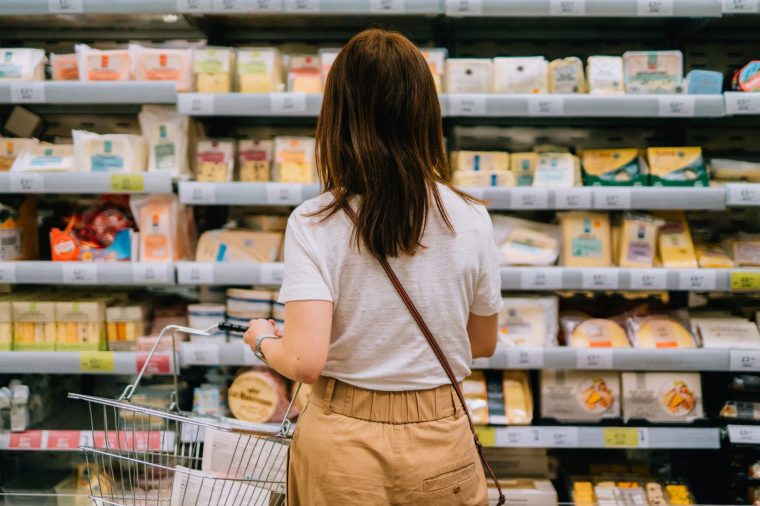 Governments are not all powerful when it comes to huge international forces like those increasing global food prices (Photo: Oscar Wong/Getty Images/Moment RF)
Shop alone
There are so many products that children want to fill the trolley with – all kinds of exciting eye candy. It’s cheaper to go alone.
Easy ways to save on the weekly shop
Consider a vegetable box delivery
Having a Riverford box delivery helps Morris avoid impulse buys and go to the shops
less – even though the box is pricey. “It is expensive, but of great quality and organic”.
 Milk and potatoes prices are expected to increases sharply later this year, say supply chain experts (Photo: Kate Wieser/Getty)
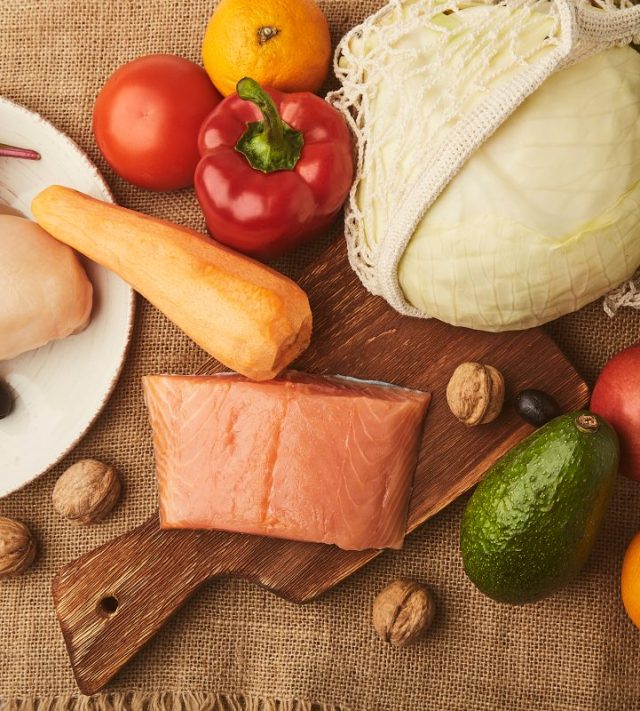 Low carb, FODMAP diet food background with vegetables, fruits, smoked salmon, chicken fillet, greens, nuts, olives. Menu for healthy eating . – stock photo. (Photo: Getty)
Track your spending
It doesn’t need to be an elaborate spreadsheet but without some kind of metric, it’s impossible to spot where you
can or must make cutbacks.
Easy ways to save on the weekly shop
 The supermarket loyalty schemes vary in their generosity (Photo: Paul Childs/Reuters)
Look for yellow stickers
You can save plenty
over a year by never buying branded products at full price.
Take stock
Do a quick cupboard stocktake. You might find you already have three jars of one thing.
 Mid-Adult Couple Calculating Their Finances On The Laptop In The Kitchen – stock photo. (Photo: Getty)
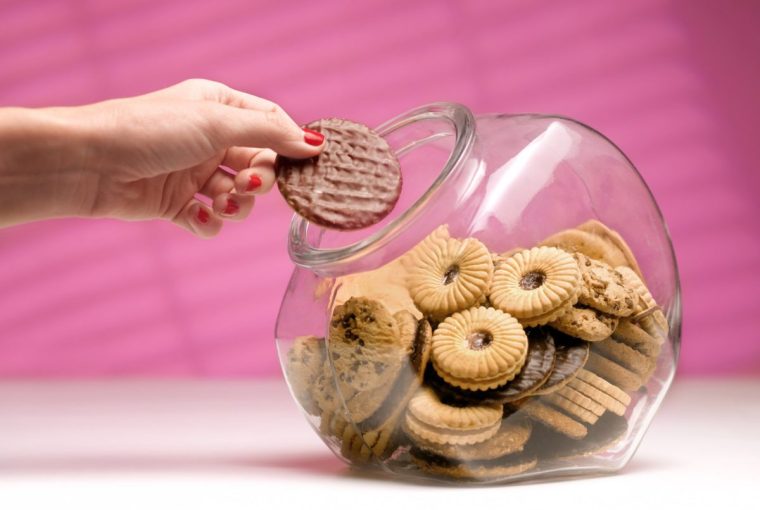 “Soft restrictions” aren’t infallible; we can always make the effort to get a ladder and get the biscuit tin down from the highest shelf (Photo: Getty)
Avoid packaged snacks
Packing fruit, biscuits, and nuts etc into a Tupperware to take out is more cost effective than buying tiny packaged portions.
Easy ways to save on the weekly shop
Be wary of DIY treats
“Faking” a takeaway at home can sound like a cheaper option, but if it’s something you don’t usually cook – that needs new ingredients – it could work out pricier.
 Whatever you buy, buy British if you can. That will help boost fishermen’s finances (Photo: Betty Laura Zapata/Getty)
 Caption: A customer looks at packages of chilled chicken cuts in a part-empty refrigerated display unit at a Lidl supermarket store in Walthamstow, west London, on September 21, 2021. (Photo by Tolga Akmen / AFP) (Photo by TOLGA AKMEN/AFP via Getty Images)
Photographer: TOLGA AKMEN
Provider: AFP via Getty Images
Source: AFP
Copyright: AFP or licensors
Do you need it now?
Returning a few things to the shelves that you won’t need in the near future can save you a healthy amount.
Skip a shop
Every time you make do with what’s at home,
you save big.
 Supermarkets will find ways of holding down the price of the basics, and try to make their money on the fancy lines (Photo: Roy James Shakespeare/Getty)
Easy ways to save on
the weekly shop
Try a week or a month of shopping local,
and you might be surprised at the results,
in terms of cost and other benefits like supporting local businesses, and
avoiding car journeys and traffic.
 Defenders of the triple Lock point to the fact pensioners are often asset-rich and income-poor. (Photo: Getty)
Go shopping when you’re not in a huge rush so you can make relaxed and informed decisions. Don’t expect to stick to your plan or make great choices when you’re in a hurry.
I’ve been a cleaner for 30 years – these are the 10 products I swear by
Rebecca Jones has tried most cleaning products in her
decades-long career.
She shares the ones she can’t
live without.
The 10 best cleaning products

Best vacuum
Henry is a classic.
It has fantastic filters, sucks up pet hair quickly, and is great at cleaning up fine dust.
Best mop and bucket
The Vileda H2PrO set is light, manoeuvrable and keeps clean and dirty water separate.

 A reader has asked whether or not she should sack her cleaner because she isn’t doing a good job anymore (Photo: stock image of a man cleaning a window via Getty Images)
Best glass cleaner
The HG Glass and
Mirror cleaner removes stains without leaving smudges or streaks.
The 10 best cleaning products
Best multipurpose cleaner
Method’s multi-surface cleaner is plant-based, cruelty-free, and works great on grease, sinks, sealed wood surfaces, hobs, bins and sealed laminated floors.
 Deep cleaning glass door handles for Covid-19 disease prevention. alcohol,disinfectant spray on Wipes of Banister in home for safety,infection of Covid-19 virus,contamination, germs – stock photo. (Photo: Getty)
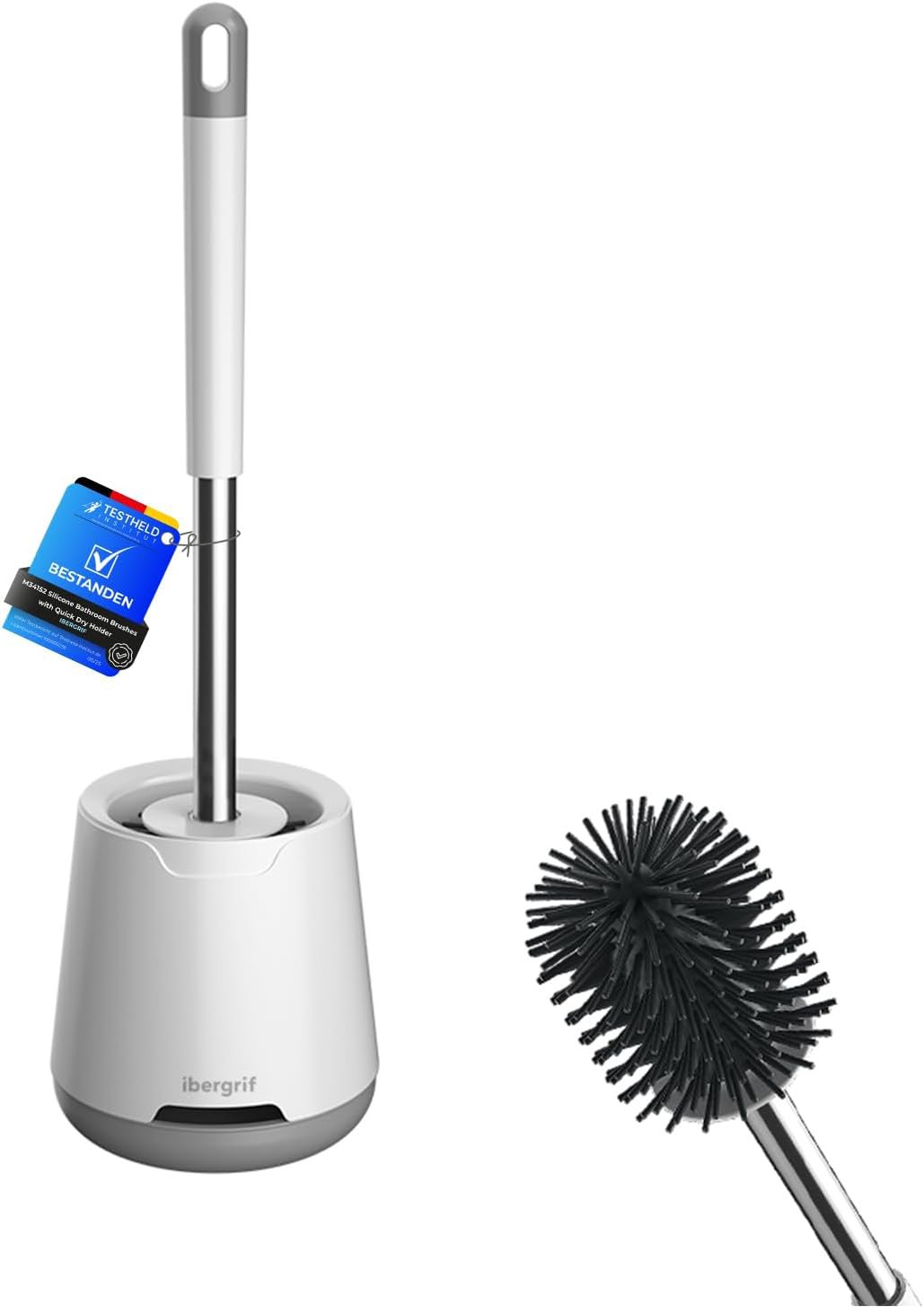
Best toilet brush
Unlike a regular toilet brush, nothing gets stuck in the bristles of Ibergrif M34152 Silicone brush. It also dries quickly, so
there’s less odour.
The 10 best cleaning products
Best mould remover
Jones uses the HG Mould Spray on walls, tiles, grout, windows and outdoor furniture.
 (Photo: boonchai wedmakawand/Getty/Moment RF)
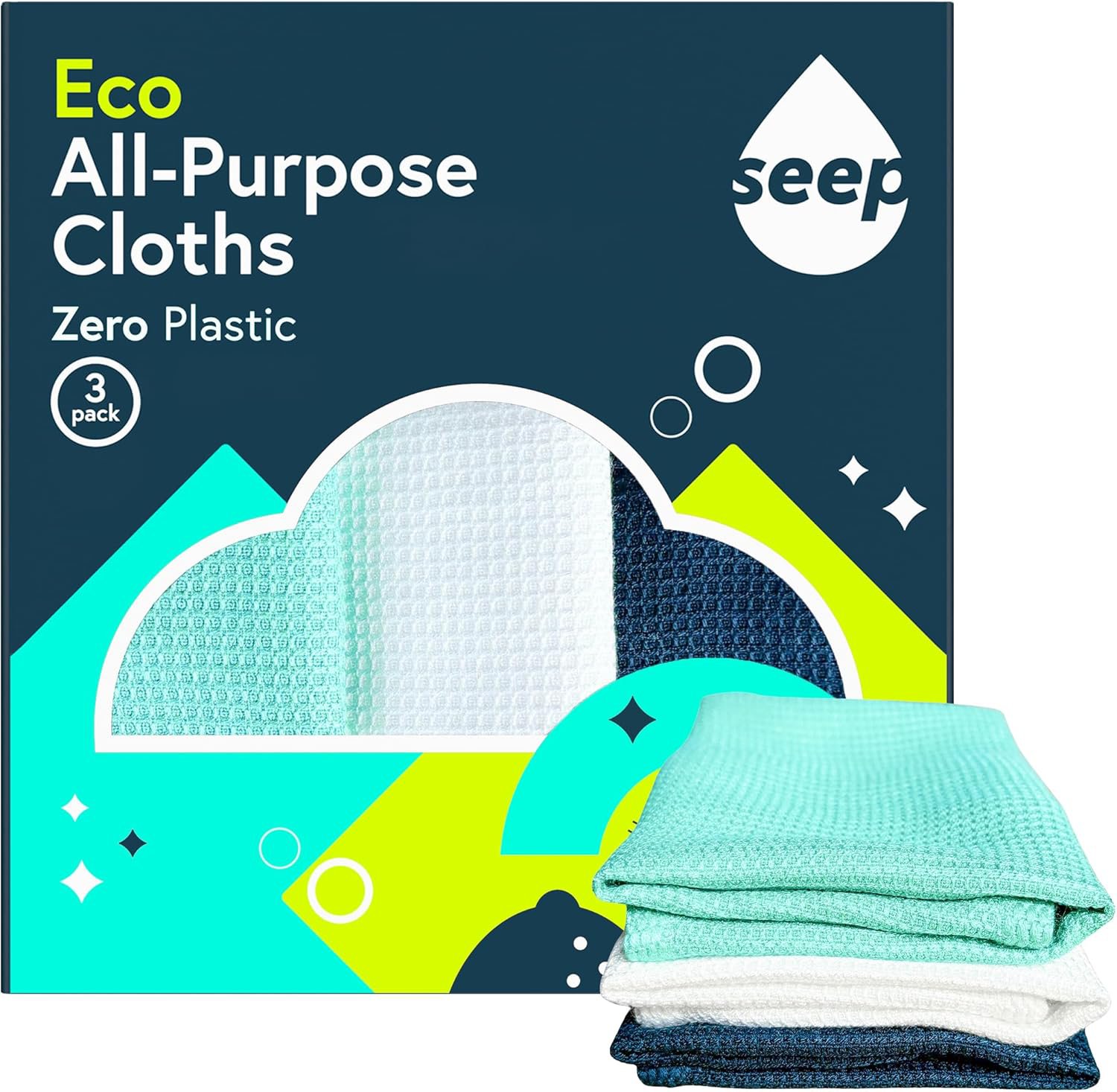
Best cloths
The Seep Eco Bamboo clothes have a streak-free finish and last.
Best carpet cleaner
Every home should have a bottle of Dr Beckmann’s stain remover, says Jones.
 Caption: Dr Beckmann Power Brush Stain Remover
Image from https://www.dr-beckmann.co.uk/products/pre-wash-stain-devils/
The 10 best cleaning products
Best stain remover
The Mr Siga Multi-Functional Eraser Sponge acts like fine sandpaper to lift
dirt, stains, and scuffs using only water.
 (Photo: Viktoriya Skorikova/Getty Images/Moment RF)
Best kept secret
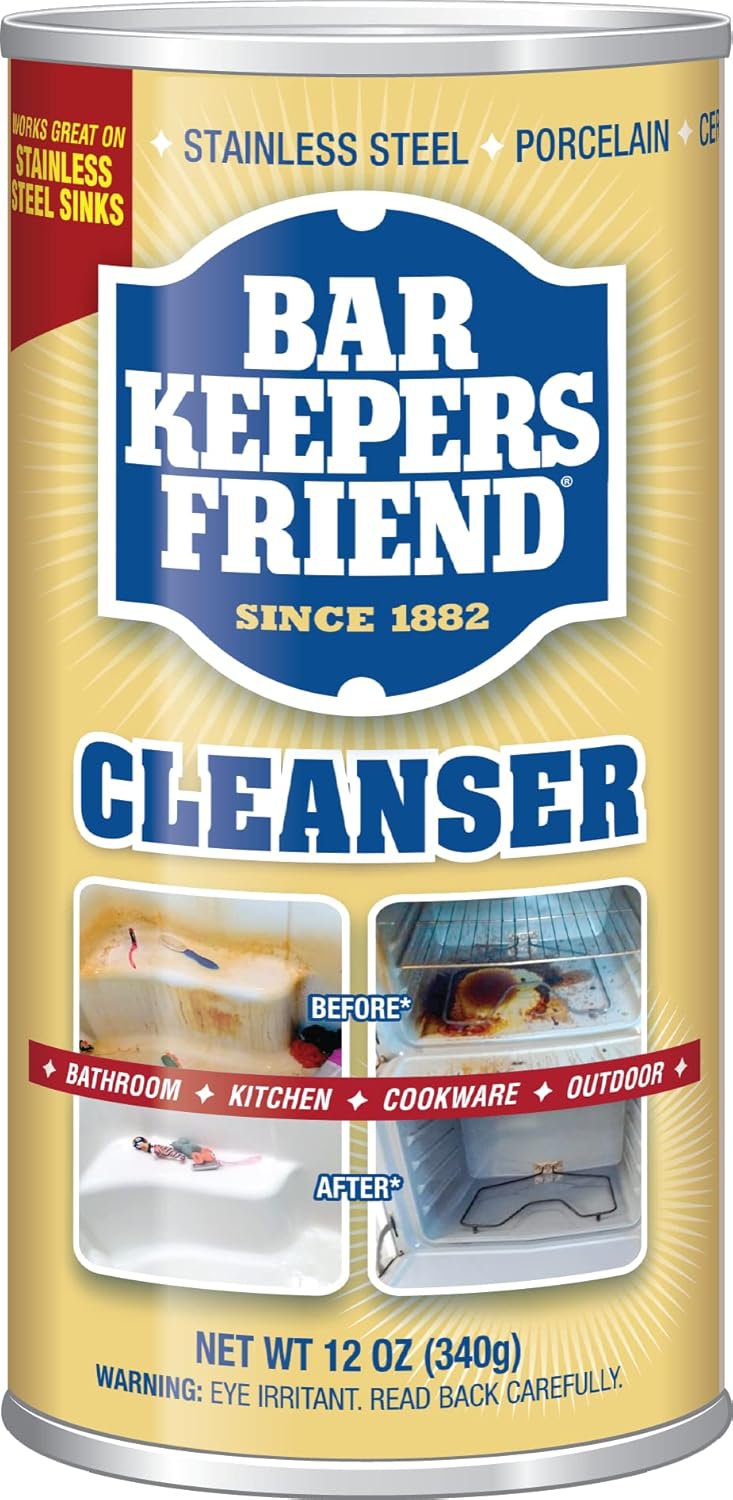
Jones uses Bar Keepers Friend Cleanser to polish stainless-steel, scour sinks and clean her fridge and cookware.
Around 957,000 people aged 16 to 24 are classed as NEET ie. not in Education, Employment or Training
But as youth unemployment rises, not all companies
are looking to universities to find their new recruits. Meet the people who have benefitted.
 Poorer graduates will be hit hardest by the changes, the National Union of Students says (Photo: Andrew Fox/Getty/Image Bank)

For young people unable to attend uni
My whole life was being a carer, so I was very lost…
From the age of around 10, Bruce Devlin took responsibility for everything at home – from administering his mother’s medication, to doing the shopping, cooking, cleaning and supporting his mother’s mental health.
He scraped through school, leaving with the lowest grades.
Now, aged 26, he has secured a job by pursuing an unconventional route.
The charities helping them
Bruce followed an unconventional route.
Getting a foot in the door seemed impossible with his qualifications, lack of experience and connections.
His Job Centre work coach put him in touch with Generation, a non-profit which partners with companies to identify roles which they are struggling to fill.
He landed a place on Generation’s first IT support boot camp and benefited from CV and interview coaching.
Bruce is now a level three senior quality engineer with 2i Testing, a company which tests other companies’ software.
The result
Getting a full-time salary and being a contributing member of society is an amazing achievement. Without this, I’d be just another person on jobseeker’s allowance, wasting any potential I had.
BRUCE DEVLIN, 26, GLASGOW

The apprenticeship route
Jessica Andrea Carvalho had an offer to start a media and marketing degree but she rejected it at the last minute to avoid huge debt and years of classroom learning.

Avoiding increasing
NEET numbers
 Young woman at her first job interview with the owner of a coffee shop – stock photo. (Photo: Getty)
Generation placed 700 people
like Bruce in jobs last year.
The number of placements has jumped 20 per cent from last year.
42 per cent of their learners come from the UK’s most deprived areas.

Big Read
10 min read
 Plan 5 applies to students who began university courses on or after August 2023
(Photo: Abraham Gonzalez Fernandez/Getty Images/
Source: Moment RF)
What do employers think?
Creating more routes in is not just about opportunity – it helps bring in talent with different experiences.
Paula Cunnington, the chief talent officer for Publicis Groupe UK, a network of marketing agencies that has hired 79 apprentices, says curiosity and real-world experience are far better indicators of future success.
Up to 75 per cent of us in the UK are not drinking enough water.
The human body can survive for a time without food, but it cannot survive for long without water.
Here are the signs you need more fluids, according to a GP.

How much we should drink
Water is the most vital component for life.
6-8
NHS guidelines advise we should be drinking six to eight glasses of fluid per day.
This does vary depending on our activity levels, the weather, and if we are ill.
80%
An estimated 50-80 per cent of our bodies and brains being made up of water.
It allows us to deliver nutrients to cells in our blood, lubricates our joints, regulates our temperature and much more.
How to stay hydrated
What to drink
Not all fluids are the same – water takes top spot, as it hydrates without sugars or calories, but lower-fat milks, sugar-free drinks or moderate amounts of tea and coffee can all count towards fluid intake.
 Caption: Asian girl grocery shopping in supermarket. She is choosing fresh fruit juice along the beverage aisle, reading the nutrition label and checking ingredients on the bottle. Making a healthier food choice and balanced diet. Healthy eating lifestyle
Photographer: d3sign
Provider: Getty Images
Source: Moment RF
 A reader bemoans that his children spend money on fancy coffees and holidays with friends, never having a penny left each month
(Photo: Getty/Gorica Poturak)
What to avoid
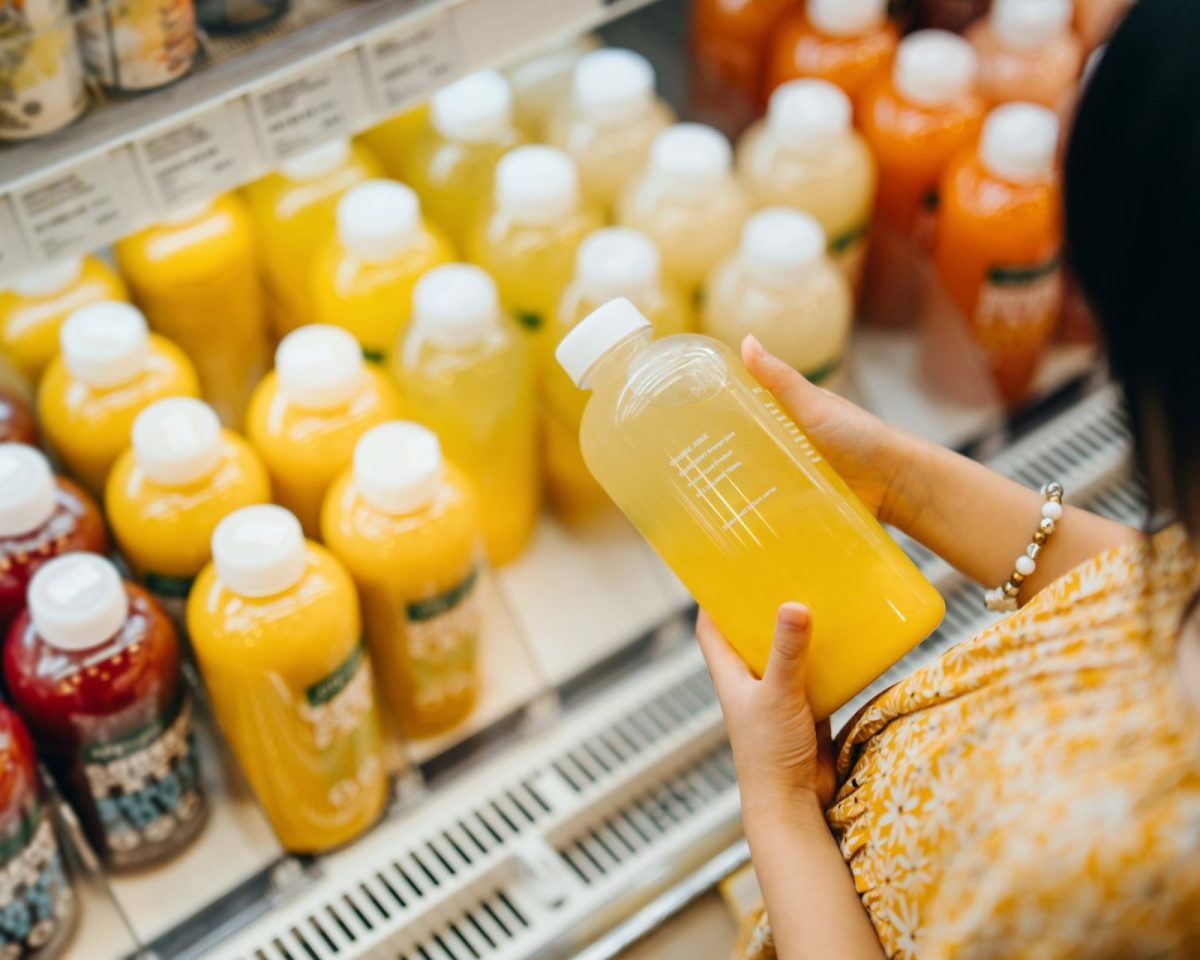
Limit smoothies and fruit juices to 150ml per day because the sugar causes dental decay.
Signs you’re not drinking enough
1. Our brains
 The pain from migraines is sometimes described as feeling like you’ve had an axe blow to the head (Photo: Getty)
When dehydrated, we can display an exaggerated response to pain and experience headaches. Concentration, attention, reaction times and short-term memory can also all be negatively impacted.

LIFESTYLE
6 min read
Signs you’re not drinking enough
2. Our bodies
Another common sign of dehydration is constipation. Our skin can look duller, be less bouncy to the touch and be less elastic.
 Tired Asian businesswoman working on a laptop computer in the office – stock photo. (Photo: Getty)
 (Photo: Ekaterina Demidova/Getty).
3. Our psychology
Research has shown that even mild dehydration can lead us to feel more moody, stressed and irritable. We can also feel more tired than usual, with less energy and motivation.

Quick and life-changing tricks for a calmer, tidier home
Easy habits to declutter your home
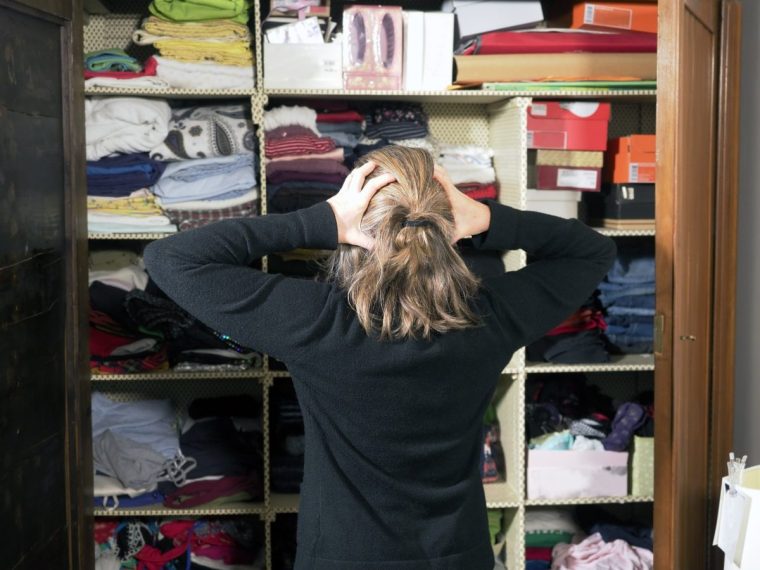 I need someone to tidy up my attitude towards tidying. Who does one hire for that?
(Photo: Getty Images/iStockphoto)
The habits audit
Subconscious habits can cause clutter so take regular pauses to stop and notice what you are doing during the day.
The re-entry reset
Establish a routine you follow every time you come home so the entrance stays clear.
 Two young children wearing school uniforms exit their front door – stock photo. (Photo: Getty)
 Late toilet training has become more common, putting pressure on teachers and taking up learning time (Getty)
The exit mindset
Each time you leave the house, take a minute to think: ‘What can I take out with me?’ To the tip? To the charity shop? To recycle?
Easy habits to declutter your home
The drop zone
Doing a clear-out for charity doesn’t need to be a big task. Have a donate box in a practical location to drop any unwanted items as you come across them.
 (Photo: Westend61/Getty).
 (Photo: Getty).
Dedicated home
Create a logical home for everything so it’s easier to find and keeps everything in place.
Easy habits to declutter your home
The quick scan
Each time you open a drawer identify a few items you can bin, donate or return to their rightful home.
 Woman carrying box while moving and cleaning up at home happily – stock photo. (Photo: Getty)
 Follow these rules to declutter your own home (Photo: Nadzeya_Kizilava/Getty/E+)
One in, one out rule
To manage wardrobe clutter follow the rule that a new item can only go in if you give something else away.
The daily check-in
Give yourself a few minutes at the start or end of the day to acknowledge the progress you’ve made.
 Woman Refreshing the Bed with Clean Bed Sheets in a Bright Room – stock photo. (Photo: Getty)
As Tim Spector, professor of epidemiology at King’s College London and founder of the health app ZOE, says: “Most people wouldn’t have thought of fermented foods as a health food and would be focused on what the government’s telling you: that they’re full of saturated fat or they’ve got too much salt. But they are so good for your gut and it’s worth experimenting by adding them in, ideally three fermented foods a day.”
Specifically, as this 2025 study explains, there is evidence they can slow down ageing by gradually reducing oxidative stress, reducing inflammation and directly supporting your gut microbiome. So add in foods such as kefir, yoghurt, kimchi, sauerkraut, miso and sourdough when you have the chance – and look for products with “live and active cultures”.
Load up on fibre
By the same token, a diet high in fibre is crucial for feeding the microbiome. “There’s a tendency to instantly think of expensive IV drips and elite supplements when longevity is mentioned, but fibre is actually proven to balance blood sugar, help manage cholesterol, support healthy weight and even reduce the risk of diseases like type 2 diabetes, heart disease and certain cancers,” says nutritionist and author Emma Bardwell, who has just published a bible on the topic, The Fibre Effect.”
“The vast majority of us simply don’t eat enough fibre,” explains Dr Will Bulsiewicz. “For me, the microbiome provides a new motivation to eat like this – I have these bacteria inside of me. They’re hungry. They need to be fed, and when they are fed, they will help me. It’s a pretty simple proposition.”
Foods high in fibre include whole grains, beans, nuts, seeds, fruits and vegetables.
Ditch sugar-sweetened drinks/snacks
While fermented and fibrous foods reduce your risk of life-shortening conditions such as type 2 diabetes, heart disease and obesity, foods high in added sugar (particularly those without other nutritional benefits) can increase your risk.
Sugary drinks are not only linked to an increased risk of type 2 diabetes, weight gain and tooth decay. Studies also suggest that consumption may reduce fertility in men and women and raise the risk of developing any kind of cancer. “It’s easy to drink more sugar than we realise because drinks aren’t as filling as food and often don’t register as being unhealthy in the way that, say, a cream cake would,” says nutritionist Laura Southern, founder of London Food Therapy.
While a radical diet overhaul is not likely to stick, smaller changes like reducing or cutting your liquid intake of sugar are much more achievable.
Invest in good-quality olive oil
Plants are a great source of naturally occurring micronutrients and antioxidants that reduce the oxidative stress that exacerbates ageing. This is why Dr Megan Rossi, dietitian and founder of The Gut Health Doctor, invests in food.
“For general gut health, I prefer to spend money on good-quality food rather than supplements. One area where I have invested is in extra virgin olive oil. I don’t have a specific brand but look for ones that fit my criteria – which I posted here – and will usually cost over £2 per 100ml.
“Good quality extra virgin olive oil is expensive because of the manufacturing, the growing, the processing. The science has suggested that cheap olive oil won’t have as many polyphenols in it, which is one of the reasons why extra virgin has been associated with so many better health outcomes: better mental health, heart health, lower risk of type two diabetes etc.”
Other foods rich in polyphenols that are worth investing in include dark cocoa products, berries, nuts, green tea and, yes, coffee.
Drink coffee, but never after 1.15pm
“Caffeine has recently been shown in studies to be neuroprotective – we already knew this but this new study really shows it. So I drink caffeine but I have a strict cut-off of 1.15pm,” says neurologist Dr Faye Begeti.
“Even if you can fall asleep straight after drinking coffee, that’s because you are sleep-deprived. And if you fall asleep with caffeine in your system, it reduces your sleep efficiency by seven per cent. It reduces your deep sleep in particular, which is where misfolded proteins are removed.
“The reason that people get dementia is because you have abnormal proteins that build up and damage regions of the brain. And a critical function of sleep is that those misfolded proteins are removed from the brain.”
Get up at the same time every day
There are other key ways to protect your sleep. The most crucial is to reduce drinking (which disrupts your sleep quality, affecting how well your brain can remove those misfolded proteins that damage the brain) and to develop a consistent sleep and wake time.
A Finland-based study, published in the journal BMC Cardiovascular Disorders, found that irregular bedtimes increase the risk of cardiovascular issues such as heart attack and stroke. The risk was even higher in people who also slept fewer than eight hours.
“The ripple effect is huge,” says psychotherapist Heather Darwall-Smith. “When you get up at the same time every day, you’re anchoring your cortisol peak, which in turn helps to stabilise your melatonin production in the evening. You don’t need to be militant, just fairly consistent.”
Get your hearing tested
Dementia is the leading cause of death in the UK. It is not an inevitable part of ageing but is caused by diseases affecting the brain. Thankfully, there are ways of reducing your risk. A key but often under-reported step, explains Professor John Tregoning, author of Live Forever?, is to check in on your hearing.
“Hearing aids have a clear protective effect around dementia. If you’re at the beginning of hearing loss you should get hearing aids early. There is a cycle that begins where you become disconnected from people and that can then have knock-on effects on loneliness and the way you perceive the world around you.”
Talk to strangers
Taking care of the social and psychological aspects of life is just as important for a long, healthy life as focusing on your physical health. “Social isolation is worse for you than smoking 15 cigarettes a day, continues Tregoning. “So social connectivity is key.”
“Research has shown that people with strong social support networks have a lower risk of developing cardiovascular diseases, such as heart attacks and strokes,” explains Dr Ian K Smith, author of Eat Your Age. “These social connections have even been linked to decreased levels of inflammation in the body and improved immune function, which can help slow the ageing process. Find your community, take your mind off the stressors in life and enjoy a sense of belonging and purpose.”
So socialise whenever you can: whether that’s a casual conversation with someone queuing for a coffee or prioritising eating meals together – even if they’re technically less healthy.
Quit smoking
Tregoning acknowledges that the message “quit smoking” is not new or exciting, but it is one of the best things you can do for your health – no matter how long you’ve smoked. It will restore cell health, preserve brain function, and reverse visible skin damage, all while reducing the risk of life-threatening chronic illnesses.
“From all the research I’ve read, there are four key tenets for a healthy life: don’t smoke, eat healthily, don’t drink, do exercise. People want to hear something new and shiny and easy. Good health, annoyingly, is not shiny and easy.”
Lift, and lift heavy
From 30 onwards, we start to lose muscle mass and bone density, exacerbated by hormone changes, particularly from forties onwards. But strength training can counter all of these changes. “Resistance training defies the ageing process by creating lean muscle mass,” says personal trainer Holly Davidson, who describes it as a “must” in midlife.
A study from the University of British Columbia of 3,600 men and women over the age of 50 found those with more muscle mass were at a lower risk of death from all major causes, leading the researchers to conclude it’s one of the best indicators of longevity. “By maintaining muscle mass, you can reduce your risk of chronic conditions, such as type 2 diabetes and heart conditions,” says study author Dr Teresa Liu-Ambrose.
But that doesn’t mean that cardio exercise doesn’t also play a crucial role in maintaining your heart health.
Take the stairs
When we engage in cardio (whether that’s the more gentle forms of walking, slow swimming or gardening, or more intense running or cycling), we are strengthening our hearts by making them pump harder, lowering our resting heart rate and improving our blood pressure. Professor Norman Lazarus, a 90-year-old expert in human ageing, still exercises daily as part of his regimen.
“I’ve always been physically active, but when I was about 50 I decided that I had to be serious about it. Crucially, I chose an exercise I loved – cycling. I didn’t say I’m going to go to the gym to jump 100 times because I knew that would bore me, and so I’d stop.”
Take up a stress-relieving practice like yoga
Taking control of stress is a piece of advice both obvious and frustrating – nobody chooses to be stressed – but finding ways to manage it is also key to slowing ageing.
A recent study has found that having someone within your network who causes you stress – described as a “hassler” – can add roughly nine months of extra biological age and cause cells to age about 1.5 per cent faster per year.
For this reason, immunologist Dr Jenna Macciochi says that practices such as meditation are fundamental: “As someone who’s a hardcore, evidence-based scientist, I now practice meditation and have trained as a meditation teacher. Regular meditation can significantly reduce markers of inflammation, such as C-reactive protein (CRP), and downregulate pro-inflammatory cytokines.”