
Your support helps us to tell the story
From reproductive rights to climate change to Big Tech, The Independent is on the ground when the story is developing. Whether it’s investigating the financials of Elon Musk’s pro-Trump PAC or producing our latest documentary, ‘The A Word’, which shines a light on the American women fighting for reproductive rights, we know how important it is to parse out the facts from the messaging.
At such a critical moment in US history, we need reporters on the ground. Your donation allows us to keep sending journalists to speak to both sides of the story.
The Independent is trusted by Americans across the entire political spectrum. And unlike many other quality news outlets, we choose not to lock Americans out of our reporting and analysis with paywalls. We believe quality journalism should be available to everyone, paid for by those who can afford it.
Your support makes all the difference.Read more
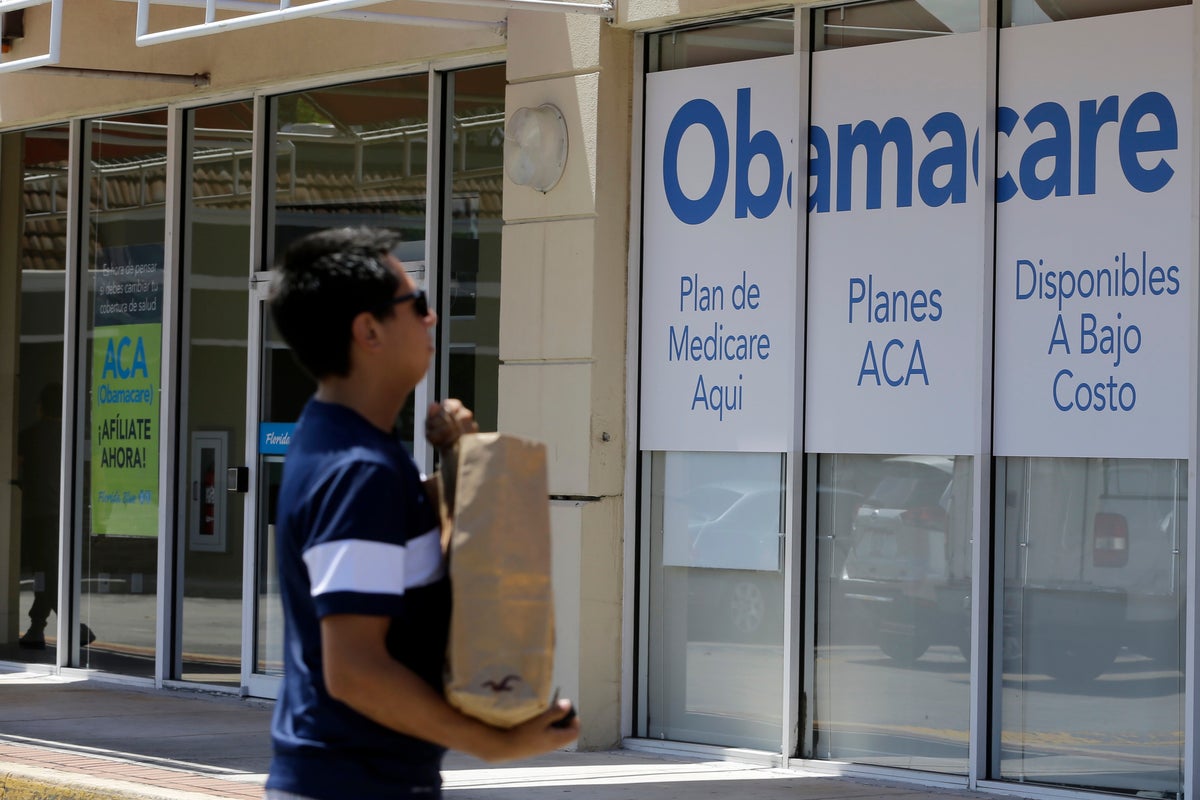
About 3 million fewer people in the United States had Affordable Care Act health insurance plans in February compared with the same time last year, according to new federal data.
In the report released Friday, the U.S. Department of Health and Human Services suggested the 13% drop in enrollment from 22.1 million people in 2025 to 19.2 million this year could be attributed to a federal crackdown on fraudulent or “phantom” enrollment. But health analysts said it was more likely related to the Jan. 1 expiration of federal subsidies, which caused a surge in plan costs that resulted in many people being unable to pay their premiums.
“We know that real people lost their health insurance coverage,” said Cynthia Cox, a vice president and director of the ACA program at the healthcare research nonprofit KFF, citing survey findings on people who had left their plans. “This coverage loss happened at the same time millions of people faced double or even triple digit increases in their premium payments.”
The new data, compiled in April but showing coverage in February, represents the government’s first official look at how people’s inability to pay their first bills this year affected total enrollment. That is because the figures capture the marketplace after a nonpayment grace period expired.
A federal estimate in January showed that about 800,000 fewer people had signed up for ACA plans compared with the same time last year, marking the first time in the past four years that enrollment had been down from the previous year at that point in the shopping window.
Cox said KFF expects the total number of people in the government healthcare program to continue to decline throughout the year, potentially to a low of about 17.5 million. That would be a significant drop for the government’s flagship subsidized health insurance program for working-age people who do not qualify for Medicaid. In recent years, ACA plans have become a popular choice for gig workers, farmers, ranchers, hairstylists and others without health coverage through an employer.
The ACA subsidies that expired this year were at the center of a bitter fight in Congress last fall, with Democrats and some Republicans calling for their renewal. Sharp increases in health costs across ACA and other health insurance programs come as voters in the approaching November elections say affordability is among their top concerns.