
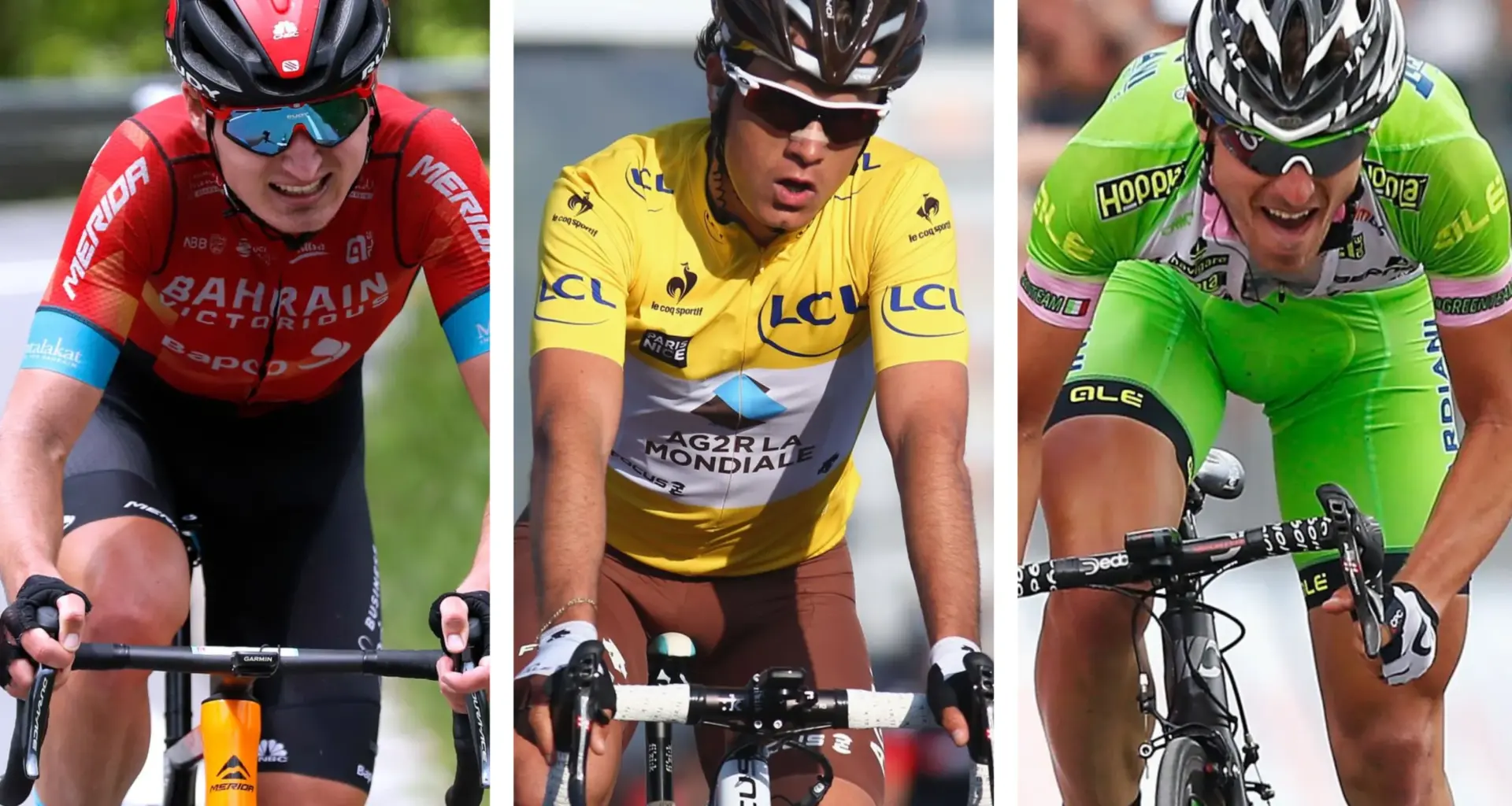
Sometimes it’s good to put on some rose-tinted glasses. In cycling, we’ve got plenty to look back on, even if half the results from the past 50 years have had to be rewritten in retrospect.
On football Twitter, terms like ‘Brexit football’, ‘Barclaysman’ and ‘the streets won’t forget’ are getting thrown about all over the timeline. Those phrases might mean nothing to you, but they’re all baked in a sense of nostalgia for the old-school sport. Not everyone can win the Ballon d’Or, but you can live on in the psyche as a player the ‘streets won’t forget’.
Urban Dictionary, the real arbiter of our lexicon, defines a ‘streets won’t forget’ athlete as: ‘A player whose legacy lives in memory rather than records. Known for electrifying peaks of form, unorthodox skill, or pure entertainment value, they may never have sustained elite success or received major public recognition, yet those who watched them know how special they were. Long after statistics fade and headlines move on, their name still comes up in conversations that start with “you had to be there.” They are remembered not for what they won, but for how they made the game feel.’
We’ve compiled an appropriately cursed list of 13 riders that embody this definition – cycling’s versions of Jay-Jay Okocha, Hatem Ben Arfa, Michu or Shunsuke Nakamura. They’re riders who had killer seasons, brief infamy, but often don’t get the same respect as someone like Chris Froome or Alberto Contador. Please note, I am in my 20s (and started watching the sport in 2012), so prepare for a lot of 2010s throwbacks.
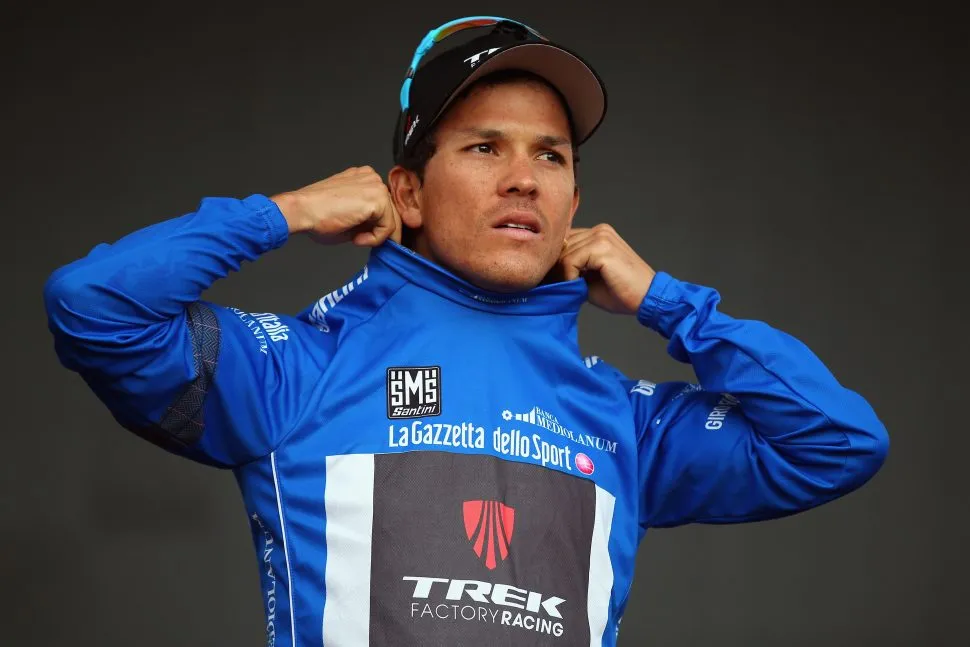
Julián Arredondo
 Bryn Lennon/Getty Images
Colombian rider Julián Arredondo was part of an unprecedented wave of Latin American talent. He had shot through the ranks on the Asian scene, having beaten WorldTour opposition at the Tour de Langkawi, and found himself at Trek Factory Racing in 2014.
Arredondo’s first season on the WorldTour was biblical. He won a stage at the Tour de San Luis – a race the streets won’t forget – and finished inside the top five at a very competitive Tirreno-Adriatico, won by none other than Alberto Contador. At his first Grand Tour, he claimed a stage win and the maglia azzurra awarded to the Giro’s best climber. That was hard fought, because he was all over the shop when it came to the mountain breakaways in what became a hugely successful Giro for Colombians.
The heights of 2014 were hard to follow up on, however. Arredondo failed to break into the top ten of any stage race the year after. Two top ten results on stages of the Tour de Suisse would prove to be his career highlight following that mind-blowing Giro. Trek soon dropped him, and Arredondo retired in 2017, aged 29
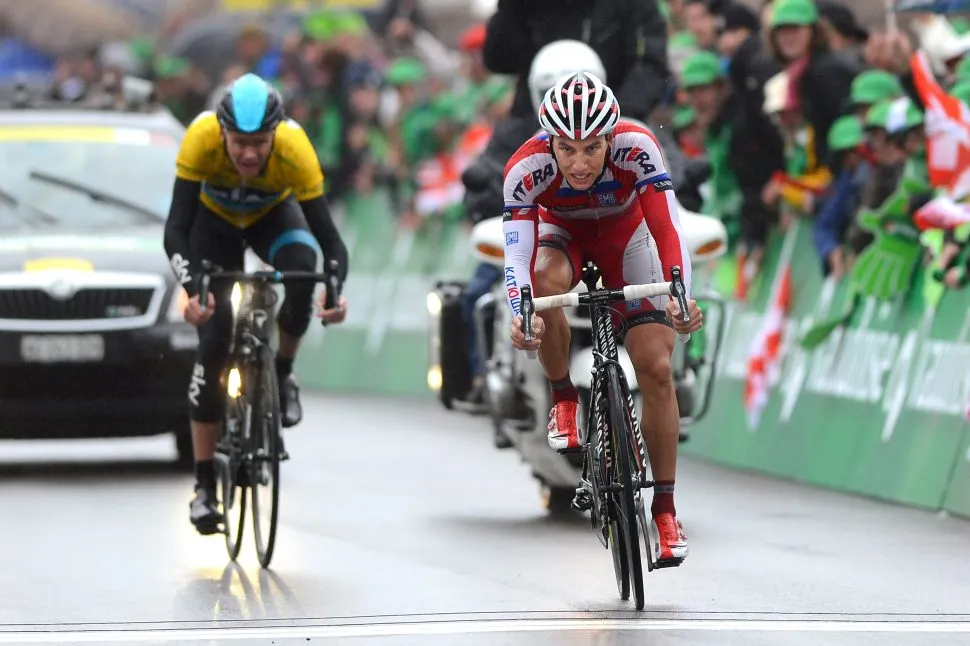
Simon Špilak
 Tim de Waele/Getty Images
Slovenian cycling may have hit its highest notes during the 2020s, but before we had Pogačar, Roglič and Mohorič, we had Simon Špilak.
I don’t know what it was about Switzerland, but Špilak was different gravy in the Helvetic Confederation. Maybe it was the chocolate, the cheese, or the high-tax lifestyle, but Spilak’s best moments came on Swiss soil. Seven of his 12 pro wins came in Switzerland.
They include stages and the overall title in both the Tour de Romandie and the Tour de Suisse, both of which he won during the 2010s. Špilak was no minnow at these races, which favoured his time-trial skills. At the 2015 Tour de Romandie, for example, Špilak overtook Chris Froome on the final day to secure a runners-up spot.
What made that aptitude for Switzerland so bizarre was Špilak’s apparent disdain for racing in Italy or even France. I mean, 87% of his WorldTour podium finishes were achieved in Switzerland. Intriguingly, the Katusha rider was a pure week-long specialist too, so he only ended up at five Grand Tours. He never broke the top ten of a Grand Tour stage, nor did he finish higher than 48th in the GC standings.
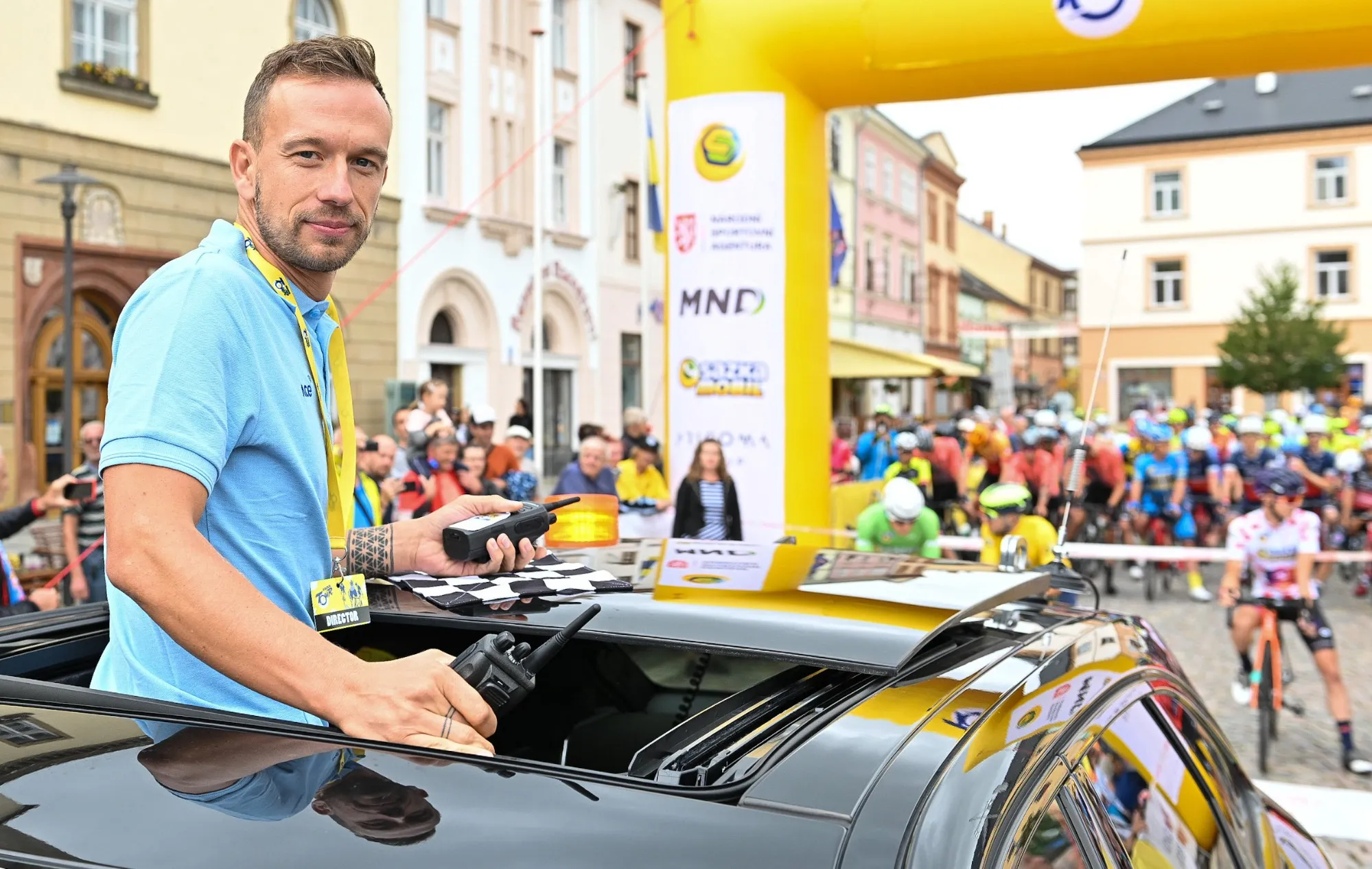
Leopold König
 Czech Tour
Whether you remember him as a GC underdog or as Chris Froome’s domestique, Leopold König is something of a cult name.
The Czech rider was the frontman for an exciting new ProTeam called Team NetApp – the origins of the current Red Bull-Bora-Hansgrohe squad. On the team’s Grand Tour debut, König led a strong GC campaign, culminating in a memorable stage win for the Czech rider at the 2013 Vuelta a España, the first for his team. After a ninth-place finish at that Vuelta, König rode a strong Tour the following year. He managed to climb up the standings to seventh overall, which justified NetApp’s Tour invite that year. I guess you could say König laid the path for Red Bull’s future rise.
Like many riders in the 2010s, König was swept off his feet by a big-money deal with Team Sky. There, he morphed into a top domestique within the team’s roster and, during his short two-year stint at the team, he supported Froome to Tour and Vuelta podiums, which is impressive given how forgotten König usually is in the Team Sky hall of fame.
König’s final years on the WorldTour were slightly odd, however. He moved back to NetApp, which had moved onto the top tier as Bora-Hansgrohe, and the Czech rider’s results suffered. He’d signed on a three-year deal, but injuries and health problems would rule him out of any races for almost two years. König never gave any comments to the media during this time, nor did he talk with his team boss Ralph Denk. While there was no official retirement announcement, his contract expired without renewal at the end of 2019.
Mark Padun
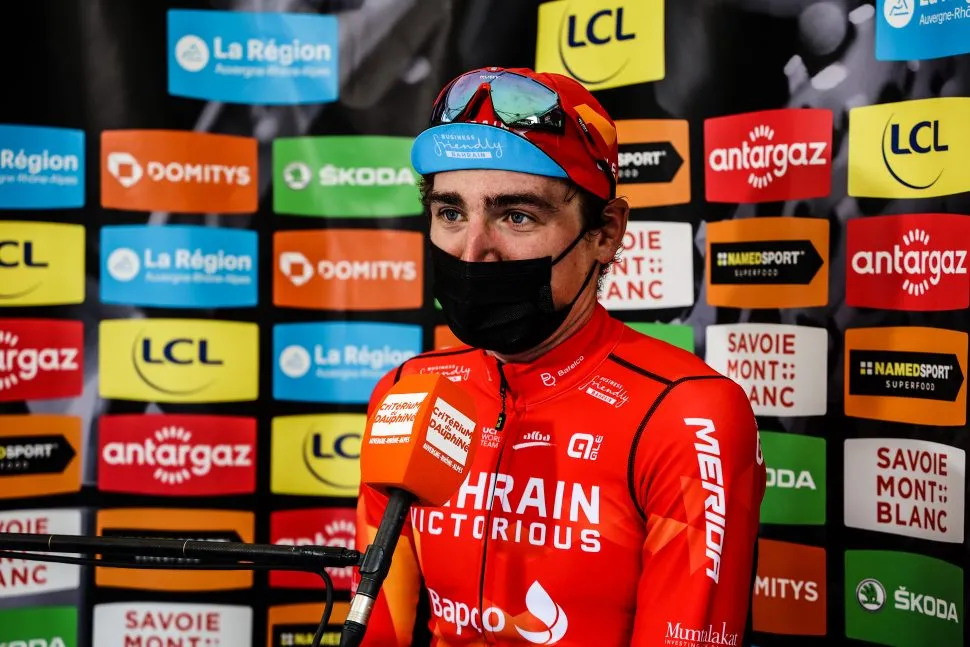 A.S.O./ Fabien Boukla
You just had to be there for the 2021 Critérium du Dauphiné. There were so many ‘streets won’t forget’ performances there, including GC Lutsenko – we still remember you – unbeatable Sonny Colbrelli, and a random sprint win from Geraint Thomas. Nevertheless, the race is remembered for Mark Padun more than Richie Porte, who actually won the race overall.
For two days of that race, Mark Padun was better than peak Eddy Merckx. This man was the GOAT.
On back-to-back mountain stages, Padun flew away from the pack and stole the honours on two summit finishes, including the queen stage no less. The performances were met with some surprise – and light scepticism – but Padun’s form over that weekend in the Alps was extraordinary. The guy had never won a WorldTour race before, and suddenly he had two.
Despite these incredible performances, the Ukrainian wasn’t sent to the Tour de France the following month. Instead, he was dropped by Bahrain Victorious. Padun retired just four years later, having moved from WorldTour’s EF to Solution Tech-Nippo on the second division. Padun’s home city, Donetsk, was on the frontline of the Russian invasion, and Padun was said to have difficulties with his weight and mental health. Understandably, he announced that he’d retire at the end of 2025.
Gianni Meersman
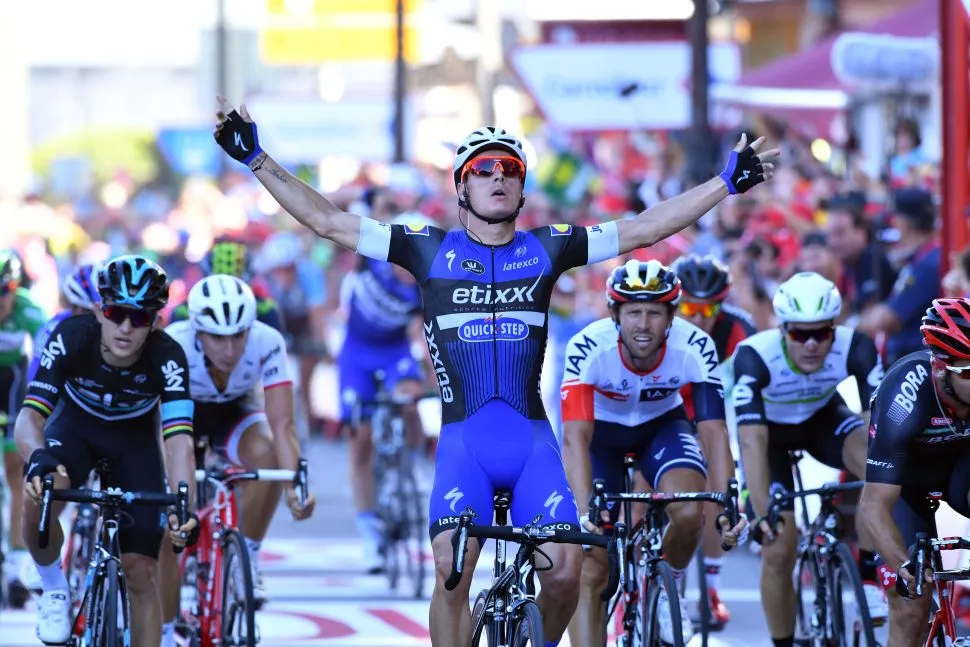 ASO/Unipublic/G.Watson
We often talk about the 2010s as the golden years of sprinting. Yet, during that time, there lived a silent killer who accumulated more WordTour wins between 2013 and 2016 than most.
Enter, Gianni Meersman. This Belgian won eight WorldTour sprints between 2012 and 2016, including several Grand Tour stages. Meersman struggled to stand out at Quick-Step, but he was one of those sprinters who thrived on gruelling finales. In the age of Sagan, he was often overshadowed, but Meersman got his time in the sunshine.
His magnum opus has to be the 2016 Vuelta. There, the Belgian bagged two stages, declared himself the best sprinter and wore the green jersey for a good chunk of the race. He then retired from the sport just a few weeks later at the age of 30, mind you. Talk about going out with a bang.
Meersman is now a sports director at Alpecin-Premier Tech, presumably cooking up Jasper Philipsen’s sprint tactics. As 2010s sprinters go, Meersman is one that’s most often overlooked (although Andrea Guardini or Sacha Modolo might have something to say about that).
Daniel Moreno
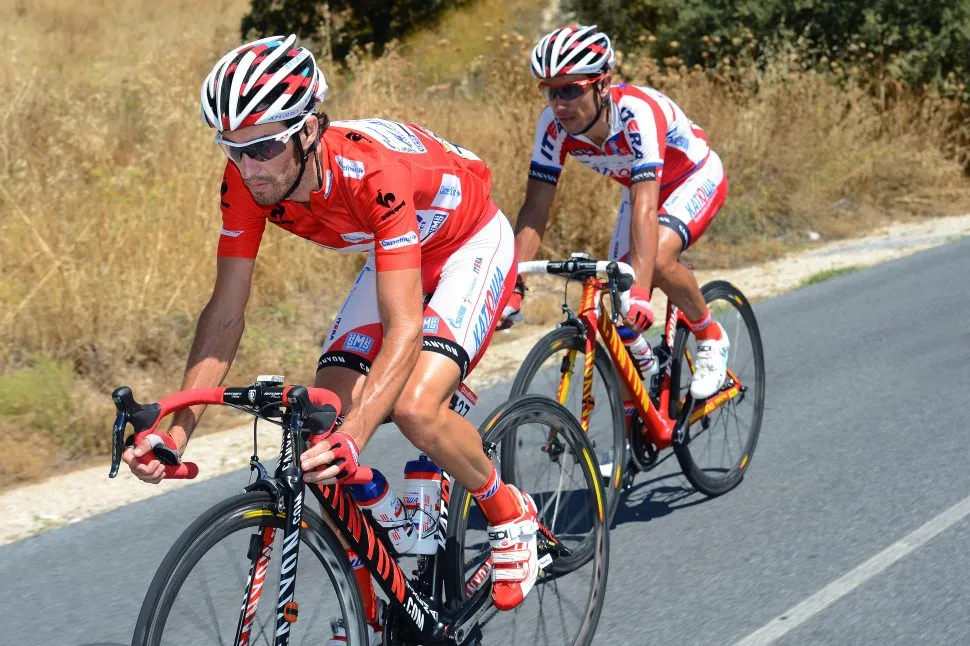 Tim de Waele/Corbis via Getty Images
When I’m asked who the riders were who got me into this sport, I’ll often say Joaquim Rodríguez. The streets certainly haven’t forgotten him. I’m sure the motorways still remember him. However, his right-hand man Dani Moreno always sticks in my mind.
Moreno was an absolute machine when it came to races in Spain. His stinging attacks and energetic style were often on full display at the Vuelta a España, a race at which he took three stages during his career. The most iconic I recall was the victory he claimed at the hellishly steep Valdepeñas de Jaén while wearing the green jersey during the 2013 edition.
Moreno often went toe-to-toe with Katusha teammate Rodríguez at the race, with Moreno playing a key role in Rodriguez’s near-perfect 2012 Vuelta. Given the Catalan’s place in the cult cycling psyche, I’m sure Moreno’s place on this list is guaranteed by association to cycling’s most adored nearly-man since Raymond Poulidor.
Like many Spanish talents though, Moreno seemed to have killed off his career after signing for Movistar in 2016. There, he was churned into a cookie-cutter domestique instead of the flashy puncheur he managed to balance so well with Rodríguez at Katusha. Nevertheless, he made the bizarre decision to retire with EF in 2018 – before they added pink to their jersey – and he turned to gravel in the 2020s.
Carlos Betancur
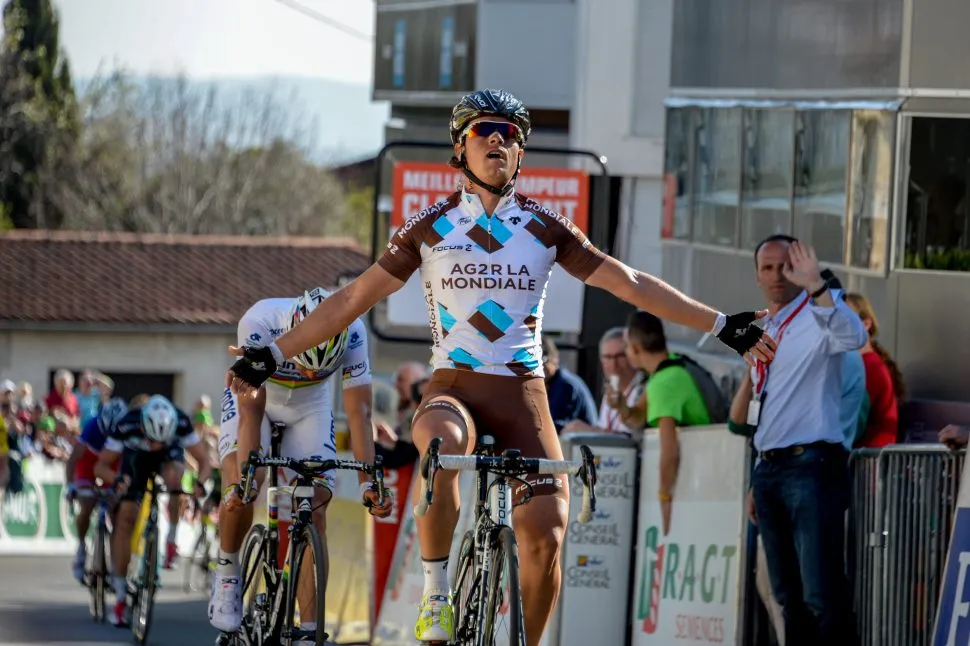 A.S.O./Pascal Perrève
Carlos Betancur was one of the most exciting prospects in world cycling in 2013. He smashed the 2013 Giro d’Italia, finishing in fifth place only because, like any good Colombian at the time, he was absolutely atrocious at time-trials. That fifth spot translated into a white jersey, and we all thought Betancur was about to become the next big thing.
His aggressive riding style and aptitude in the hills were rewarded at Paris-Nice in 2014, which controversially lacked any time-trials (believe me, this was controversial at the time).
There are several streets won’t forget performances from that race. I’m thinking of Moreno Hofland winning his only WorldTour sprint there, Tom-Jelte Slagter’s last WorldTour win and Arthur Vichot’s victory in Nice while wearing the French tricolour, but it was Carlos Betancur who captured our imaginations. The 24-year-old Colombian won back-to-back stages, sending him into the yellow jersey ahead of reigning world champion Rui Costa. It was peak Betancur that week, with the youngster on full blast for his punchy style and readiness to sprint on uphill finishes.
However, Betancur was a little tricky to manage. He was criticised by his AG2R bosses for spending too much time in Colombia, where he went a little off-script in terms of his training and nutrition. Apparently, he was one for disobeying team orders too, which led to a fall-out with the squad, resulting in an early departure from the team in the middle of 2015.
The remainder of Betancur’s career was pretty pedestrian. He moved to Movistar and he became another rider to get sucked into their effective mountain train during the 2010s.
Gianluca Brambilla
 RS/Tim De Waele/Corbis via Getty Images
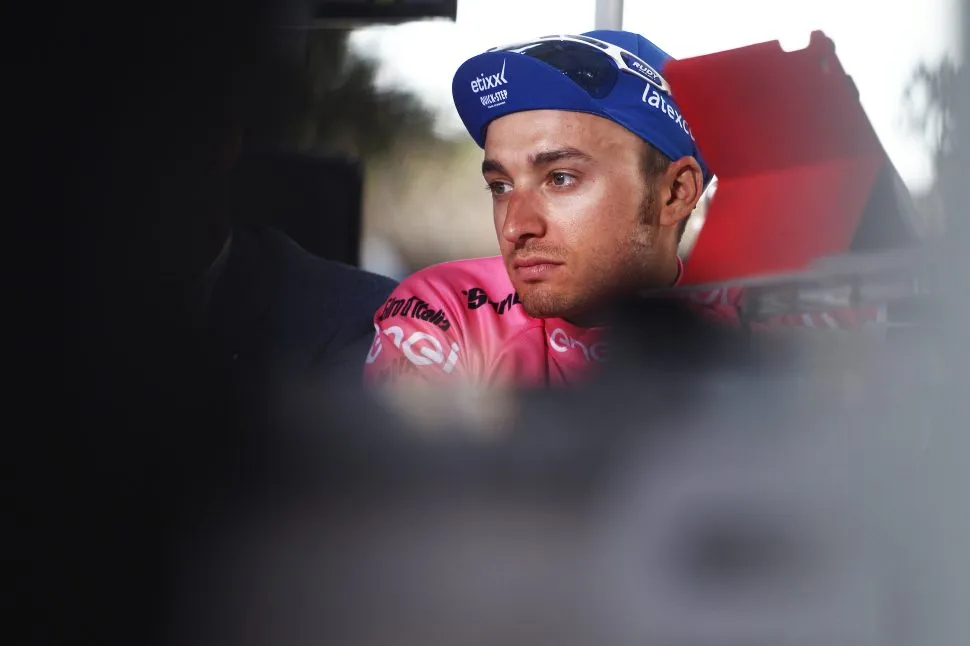
Brambilla’s on fire, your GC is terrified. I’m sure if we had chants in our sport, Giancluca Brambilla would have received the Will Grigg treatment in 2016, because the Italian puncheur was exceptional that season.
The Quick-Step rider started his mind-blowing year with wins in the Mallorca Challenge. The diminutive Italian then went on to ride an aggressive Strade Bianche, leading to a third-place finish while on decoy duty for Zdeněk Štybar. Yet the Giro a few weeks after saw Brambilla reach his greatest heights.
Brambilla made a canny move at the end of the first week to secure both a stage win and the maglia rosa. Every Italian rider’s dream, right?
That peak of form spread deep into the season, having been narrowly pipped to the Italian national title before another display of form at the Vuelta a España, where he took stage honours on perhaps the race’s most influential GC day. Not a bad way to top off an excellent season, and one that would be hard to top in the years to come.
Understandably then, the remainder of Brambilla’s career was a little uneventful. He moved to Trek, then to Q36.5, without any more Grand Tour exploits to his name. Regardless, his electric form throughout 2016 still lives on.
Ramūnas Navardauskas
 Tim De Waele/Getty Images
With a name that would score big in Scrabble, Ramūnas Navardauskas is another man to profit from his own golden years through the early 2010s.
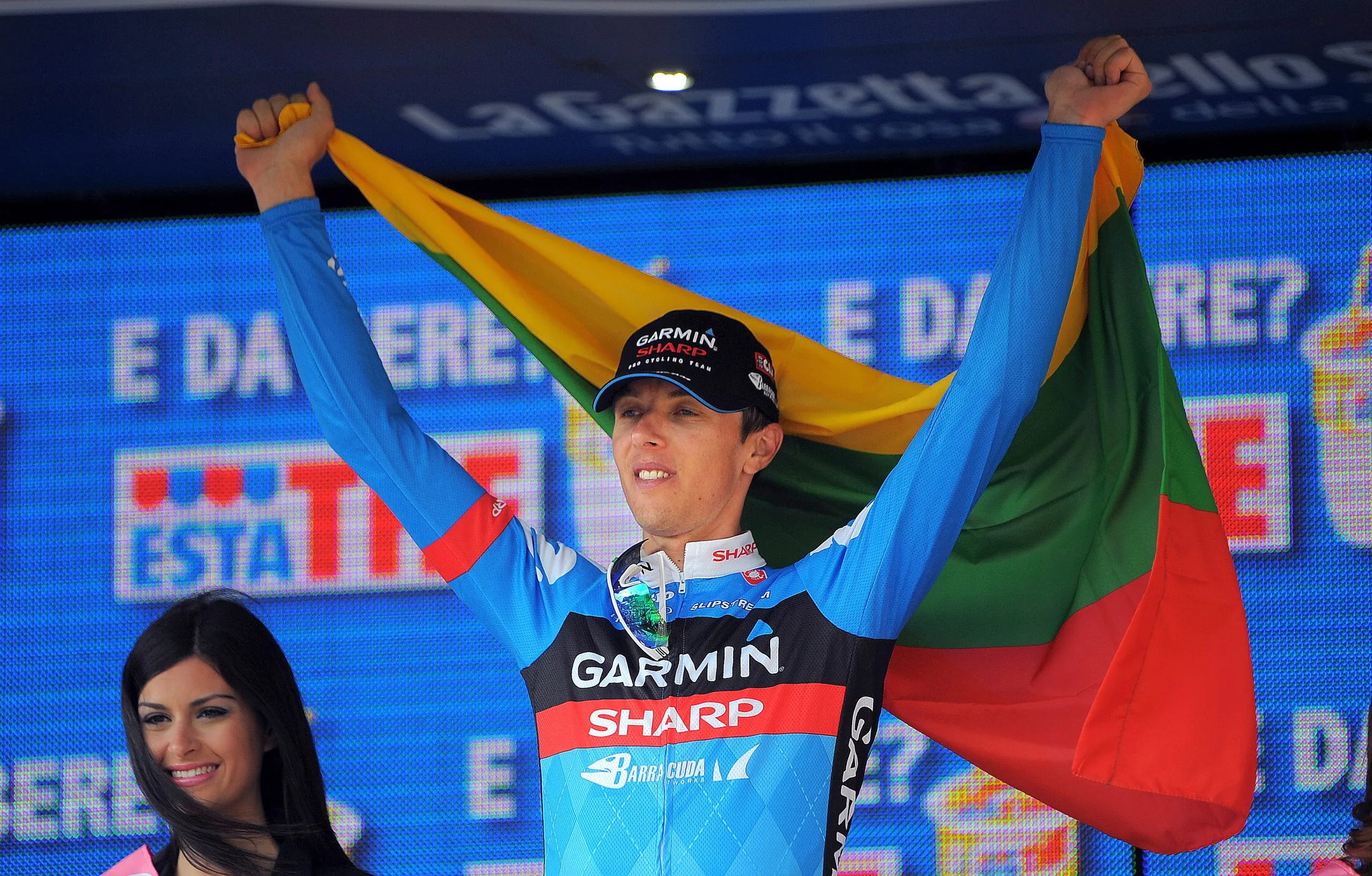
While riding for Garmin-Sharp, and the many team names they churned through, Navardauskas ended up in the pink jersey after his team smashed the TTT. Most people didn’t know he existed by that point, let alone spell his name, so that was certainly his breakthrough into the big ranks.
The following two seasons, he’d step up as something of a versatile sprinter, rouleur, breakaway kind of engine. Upon reflection, Navardauskas was always tough to place in a certain box, which is probably why he ended up being quite underestimated. That worked to his benefit though, as he picked up a Giro d’Italia stage in 2013 from the breakaway, and that then teed up a Tour de France stage victory the following year, having escaped from the bunch during a wet and chaotic finale.
Navardauskas’s Grand Tour peaks would only last a few years, but he managed to get a bronze medal at the World Championships in 2015 at least. That would be his last major result however, having moved across to Bahrain Victorious then the French second division. He was here for a good time, not a long time, let’s say that.
Enrico Battaglin
Battaglin is quite the name to have in pro cycling, although Enrico, born in 1989, has no relation to the Battaglin dynasty laid decades before.
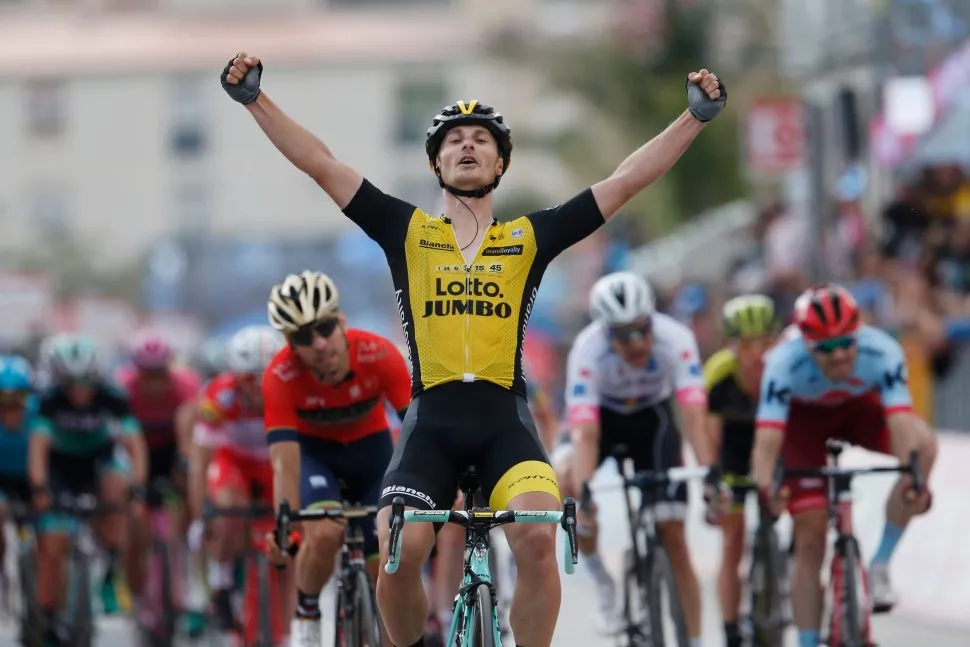
Regardless, this guy founded his own legacy in the sport by winning a grand total of three Giro d’Italia stages. All were in different editions, and on wildly different profiles. The most memorable for me would be his triumph atop Oropa in 2014, when he hoovered up the breakaway while making his last dash to the line.
This guy would be dormant all year until the Giro. That shows in his list of wins, which exclusively feature Giro stages since he joined his Bardiani CSF team in 2013. Indeed, this guy was on a wildcard team and managing to outclass WorldTour talent on a mix of profiles. Despite his record, it felt as though his wins would come from absolutely nowhere, which made them feel all the more sweet, especially for one of these second-division teams with more sponsor logos than sense usually.
That spark was rewarded with a couple of WorldTour contracts, including one at Lotto-Jumbo, with whom he won his final Giro stage in 2018. He retired at Bardiani in 2022, but his spirit lives on in my head. No one could quite master the impossible challenge of winning a hilly Giro sprint like this man.
Stefano Pirazzi
 Tim de Waele/Corbis via Getty Images
If you watched the Giro d’Italia during the early 2010s, the name Stefano Pirazzi will ring some bells. That’s not just down to its melodic cadence, but rather his permanent status at the forefront of affairs at those Giros.
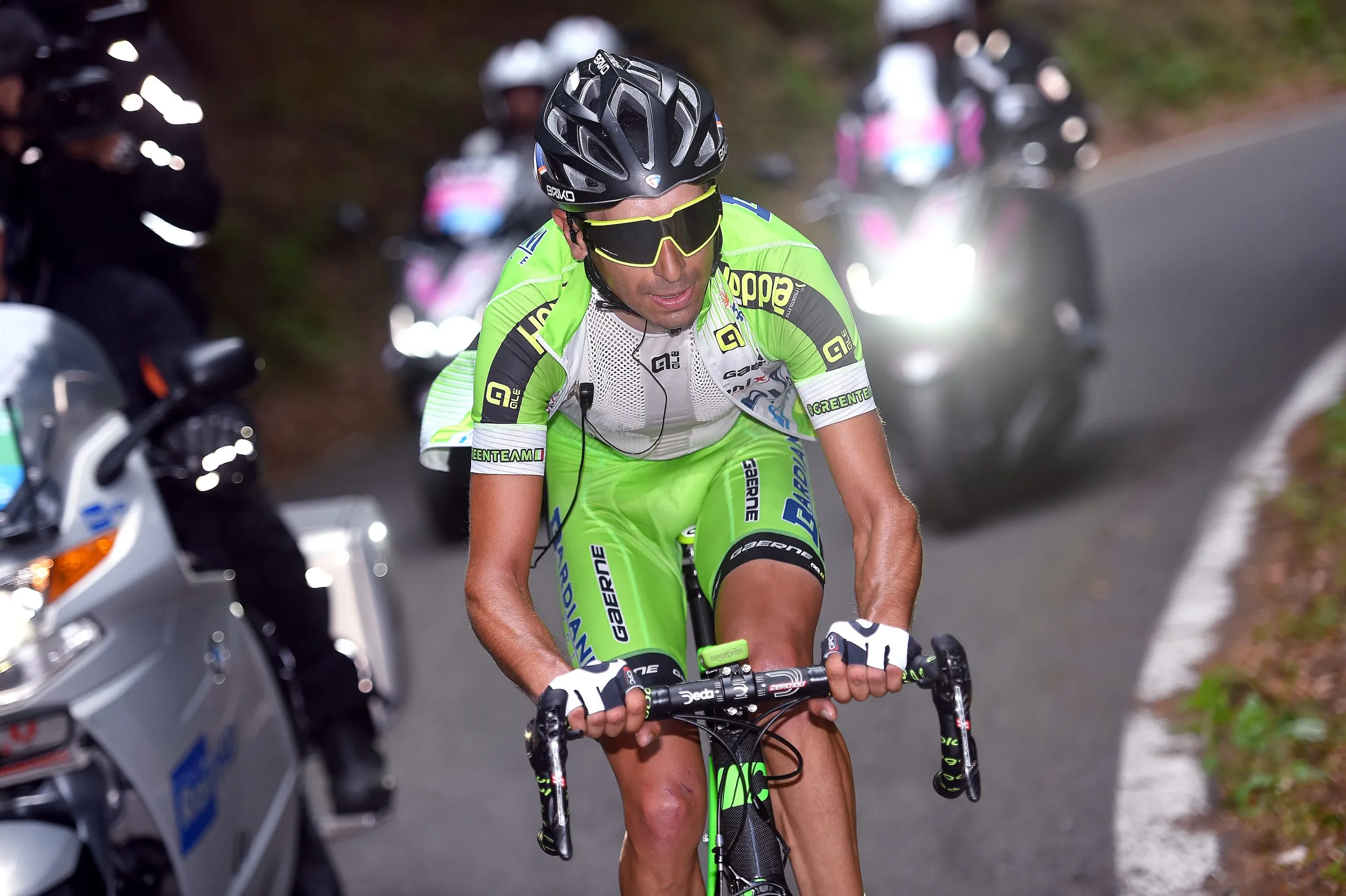
This guy had a PhD in getting into the breakaway, which is a useful skill for someone on an Italian wildcard team. This was rewarded with maglia azzurra victory at the 2013 Giro d’Italia, a second place the year prior and a mountains jersey at the 2012 Tirreno-Adriatico. Not only that, Pirazzi was rewarded with a stage win of his own after resisting the peloton on a bumpy stage of the 2014 edition.
Pirazzi embodied the Italian wildcards. He was aggressive, tactically boisterous, and fun to watch. It’s the kind of riding that I feel a lot of us miss these days.
Despite that, in true Italian fashion, Pirazzi returned a positive doping test just two days before the 2017 Giro d’Italia. These suspensions stretched into 2021, when he somehow managed to secure another contract on a Ukrainian Continental team. He’s not returned to the pro peloton in five years and hasn’t tweeted since the week of his positive test.
Jarlinson Pantano
 A.S.O./Kare Dehlie Thorstad
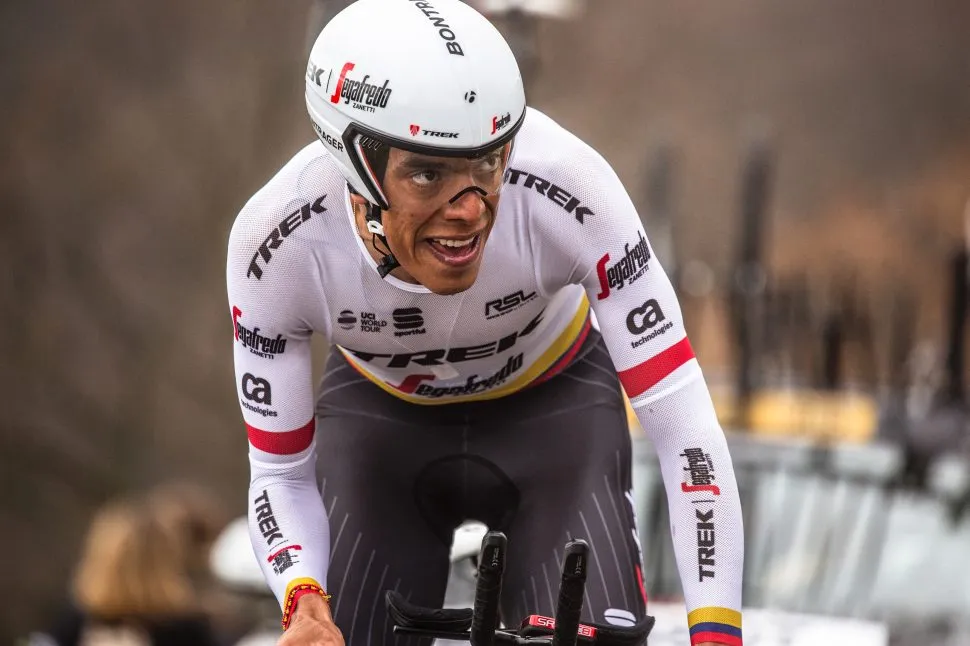
If you remember Julián Arredondo, you probably have a soft spot for Jarlinson Pantano, because this guy was essentially a rehashed version of Arredondo.
OK, it wasn’t quite his debut year at the WorldTour level, but Pantano’s 2016 season was something of dreams. He was a consistent character inside the top ten during the early-season stage races, but would take a step up at the Tour de Suisse by claiming the race’s final mountain stage, carrying him to fourth place overall.
At the Tour de France the following month, Pantano was Mr Breakaway. On a packed day of climbing through the Bugey, Pantano was entangled in a fierce breakaway fight for the stage win. The future King of the Mountains winner Rafal Majka pushed the Colombian on the final descent off the Grand Colombier, but Pantano held onto his wheel, leaving him with just enough left in the tank to overtake the Pole and claim IAM Cycling’s first and only Tour de France stage victory. One for the underdogs, you could say.
You know, 2016 Pantano was an absolute beast. As the French would say, ‘he made us vibrate’. However, that buzz wouldn’t last for long. The Colombian signed to Trek-Segafredo the following year, and soon found himself handed a doping ban for using EPO. His 2016 season remains intact, although he served a four-year ban, which ended in 2023. During his suspension, Pantano ran for public office, opened a bike shop, and subsequently had that bike shop raided during nationwide protests.
Tony Gallopin
 Tim de Waele/Getty Images
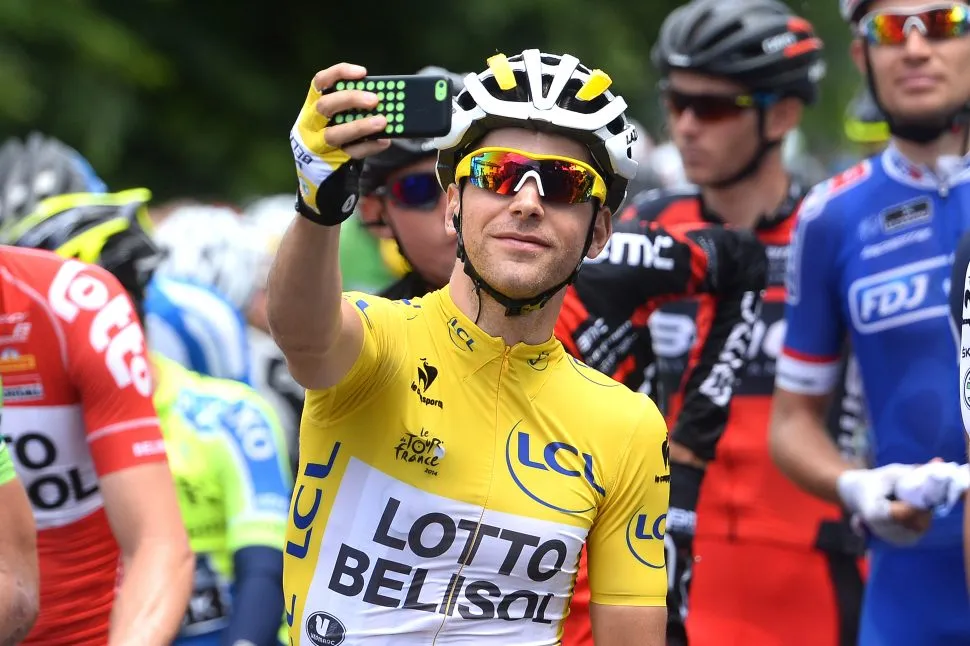
A man who made the French vibrate more than anyone else for a brief period was Tony Gallopin.
Gallopin’s rise through the ranks felt quite exciting at the time. As part of a new wave of French riders, who seemed to be positioned as either pure sprinters or climbers, Gallopin burst through by winning the Clásica San Sebastián in 2013. This confirmed our hopes for a new French puncheur, or as someone who acted like more of an all-rounder. Dare I say Thomas Voeckler 2.0.
That comparison however took on a new form at the 2014 Tour de France, when the 26-year-old rode into the yellow jersey at the end of the first week. It was a smart move too, with Gallopin’s tactic paving the way to becoming the first French rider to wear the yellow jersey on Bastille Day since 2011. While he only got to wear the jersey for one stage, Gallopin remained toward the top of the GC for the following week, culminating in a stage victory in Oyonnax.
Gallopin at his best was someone who could really prove a nuisance on most terrain. I’m sure if teams cared more about UCI points in the 2010s, Gallopin would have been considered a lucrative points scorer. Lord knows that’s what his former Lotto team needs these days.