
I recently went to lunch with two of my oldest female friends. As it often does, the conversation turned towards family and parenting: how our kids and partners were doing, and most importantly, how we were navigating the eternal balancing act of working, taking care of ourselves, and remaining vigilant over the emotional development of our children (we’re deep thinkers in this bunch).
Among other things, one major theme that came up was this: Parenting at our age often involves raising children, reparenting ourselves, and renegotiating the relationship with our aging parents in ways that dredge up decades of emotional baggage from our own childhoods.
Understanding the Emotional Caregiving Sandwich
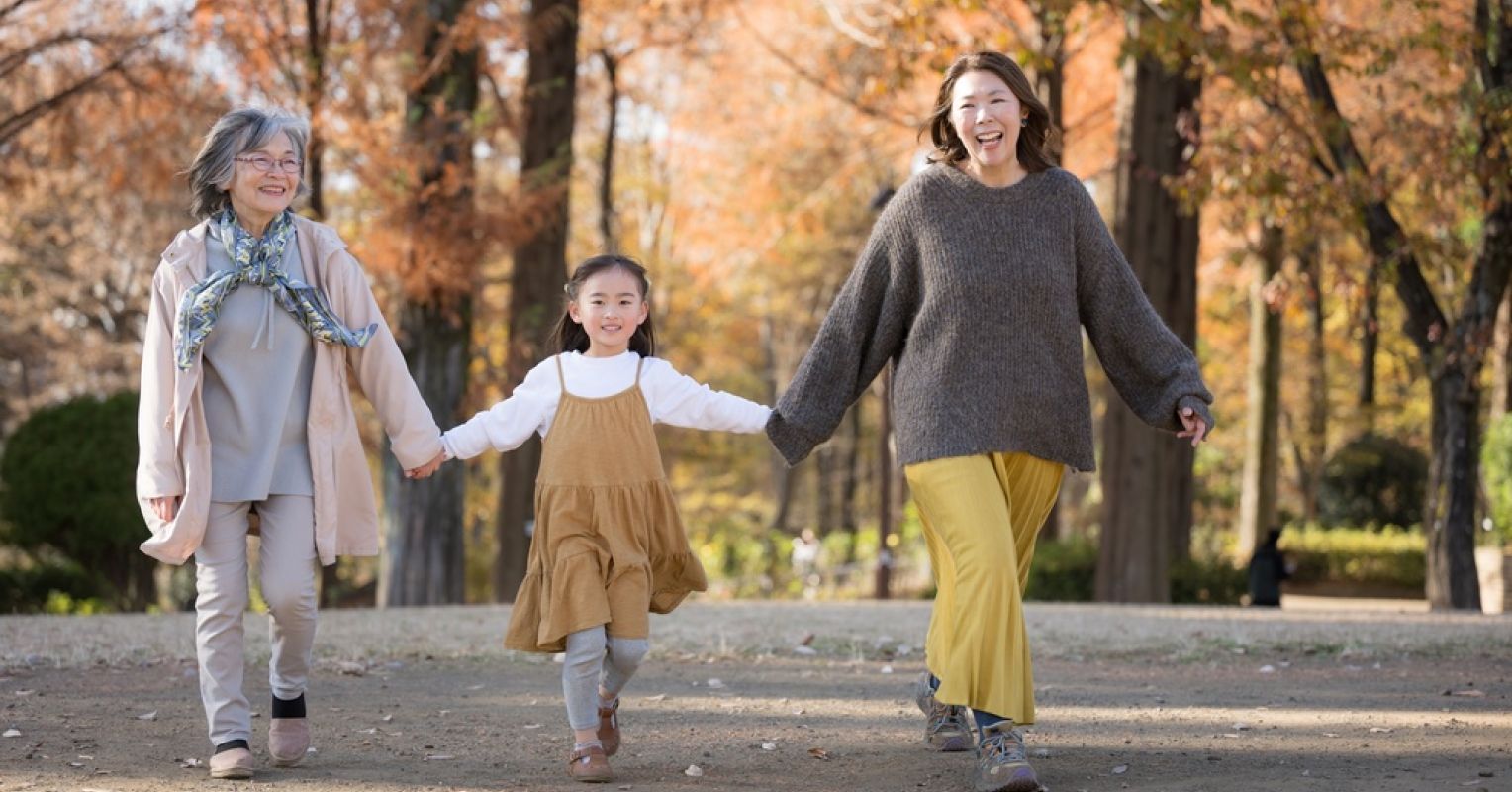
The term “sandwich generation” was coined by social workers Dorothy Miller and Elaine Brody in the 1980s to describe women in midlife who were not only caring for children but also their elderly parents. While this has been a long-standing trend, the COVID-19 pandemic sent women’s caregiving responsibilities into overdrive, as many women were simultaneously working, acting as stand-in teachers (if they were able to work from home), and doing the work of parenting—often with little help from grandparents or the greater community because they didn’t want to risk infection. This gap was particularly egregious for women of color with lower incomes, who traditionally do the majority of low paying care work—work that tends to be highly physically and emotionally taxing and that offers few job protections (Kantamneni, 2020).
Though the acute crisis that COVID-19 presented has abated, the gaps that were exposed still serve as gaping holes in our social safety net. Even in less turbulent times, caring for both younger and older people—while also trying to feel like our best selves when our heads hit the pillow at night—is breaking us.
It is the emotional aspect of this sandwich that women in midlife are stuck in—especially those of us who grew up parentified, meaning we had to take on parenting/caregiving roles much earlier than was developmentally appropriate. Wounds from childhood parentification can show up when raising children, caring for your parents or within your relationship with your partner. If this was your experience, you are likely actively fighting not repeating unhealthy patterns with your children, accessing the painful parts of your childhood in therapy, and managing what might be the continued dismissiveness of your experiences from your parents. Admittedly, it’s a lot of pressure.
The Emotional Work of Caregiving Continues to Be Female
As emotionally involved as some male partners can be, emotional caregiving is still often seen as “women’s work.”
One topic that often comes up in those conversations with my female friends is, “Do men worry about this stuff like we do?” Truthfully, I think it’s the wrong question. Instead, I think we have to ask ourselves: As a society, do we encourage men to take a stake in the caregiving through our policies so that their emotional engagement and involvement with their children has a change to thrive?
In the United States, there is no paid parental leave. When companies decide to offer it, mothers are often the only parent allowed any extended leave at all—and in heterosexual couples, the balance of household labor continues to be tipped towards women (Daminger, 2025).
As you can probably guess, my question is somewhat rhetorical. When systems are not built to support equal participation in caregiving, the majority of it continues to fall to women.
Taking Care of Ourselves
As the responsibilities pile up and the exhaustion mounts, it’s important for us as caregivers to address the things we need to do for ourselves that feed our souls. Restorative time off (not using your PTO to simply “get things done”!), quality time with the special humans in your life, and reconnecting with the pieces of your identity that get lost in the shuffle of so much responsibility are essential tasks.
Realistically, sometimes relaying your experience with people who have a shared history with you is the best you can do in terms of self-care on any given day. Don’t skip it.