
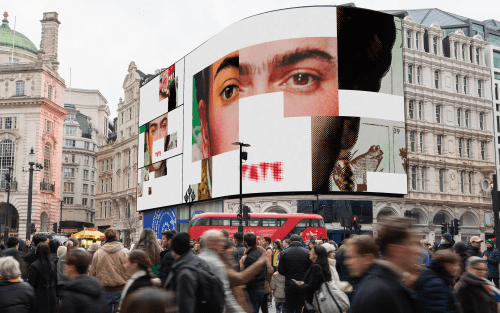
‘Fridamania’, explains art historian Alyce Mahon, was coined after the 1982 exhibition of Kahlo and Tina Modotti at the Whitechapel Gallery in London, when its curators, Laura Mulvey and Peter Wollen, noted ‘how the “cult” of Frida was built not just round her art but her life story as a “suffering” artist which lent her a kind of saintly status, like a martyr.’
This quasi-religious devotion persists – the Tate dedicates a whole gallery to the resultant, often kitsch, merchandise – but her fame undeniably rests on talent, too: ‘She had the ability to fuse European and Mexican iconographies and techniques in a highly original and captivating way,’ Mahon says, ‘whether in a self-portrait, an image of the trauma of miscarriage, or a portrayal of how Mexico was being destroyed by American capitalism.’ Kahlo was a committed communist, and, for a brief time, Trotsky’s lover.
Last year, Kahlo’s market reached new heights when El sueño (La cama) (1940) sold at Sotheby’s for USD 54.7 million, the most ever paid at auction for a work by a woman (it was bought in 1980 for just USD 51,000). But supply is limited. Kahlo created fewer than 150 paintings, many now held in museums, and her art is designated a national monument in Mexico, meaning works already in the country cannot be exported. Major paintings rarely appear on the market, and the value sits in just a handful of trophy lots.