

Trusley, three miles west of Derby, has ancient roots but its number of residents is dwindling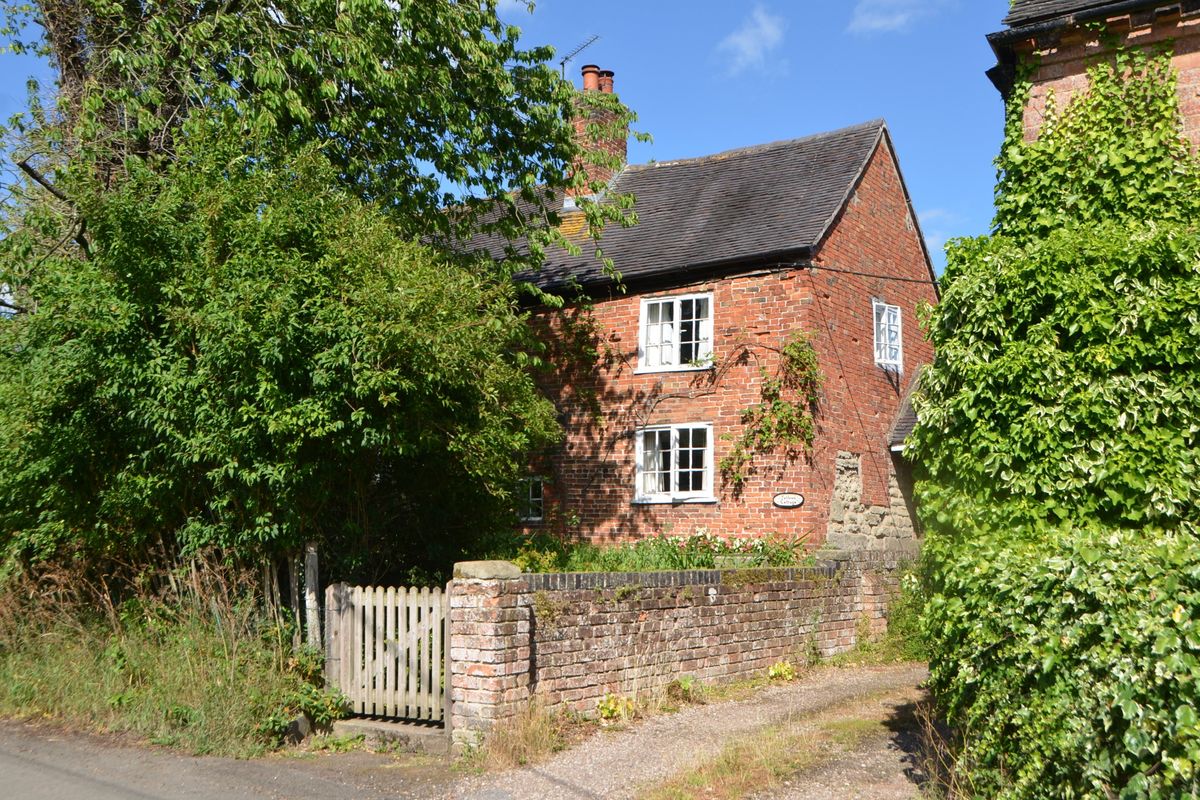
One of the homes owned by the Trusley Estate in the diminutive village of Trusley(Image: Mike Lake)
There are fears for the survival of a tiny Derbyshire village which has gone virtually unchanged for decades – and is now said to be down to just 14 adults.
Trusley, in the countryside around three miles west of Derby, has ancient roots tying the diminutive village back to the Domesday Book of 1086.
However, there are now said to be just 14 adult residents living in the 18 houses in Trusley, with numerous homes long-term vacant and in need of significant upgrades, along with two AirBnB holiday lets and operational farms.
This is said to be down to a mix of people dying, children moving away when they reach adulthood and estate housing being left vacant once tenants leave.
Many of the houses in the village – which would be a tiny hamlet if it was not home to All Saints Church – are owned and maintained by the Trusley Estate, the inheritance of the Coke-Steel family stemming back 600 years.
The estate’s trustees have now filed an application to South Derbyshire District Council for the conversion of seven of the houses it owns in the village into sprawling hotel accommodation catering for up to 46 people across 23 bedrooms.
This includes 1 and 2 Taylors Lane, Eaton’s Cottage, Lane End Cottage, The Courthouse and Trusley Manor.
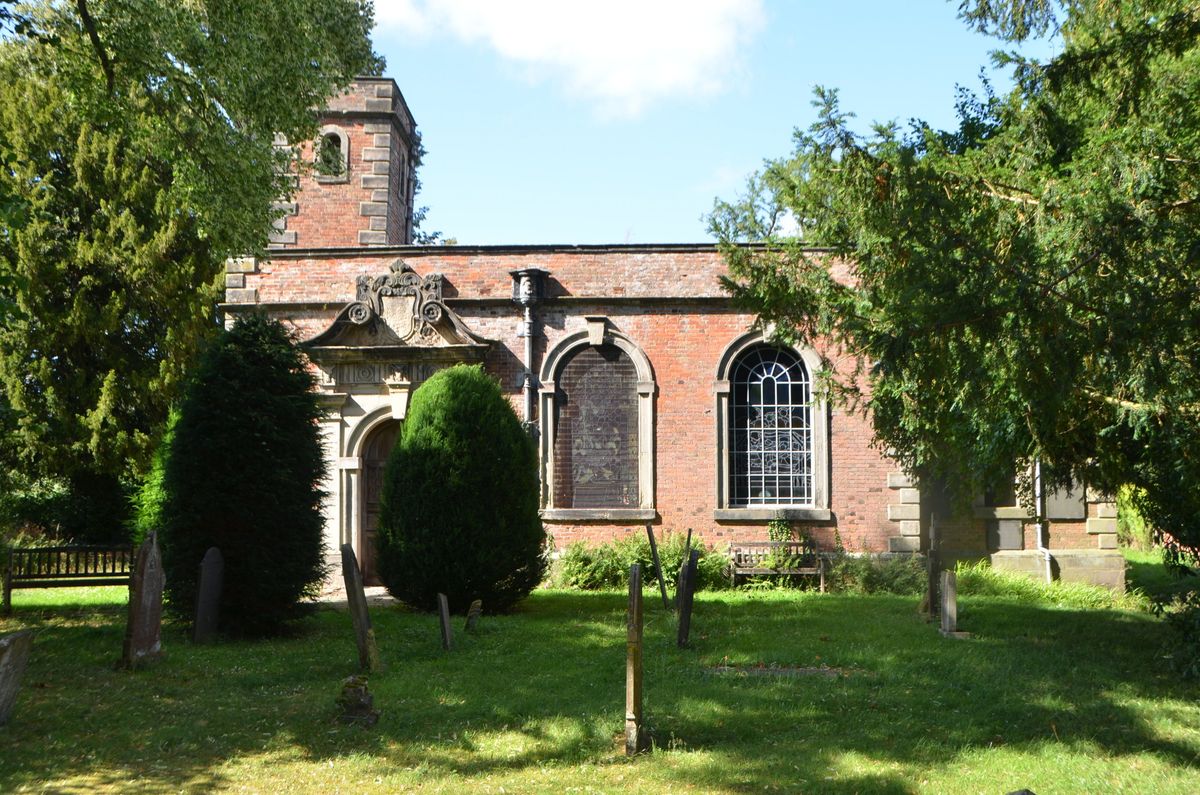
All Saints Church in Trusley, Derbyshire, which promotes the settlement to village status despite its size(Image: Mike Lake)
Residents say this would lead to the loss of all rented homes in the village and 60 per cent of available houses.
A statement submitted to the council said: “The scheme seeks to safeguard the future of the village by upgrading and repurposing existing properties to form overnight accommodation.
“This will ensure the long-term preservation of the existing character of the village by bringing vacant and underutilised properties back into a viable and managed use.
“This will help to enhance the rural economy through job creation from sustainable tourism, while generating awareness of the history of the village and ensuring the ongoing protection of the historic asset.”
Residents detail that Trusley’s historic estate is one of Derbyshire’s oldest and smallest conservation areas, designated in 1968.
Mike Lake, who has lived in Trusley for 40 years, told the Local Democracy Reporting Service: “Everyone welcomes the restoration of the buildings but the change of use will destroy Trusley as a community.
“The proposal would renovate seven properties owned by the Trusley Estate, 60 per cent of the total dwellings in the village, and change their use from family homes into 23 hotel rooms.
“The centre of Trusley would become overnight accommodation principally serving guests attending the nearby Grangefields wedding venue.
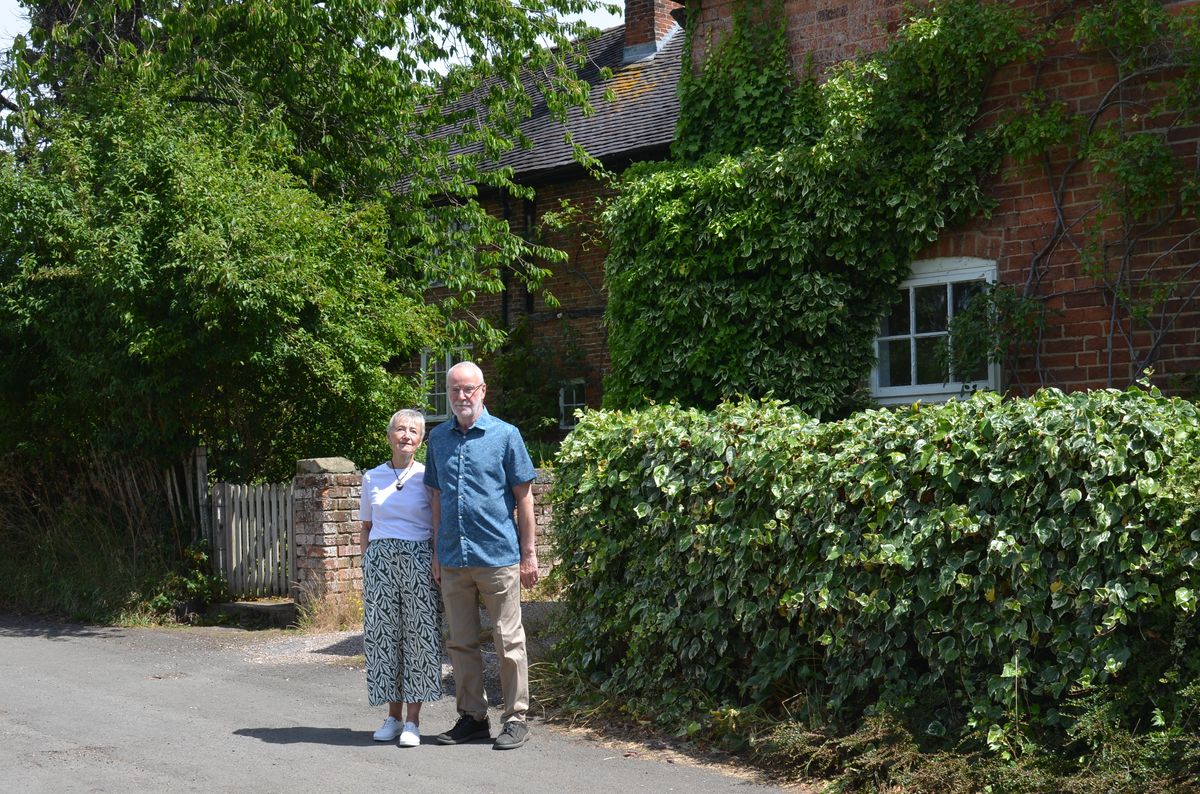
Mike and Barbara Lake in tiny village of Trusley, Derbyshire(Image: Mike Lake)
Mr Lake, who ran a software company in Egginton before retiring, said: “Historic buildings undoubtedly matter, but conservation areas were designated to protect more than buildings.
“They protect the character of historic places, including the way they continue to function as living communities.
“What saddens us is the thought that future generations may know Trusley only as somewhere people arrive, spend a night, then leave, rather than as a place where people build their lives.
“Across England, increasing numbers of rural communities are grappling with the effects of holiday accommodation, second homes and changing patterns of land ownership.
“The Trusley application raises the wider question of whether a Conservation Area can retain its historic significance if its permanent residential community disappears.
“Everyone agrees the old buildings in Trusley should be looked after, but should it be at the expense of losing homes?” said Mike.
“We hope the council rejects the change of use in favour of keeping life in the village.”

The village of Trusley is home to a small amount of homes and this number could soon be reduced further(Image: Mike Lake)
A report submitted to the council says: “The change of use would not preclude the return of the properties to independent residential use if ever required.
“The scheme will ensure the repair and sympathetic modernisation of important heritage assets. The change of use will enable the public to experience, understand and have a greater awareness of the historic context of the village and its heritage.
“The proposal will rationalise parking, facilitate coordinated estate-led repairs, and remove unsympathetic additions to Listed Buildings.
“The scheme will use coordinated investment enabling public benefits from the employment it creates, the public engagement it fosters, the operational controls it provides and the active stewardship it sustains.
“These are all outcomes the status quo cannot deliver.
“The visitor accommodation model offers the village a viable, sustainable and conservation-led future that is consistent with the Trustees’ long-standing commitment to the preservation of the village.”