
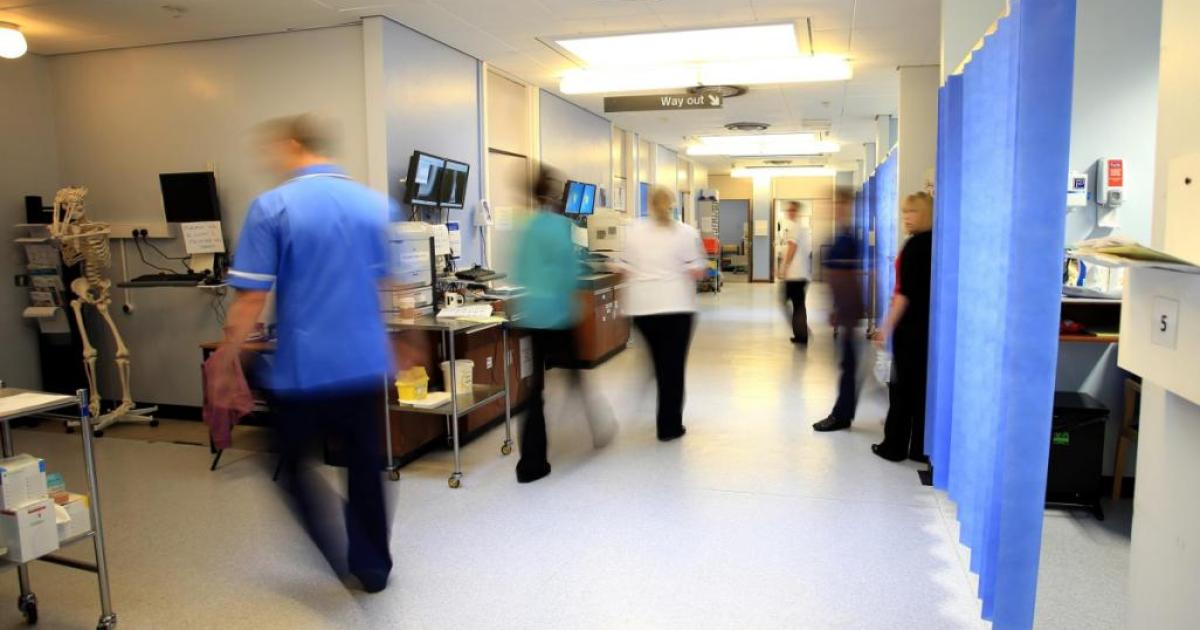
The Care Quality Commission (CQC) rated leadership at the Trust as “requires improvement” following its first inspection of leadership since the trust was formed, carried out in October and November.
The trust delivers community and inpatient mental health services to around two million children and adults across Hampshire and the Isle of Wight.
Serena Coleman, CQC deputy director of mental health in the south, said: “When we inspected Hampshire and Isle of Wight Healthcare NHS Foundation Trust, we found the trust had undertaken significant work to bring together the predecessor organisations into one new organisation.
READ MORE: University Hospital Southampton appoints new chief executive
“However, some cultural and governance aspects of this transformation hadn’t fully embedded, or reached frontline services, and this was impacting staff morale.
“Staff told us leaders weren’t visible and described a disconnect between clinical and non-clinical staff.”
The trust was formed in October 2024 following a merger of Southern Health NHS Foundation Trust and Solent NHS Trust, along with the acquisition of some services from Sussex Partnership NHS Foundation Trust and Isle of Wight NHS Trust.
CQC inspectors identified a number of risks and areas for improvement.
Nearly 20 per cent of staff said they would be reluctant to raise concerns, fearing retribution or believing concerns would not be acted upon.
Inspectors also found that systems, policies, and processes were still under development and not yet fully embedded, which in some cases created risks.
For example, delays in finalising the organisational structure meant learning from safety incidents was not always shared in a timely way, putting people at risk of repeat incidents.
READ MORE: Southampton hospital wins national award for patient engagement
The trust was also found to be using multiple incompatible electronic systems, increasing the risk of losing important clinical information and making it harder for staff to complete mandatory training.
Ron Shields, chief executive of Hampshire and Isle of Wight Healthcare NHS Foundation Trust, said: “The CQC’s findings reflect where we are as an organisation that has made strong headway following a large and complex merger, with more to do to embed consistent leadership, systems and processes that enable our staff to deliver the best possible care.”
Inspectors did also note examples of positive care.
Feedback about staff was overwhelmingly positive, with people saying staff involved them in decisions about their care and often went above and beyond.
Carers also reported regular communication and involvement in key meetings.
The trust worked effectively with primary and social care partners to support positive outcomes for patients.
Mr Shields said: “Most importantly, the CQC heard overwhelmingly positive feedback from patients and carers about the care they receive.
“This reflects the professionalism and commitment of our staff and the strength of the services they deliver.
“These findings will help us continue improving and developing the way we work.”