
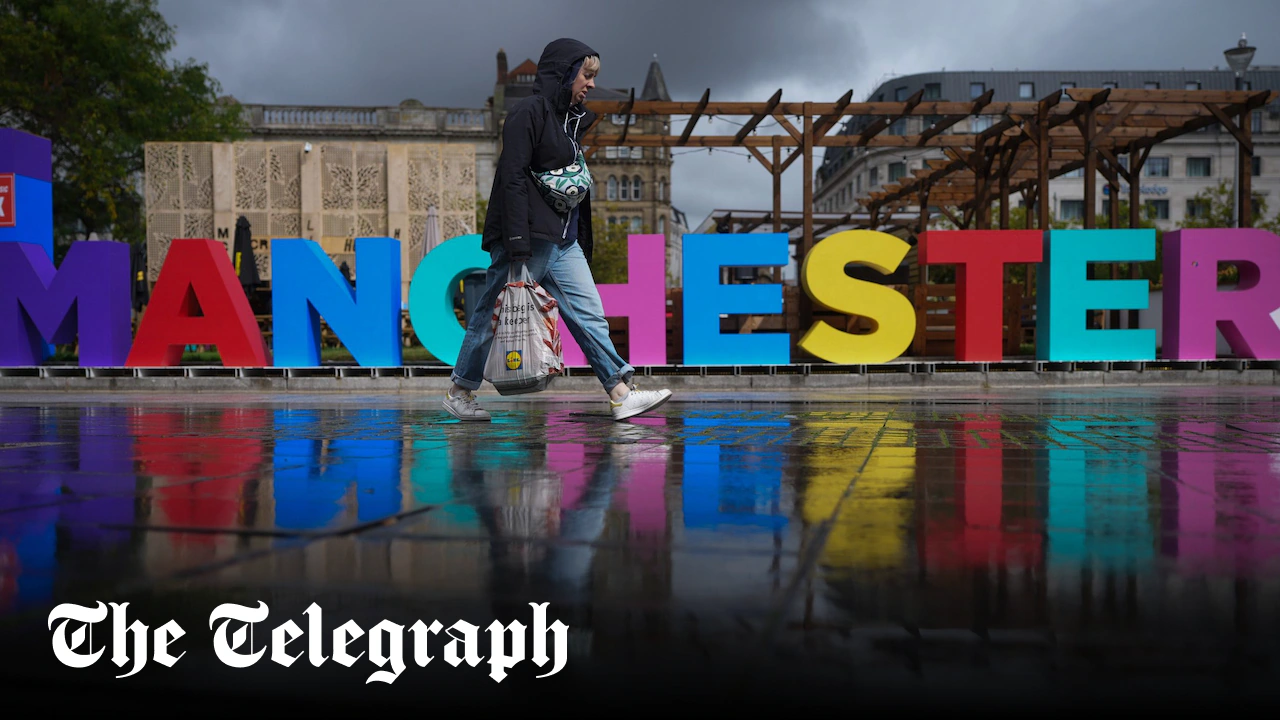
The figures also reflect the immediate period after the Covid pandemic, when Manchester may have seen a larger unwinding of government policies such as the furlough scheme, she said.
Longer-term, between 1997 and 2023, Manchester still recorded the steepest rise in living standards of any major city in the UK, with real disposable incomes per person climbing by 40pc.
But real disposable incomes per person in 2023 were still just £16,500, which is less than Sheffield, Newcastle and Liverpool and 41pc lower than in London, where the average was £27,900.
The study reveals the effects of both Covid and Russia’s war in Ukraine on UK households.
Soaring prices in the wake of the 2022 energy crisis meant inflation outpaced nominal wage growth, pushing down real incomes in all major cities between 2021 and 2023, the report showed.
Higher tax rates also reduced take home pay across the country.
Ms Hale said: “This big thing that was going on here was price inflation exceeding income growth, which was happening across all regions, and it wiped out a few years of income growth, and Manchester had previously been growing quite fast.”
According to the Resolution Foundation, second behind Manchester for the biggest drop in living standards was Sheffield, where real incomes fell by 6.1pc.