
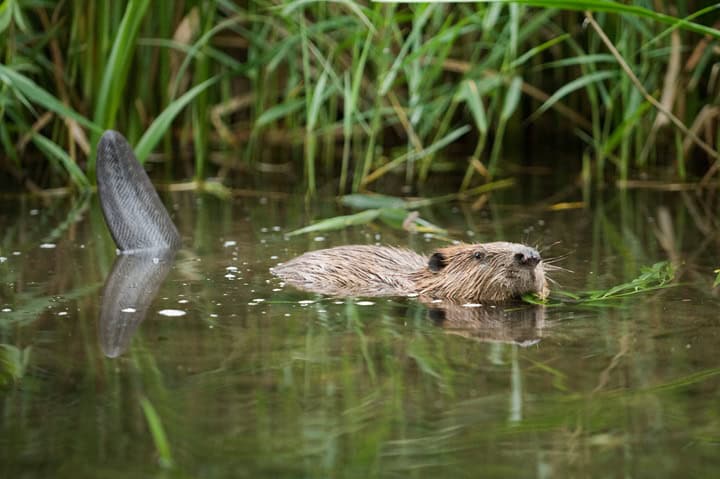
 Protecting the beaver population Photo Terry Whitaker
Kent Wildlife Trust has secured £1.28 million in government funding to help some of Kent’s most vulnerable wildlife recover over the next three years.
The investment will support major conservation projects across the county, including strengthening the River Stour’s nationally important beaver population.
The funding has been awarded through Natural England’s Species Recovery Programme (SRP), backed by Defra, as part of the Government’s Wild Again: Restoring England’s Wildlife campaign.
Kent Wildlife Trust will lead two key projects and support a wider programme of species recovery across the county.
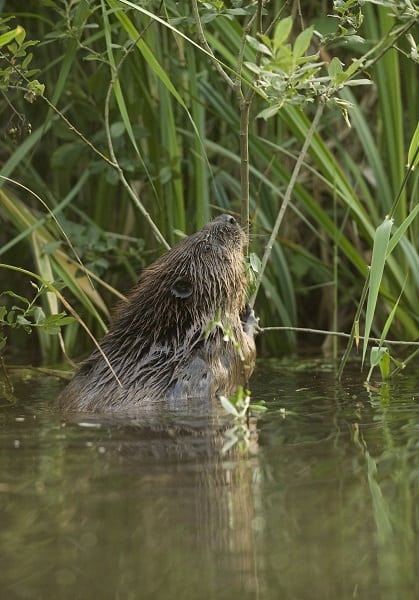 European beaver (Castor fiber) feeding on willow at Ham Fen Nature Reserve Credit Terry Whittaker
The River Stour is already home to England’s largest population of wild beavers, and this funding will help secure its future. Led by Kent Wildlife Trust, the project will strengthen the genetic diversity and long-term resilience of the beaver population through carefully managed wild releases, while creating a nationally significant model for beaver coexistence.
This will include working with more than 250 landowners, farmers and local organisations to develop practical ways for people and beavers to live alongside one another, restore riparian habitat, and create solutions that can benefit communities in Kent and inform beaver management across England.
The work will be delivered in partnership with Beaver Trust, South East Rivers Trust, the East Kent Beaver Advisory Group, the North East Kent Farmer Cluster, the University of Kent (Durrell Institute of Conservation and Ecology) and Natural England.
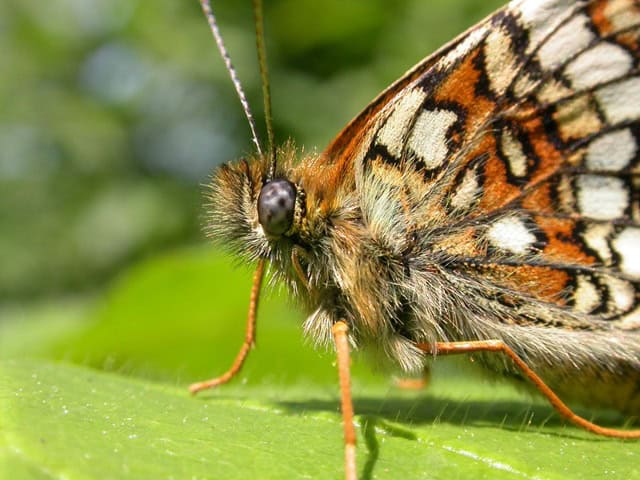 Heath fritillary butterfly Photo KWT
Other schemes will include working alongside Butterfly Conservation, the RSPB, the University of Kent (Durrell Institute of Conservation and Ecology), and Natural England, at The Blean where Kent Wildlife Trust will survey six nationally scarce species – including four spiders and a beetle – to better understand their distribution and habitat needs.
The project will also focus on the heath fritillary butterfly, one of the UK’s rarest butterflies and a flagship species for the Blean woodland complex.
There will also be work to help the turtle dove population to recover.
Once a familiar sight and sound of the Kent countryside, turtle dove numbers have declined dramatically in recent decades. Led by the RSPB and in partnership with Natural England and Marden Wildlife, the project will help improve understanding of where the birds are now and support conservation work in the places where they have the greatest chance of recovery.
Kent Wildlife Trust is also supporting the recovery of a number of other threatened species, including:
Safeguarding the Dusky-lemon Sallow moth, led by Kent County Council Plan Tree and in partnership with Kent’s Plan Bee, Royal Botanic Gardens Kew, Butterfly Conservation, Kent Countryside Partnerships, The Tree Council and local conservation partners.Ensuring the Future of Threatened Moths, led by Butterfly Conservation.Wart-biter cricket recovery, led by Buglife.Red-billed chough reintroduction, led by Wildwood Trust.Water vole recovery, led by Waterlife Recovery Trust.Nightingale recovery. The British Trust for Ornithology is leading a national Species Recovery Programme project on nightingale with Adonis Blue Environmental Consultants (ABEC) as core partner. Kent has the most nightingales in the country so has an important role to play in the species’ recovery.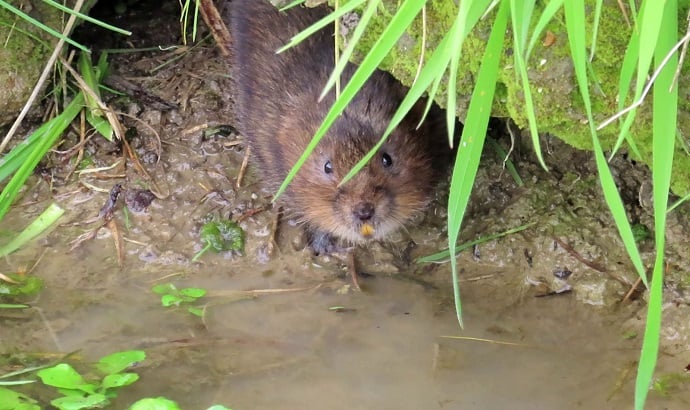 Footage of the water vole at Cliffsend from filming by Keith Ross, Nik Mitchell and Richard Taylor-Jones
Paul Hadaway, Director of Conservation and Engagement at Kent Wildlife Trust, said: “This investment recognises just how important Kent is for some of England’s most at-risk wildlife. It gives us the opportunity to strengthen our nationally important beaver population, deepen our understanding of some of England’s least known woodland invertebrates, and create the conditions for them to recover and thrive.
“By working alongside landowners, local communities and conservation partners, we want to see more resilient wildlife and the return of species that have declined across our county. The knowledge we gain here in Kent won’t just benefit local wildlife – it will help shape species recovery across England.”
To find out more about Kent Wildlife Trust’s species recovery work visit www.kentwildlifetrust.org.uk