
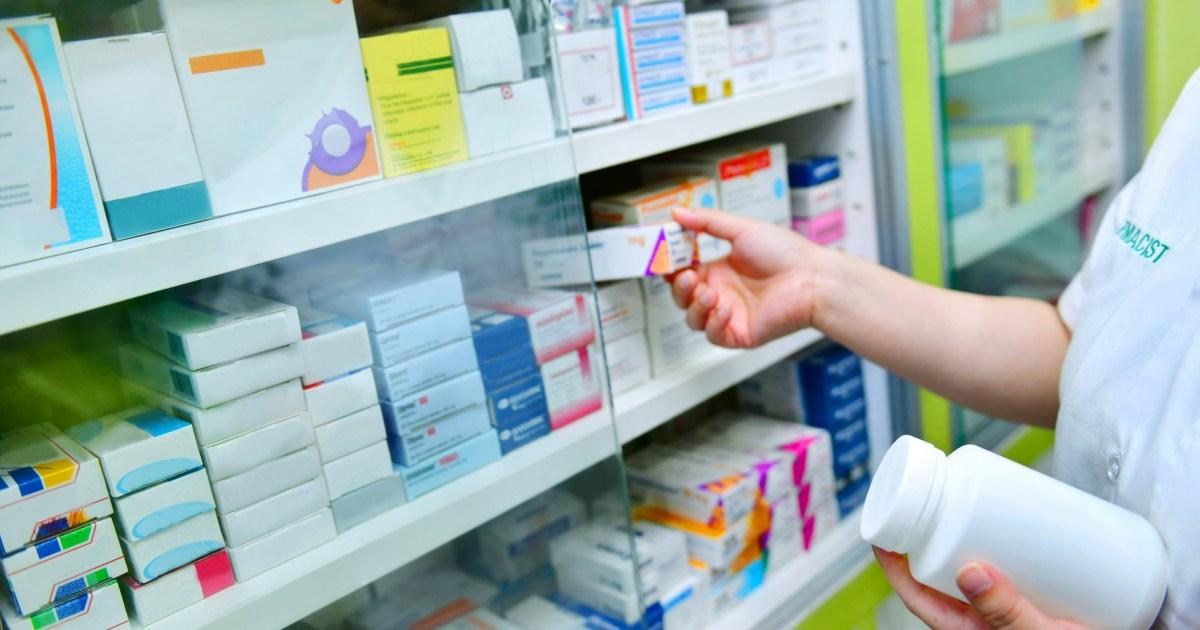
Millions of people across the UK are on medications which could be affected by the heat (Picture: Shutterstock / i viewfinder)
While it’s lovely to see the sun shining, the scorching weather can have some nasty side effects.
High temperatures can have ‘scary’ implications for our mental health, but they can also impact our physical wellbeing.
We’ve already heard that those taking antidepressants need to take care in a heatwave, as do users of jabs such as Ozempic and Mounjaro, as they can become less effective.
But it’s not just these specific drugs that you need to be wary of, it seems.
The government has issued a warning for Brits taking a range of popular medications this summer, including tablets, inhalers, insulin, EpiPens, and more.
Ask Metro
Use AI to go deeper into the stories you care about – powered by Metro and trusted publications.
And as up to 70 per cent of the population is thought to receive a prescription for medication, that means millions of people need to know about this.
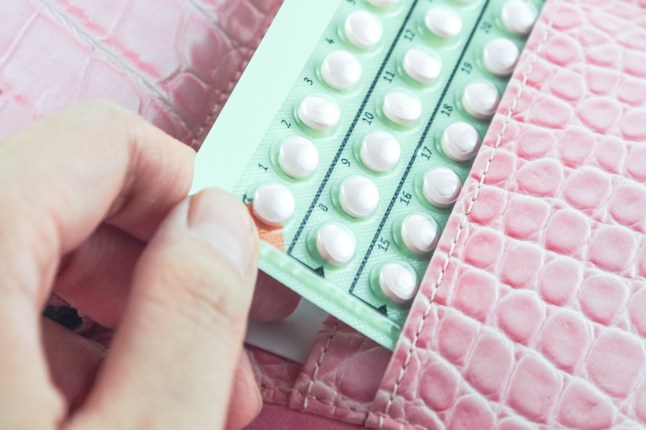
Where you store your pills makes a huge difference (Picture: Shutterstock / farland2456)
How does the hot weather impact medicine?
The Medicines and Healthcare products Regulatory Agency (MHRA) has issued a statement reminding people that hot weather can affect how well medicines work.
The heat not only changes how your body responds to medication, changing how much of it you absorb, but it can also cause the medicine itself to stop working properly.
As such, a message on the gov.uk website urges people to ensure all medicines are being stored correctly and safely.
It reads: ‘Most medicines need to be stored at temperatures below 25C. But cars, trains, and buses can heat up quickly during the summer, and rooms with direct sunlight can get much hotter than you’d think.
‘Even bags and pockets can get warm enough to cause problems, especially if you’re out all day or at a festival, sports event, or the beach.’
This is an issue because heat can break down the active ingredients in medicines, meaning they might not work when you need them.

Make sure you check your medication before you take it (Picture: Getty Images)
How to minimise risk and safely store medication
Some medicines will have clear storage instructions on the packaging, but there won’t always be an obvious warning, so it’s best to do your research if unsure.
If you’re at home, read the patient information leaflet and keep medicines in the coolest part of your house, or in the fridge if it’s something especially vulnerable to heat, such as insulin or certain antibiotics.
If you’re travelling, avoid leaving the medication in a car or vehicle and keep it in a cool bag.
One popular medication that you might not realise this could be an issue for is the contraceptive pill.
Around 76 per cent of women of reproductive age in the UK use some form of contraception, and more than 3million are thought to be taking a contraceptive pill.
Jason Murphy, the head of pharmacy at online pharmacy Chemist4U, has explained that regardless of which you take, the combined pill, mini pill, the patch and the vaginal ring all contain hormones which are ‘sensitive’ to temperature.
‘Most are designed to be stored below 25C, and prolonged exposure above 30C can start to break down the hormones and reduce how well they work,’ he says.
‘So, a pill packet that’s spent a few days in a hot car, a handbag or beach bag, a steamy bathroom cabinet, or a windowsill isn’t necessarily going to protect you the way you’d expect – there’s a very real risk of unintended pregnancy as a result.’
And it’s not just medication, check your medical devices too
According to MHRA, some medical devices can also be affected by heat or humidity.
One such example is blood glucose monitors, which can provide less reliable readings if used or stored in hot conditions.
The experts recommend keeping devices and any test strips in a cool and dry place and checking the instructions for temperature guidance.
They add: ‘If your device isn’t behaving as expected, try running a control check or speak to your pharmacist for advice.’
How to tell if the heat has compromised your medication
Jason claims you should look out for any pills that are discoloured, feel sticky, or are softer than usual.
If the packet has been sitting somewhere hot for a while, he recommends treating it as compromised for your own safety and starting a new packet.
In addition to this, he also advises using a backup method of protection, such as condoms, for at least seven days.
‘While it’s important that you don’t stop taking any prescription medications due to the heat, make sure you’re aware of how they might react to the weather,’ he adds.
‘If something doesn’t feel right, make sure you speak to your pharmacist or GP.’
Do you have a story you’d like to share? Get in touch by emailing MetroLifestyleTeam@metro.co.uk
Arrow
MORE: This bestselling tower fan is now 50% off ahead of the next UK heatwave
Arrow
MORE: Will the UK heatwaves lower the value of properties with south-facing gardens?
Arrow
MORE: Supermarkets forced to upgrade fridges after ‘meltdown’ during June heatwave
Comments
Add Metro as a Preferred Source on Google
Add as preferred source
The Slice
Your free newsletter guide to the best London has on offer, from drinks deals to restaurant reviews.