
A years-long malaria control campaign in the Brazilian Amazon nearly eliminated the disease from a city — but then cases rebounded. Now, scientists think they’ve uncovered why.
The campaign took place in northern Brazil during the construction of the Belo Monte Dam in the Xingu River, one of the largest hydroelectric dams in the world. From 2013 to 2017, the initiative slashed annual malaria rates from more than 1,200 cases to fewer than 60. But the program ended, and within a few years, infections had rebounded to more than 700 cases a year. This time, they were concentrated in the rural communities surrounding the river in the city of Altamira.
You may like
A program tied to temporary funding
What to read next

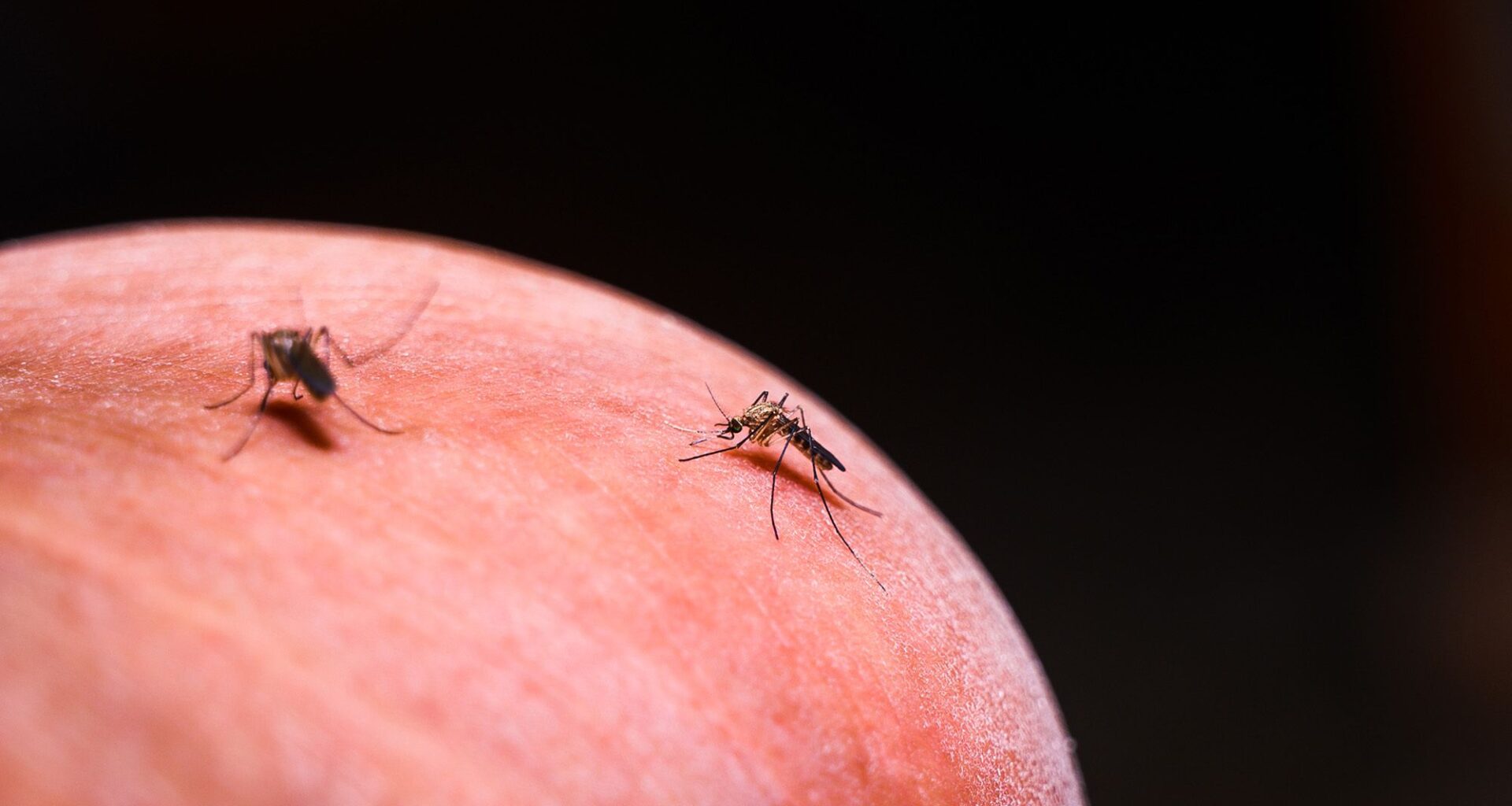
Nyssorhynchus darlingi, the mosquito that spreads malaria in the Amazon, breeds in partially shaded bodies of water.
(Image credit: Sabrina Simon)
Skinner, E. B., de Angeli Dutra, D., Pelegrino, É., Damasceno, O., Burza, S., & Mordecai, E. A. (2026). Resurgence of malaria in protected and rural areas after successful control program in a Brazilian amazon municipality. GeoHealth, 10, e2025GH001754. https://doi.org/10.1029/2025GH001754
TOPICS