
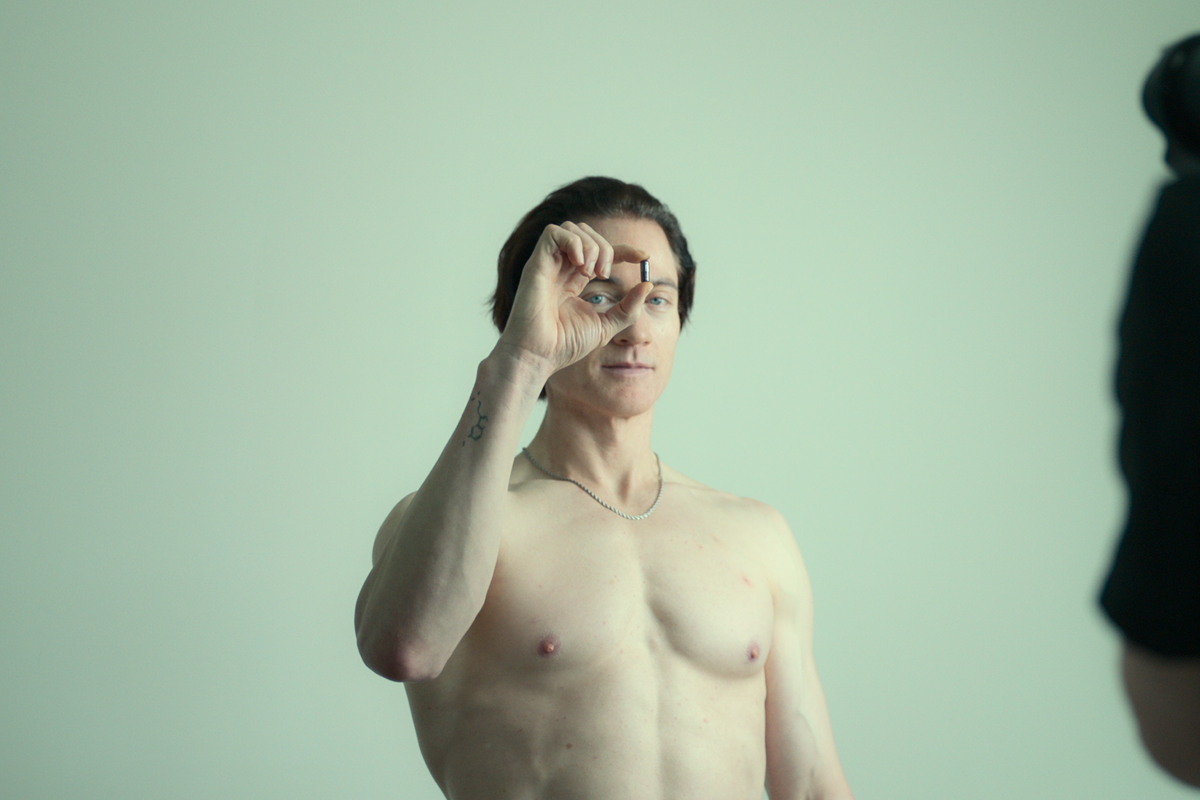
Biohacker Bryan Johnson has become well-known for going to extreme lengths to defy death and reverse the cellular ageing process: a four-plus-hour daily longevity routine; a huge supplement stack each morning; even being infused with his teenage son’s blood plasma.
The 48-year-old has inspired others to optimise their lives by following strict bedtime routines, adhering to squeaky clean diets and investing heavily in an array of supplements.
But Johnson’s recent diagnosis with autoimmune gastritis – an incurable condition in which the immune system mistakenly attacks healthy cells in the stomach lining – has led some to question the merits of the longevity trend he is fuelling.
As a trainer and journalist who has interviewed a wide variety of experts across the field of health and fitness, I have some thoughts.
What causes Bryan Johnson’s autoimmune gastritis
Johnson puts his recent diagnosis down to habits he held before adopting his longevity-centric lifestyle, having previously had low iron levels and a diagnosis of hypothyroidism at 21.
“As a kid, I ate sugary cereal, drank sugary soda and gobbled down fast food,” he writes. “I had a few healthy years in my early 20s but then became a young father of three and began building a business. Juggling that stress and grind, I let my health slip and gained 40lbs.”
Johnson has also vowed to “solve” the condition and “share all” with his many followers. However, some critics suggest his recent extreme behaviours have contributed to the diagnosis.
While not specific to autoimmune gastritis, there is weight to the idea that adding new, unknown substances to your body can have unwanted effects.
For a previous feature on ways to reduce inflammation, I spoke to senior biomedical sciences lecturer and immunology specialist Dr Owen Kavanagh. Eating well was one of his top recommendations – and while his advice relates to diet, it could logically be extended to many foreign substances entering the body.
“By eating well, I mean reducing ultra-processed foods because they cause inflammation in the gut,” Dr Kavanagh explains. “Think of bad food choices like a pathogen or a threat. Your body recognises these unfamiliar added ingredients as something foreign and rejects them, and it does this through inflammation.
“Put simply: if you ingest something harmful or even moderately toxic, you’re going to cause inflammation.”
Chronic low-level inflammation can damage the body’s internal systems, making it a “primary driver of age-related diseases” such as heart disease and some cancers, he adds.
In a series of social media posts, Johnson has refuted claims that his experiments have contributed to the condition.
Read more: With two-thirds of Brits overweight, the NHS exercise guidelines are fine – the problem might be us
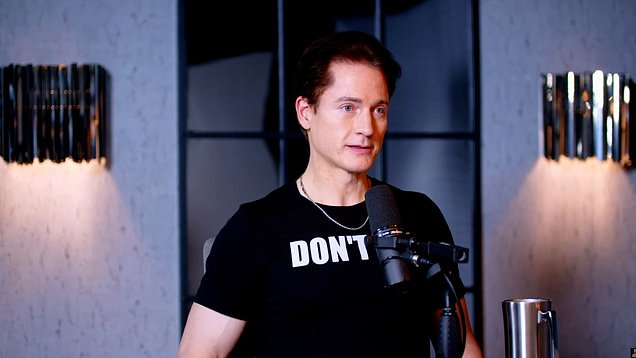 Johnson has assured his followers that his extreme longevity methods did not contribute to his autoimmune disease (Diary of a CEO/YouTube)
The wider problem with the longevity trend
I am not a medical doctor. I cannot tell you the root cause of Bryan Johnson’s autoimmune gastritis. But as someone immersed in the fitness industry, I believe I am qualified to speak on the longevity trend as a whole.
For thousands of years, people have been fascinated with living longer: Dorian Grey’s picture in the attic, the hunt for the Fountain of Youth, the resurrection of Lazarus. In 2026, we will have more advanced methods than ever to make this happen. The further pursuit of longevity, and its current trending status, was nigh-on inevitable.
But does it work? The leading figures in the current longevity movement, such as Johnson and all-conquering podcaster Andrew Huberman, are still alive. But they are also 48 and 50 years old, respectively, which by modern standards is nothing to write home about. We will have to wait some time to see the lasting impact of their behaviours.
They are not the first to advocate specific lifestyles to promote longevity, however.
Gayelord Hauser, author of the 1950 best-seller Look Younger, Live Longer and sometimes referred to as the first “fitfluencer”, lived to 89. His book recommended a natural, whole food diet including five “wonder foods”: brewer’s yeast, wheat germ, skim milk, yoghurt and blackstrap molasses.
How to Live Longer and Feel Better author Linus Pauling, published the book in 1986 and went on to reach 93 years old. He supported the idea of high vitamin C intake to fight disease and slow ageing.
But observing others is far from a closed experiment. Beyond their individual methods, we must also assume these longevity-minded individuals went to great lengths to nail the basics of wellbeing – exercising, hydrating, eating well. Not all longevity gurus reached their 80s and 90s, either.
James Fixx, who wrote 1977’s The Complete Book of Running and recommended aerobic exercise for better health, died of a heart attack while jogging aged 52. This was later found to be due to a severe and undiagnosed heart condition.
And in 1974, a New York Times article read: “Adelle Davis, one of the nation’s best-known authorities on nutrition, who contended that almost any disease could be prevented by proper diet, died at her home today of bone cancer. She was 70 years old.”
This makes for interesting reading, but it is not infallible evidence for or against any of these individuals’ advice. Nowadays, you can find stats online to back up almost any argument if you look hard enough.
Read more: This is the most boring fitness article you’ll ever read – but also the most useful
 Nailing health and fitness basics can have a greater impact than most supplements or new innovations (Getty)
Why longevity can’t be the only motivator behind your health and fitness plans
Learning from the experts I interview, I have come to view longevity like buying lottery tickets. Baseline healthy behaviours like exercise, sleeping well and eating nutritious food buy you more tickets, and your chance of winning (in this case, leading a long and healthy life) increases.
Perhaps some of the more extreme behaviours employed by Johnson will earn him more tickets. Perhaps some of the newer innovations could see him lose a few down the back of the sofa.
But whatever precautionary measures you take, you are still playing the lottery. You can maximise your longevity potential, but factors that are out of your hands, such as genetics and tragic accidents, may intervene.
Running guru Fixx, for example, had a family history of heart problems. His father had his first heart attack at 35 and died eight years later after suffering another.
“A good diet and lifestyle are basically helping you optimise your genetics,” says neuroscientist and The Age Code author Dr David Cox.
“The exact contributions of genetics and lifestyle are still disputed. I’ve heard people say it’s 30 per cent genetics and 70 per cent lifestyle. But a study which came out in January suggests genetics have been underplayed and it’s more like 50:50.
“This makes sense to me because you do get people who do a lot wrong and still live very long lives.”
Dr Cox points to Jeanne Calment, the oldest woman who ever lived, as a case study to demonstrate this.
While she led an active life and cycled until she hit a century, she was also a fan of port, chocolate and smoked from the age of 21 until the point she kicked the habit at 117.
“Many people would have died decades earlier,” Dr Cox says. “She clearly had good genetics.”
For this reason, longevity cannot be your only consideration when mapping out your future plans. Wanting to live longer is an understandable quest, but we also want to maximise the years we have.
Johnson acknowledges this in a recent post on X, responding to those accusing him of being “so busy trying not to die he forgot how to live”.
“I am not opposed to pleasure,” he writes. “I am opposed to the counterfeit. I say no to the dying ritual so that I can say yes to the full offering of consciousness.
“…On offer in this new future are things that no human has ever tasted before. I’m not deprived by the lack of participating in the rituals [such as drinking, gambling, staying up late and fast food]; I’m pointing to a joy that the human mind has not yet imagined.
“I don’t intend to live a little. I intend to live more than any human who has yet lived and invite you to join me.”
What is perhaps overlooked is that something within this process, whether that’s the pursuit of longevity or the audience that comes with it, is bringing Johnson satisfaction. If chasing an optimal lifestyle doesn’t make you happy, its value is severely diminished.
My best-case scenario, rather than optimising your life for longevity and potentially making yourself miserable in the process, is to find a way to balance basic healthy behaviours with a life you enjoy. Eat nourishing foods, sleep well where you can, move often, but don’t turn down a fun opportunity just because it clashes with an inflexible fitness routine someone told you to follow.
If health and longevity are particularly important to you, this might mean you put more effort into this aspect of your life. If they’re not, you won’t. Healthy years can contribute to happy years, and vice versa, so both sides of the coin ought to be considered.
Read more: Our bones have never been weaker – but here’s what you can do about it