
Driving along the rural lanes of Norfolk, under big skies and tunnels of hawthorn and horse chestnut, it can feel like there’s a stately home around every corner.
In fact, this corner of East Anglia does have more than its fair share of country houses, and there was a particular reason behind three of the most splendid, all built in the 18th century in the neo-Palladian style. “It was very much the grandees of the Whig administration,” says David Cholmondeley, the 7th Marquess of Cholmondeley and owner of Houghton Hall, which was commissioned in 1722 by Sir Robert Walpole, one year into his tenure as Britain’s first prime minister. “They were all old Norfolk families who had houses and money, and I think it was a bit of a competition to build the biggest or best they could.”
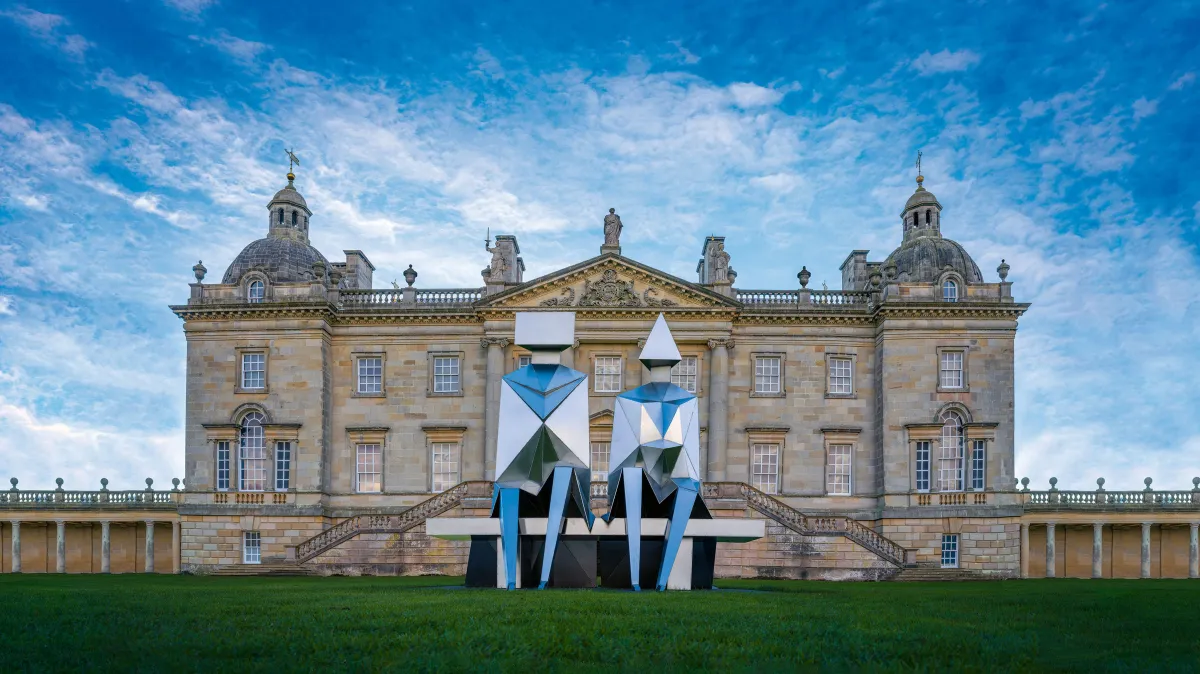
The magnificent house and its opulent interiors by William Kent continue to impress, as do the impeccable grounds with their pleached limes, white deer and walled gardens. Since the 1990s, however, they have been brought into contemporary relief by an exemplary outdoor sculpture collection and summer exhibitions of some of the biggest names in modern and contemporary art.
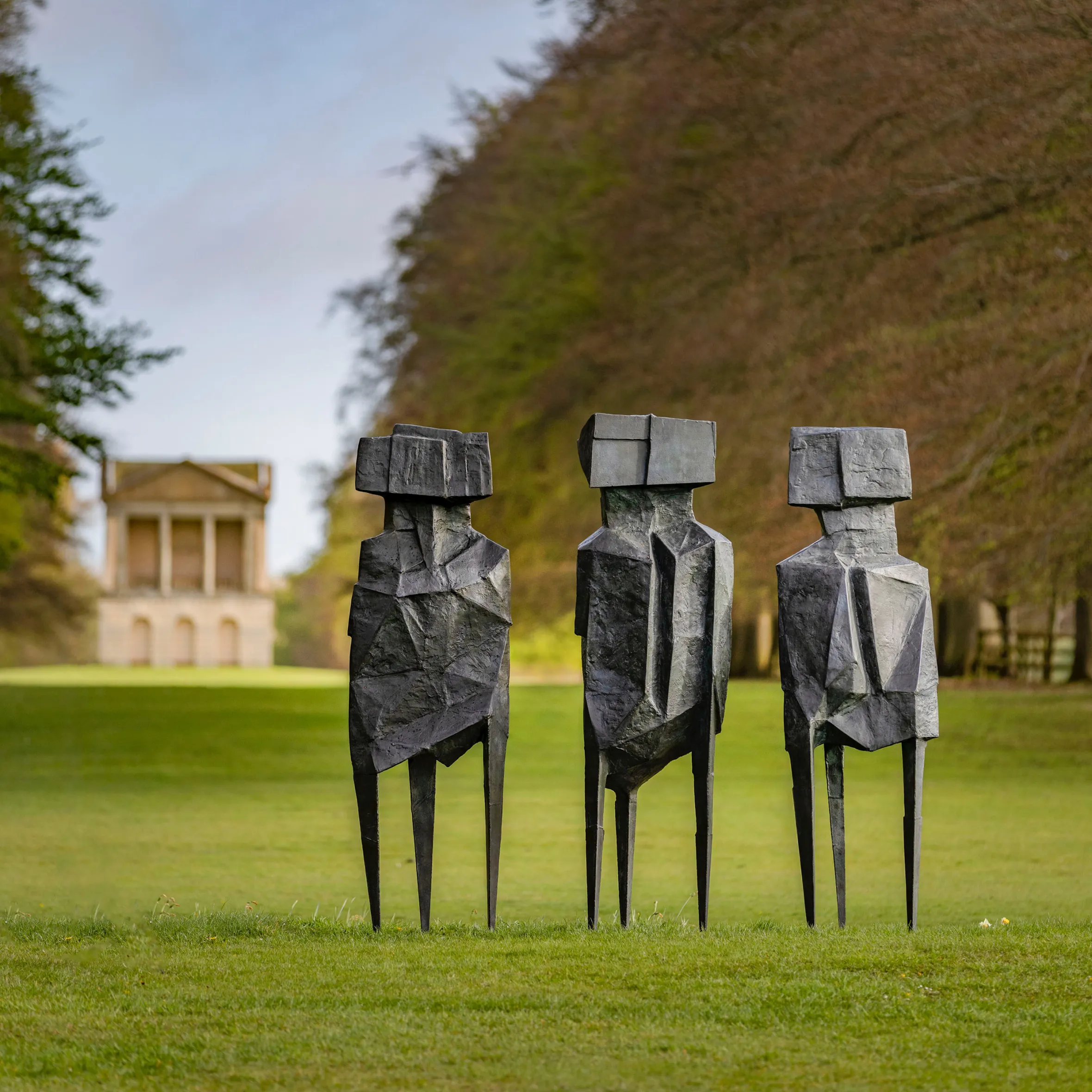 The Watchers by Lynn Chadwick at Houghton HallCourtesy of the artist’s estate/Pangolin London/Steve Russell Studios
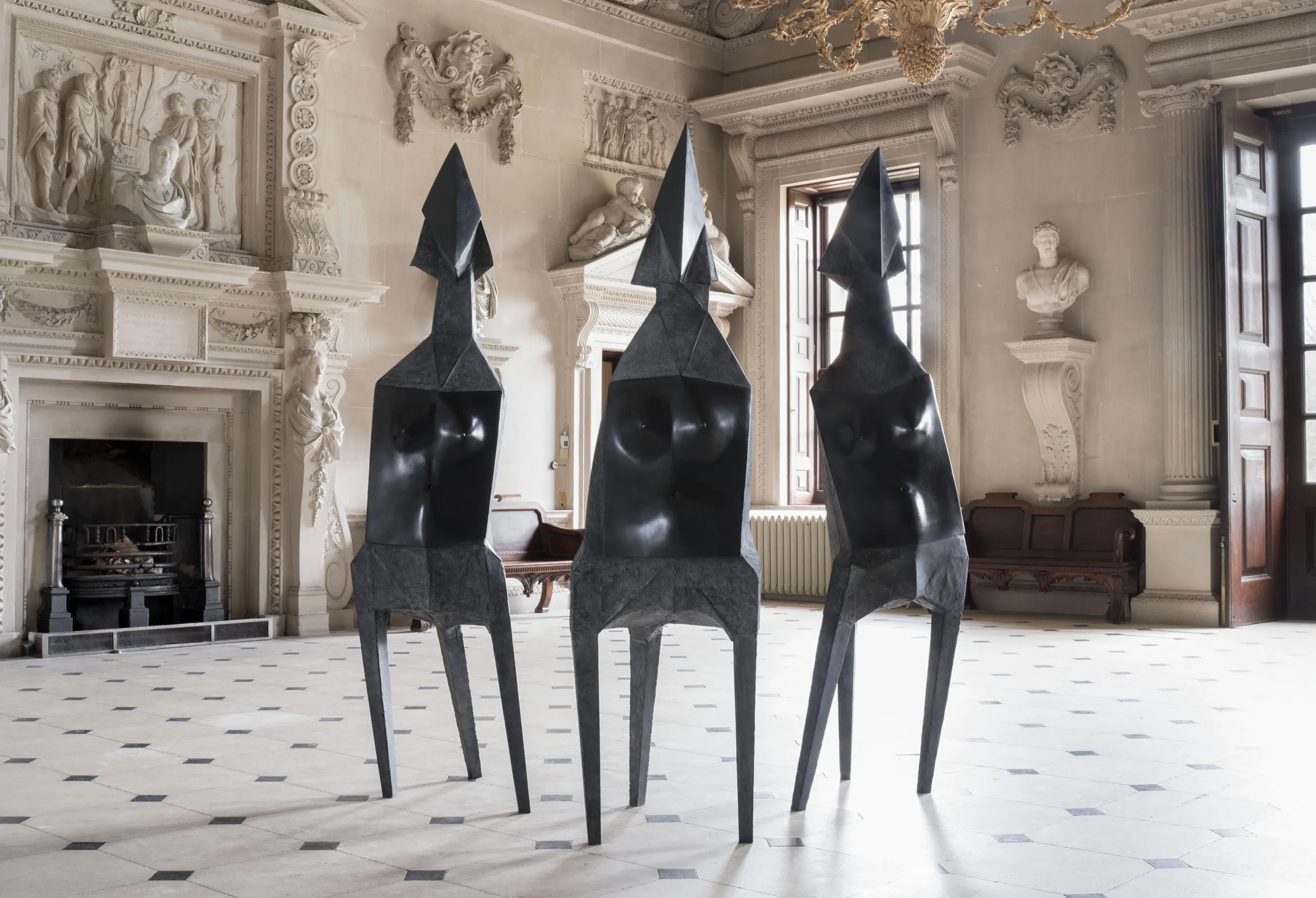 Three Elektras by Lynn Chadwick, located in the monumental Stone HallCourtesy of the artist’s estate/Pangolin London/Steve Russell Studios
“It started through wanting to reinterpret the idea of the 18th-century folly and getting to know the light artist James Turrell,” Cholmondeley explains. “Then in 2013 we had the exhibition of Walpole’s art collection, which had been sold to Catherine the Great. People came in such numbers that we wanted to do more, but of contemporary art in a historic setting.”
This year it’s the turn of Lynn Chadwick, who beat Giacometti to the International Sculpture prize at Venice in 1956. Working from his home in Lypiatt Park outside Stroud, his process was highly unusual, says the exhibition’s co-curator Polly Bielecka: instead of carving or modelling, he would weld a framework of iron or steel rods then fill it with Stolit, a compound of gypsum and iron filings.
Chadwick said he was channelling a “vital force from the dark”, and the life he brought to his straight lines and faceless forms is astonishing. In Jubilee IV a couple stride out across the estate, robes billowing behind them, while on the west lawn five stainless steel Beasts — now alien, now endearing — look as if they have landed from outer space and are crouching and howling. Throughout, the positioning of the works invites you to look at the classical landscaping and interiors differently. In the monumental Stone Hall, a trio of angular Elektras appear to stand in quiet rebuke to a muscular Laocoön and His Sons, writhing in agony in the grip of serpents. Back outside, another trio, titled The Watchers and inspired by the moai of Rapa Nui, mirrors the tripartite structure of a neo-Palladian water tower, intimating spirits from the past and perhaps the future too.
Five years after work began at Houghton, Sir Robert’s younger brother Horatio, the ambassador to France and godfather to Nelson, started on Wolterton Hall, 30 miles to the east. It was never as grand as Houghton and in the 19th century paintings were sold, the front staircase was removed and the grand avenue replaced with a more circuitous approach. It’s still a majestic and magical place, with elegant Georgian interiors, a ten-acre lake, a heronry and an accidental folly in the form of a ruined church tower.
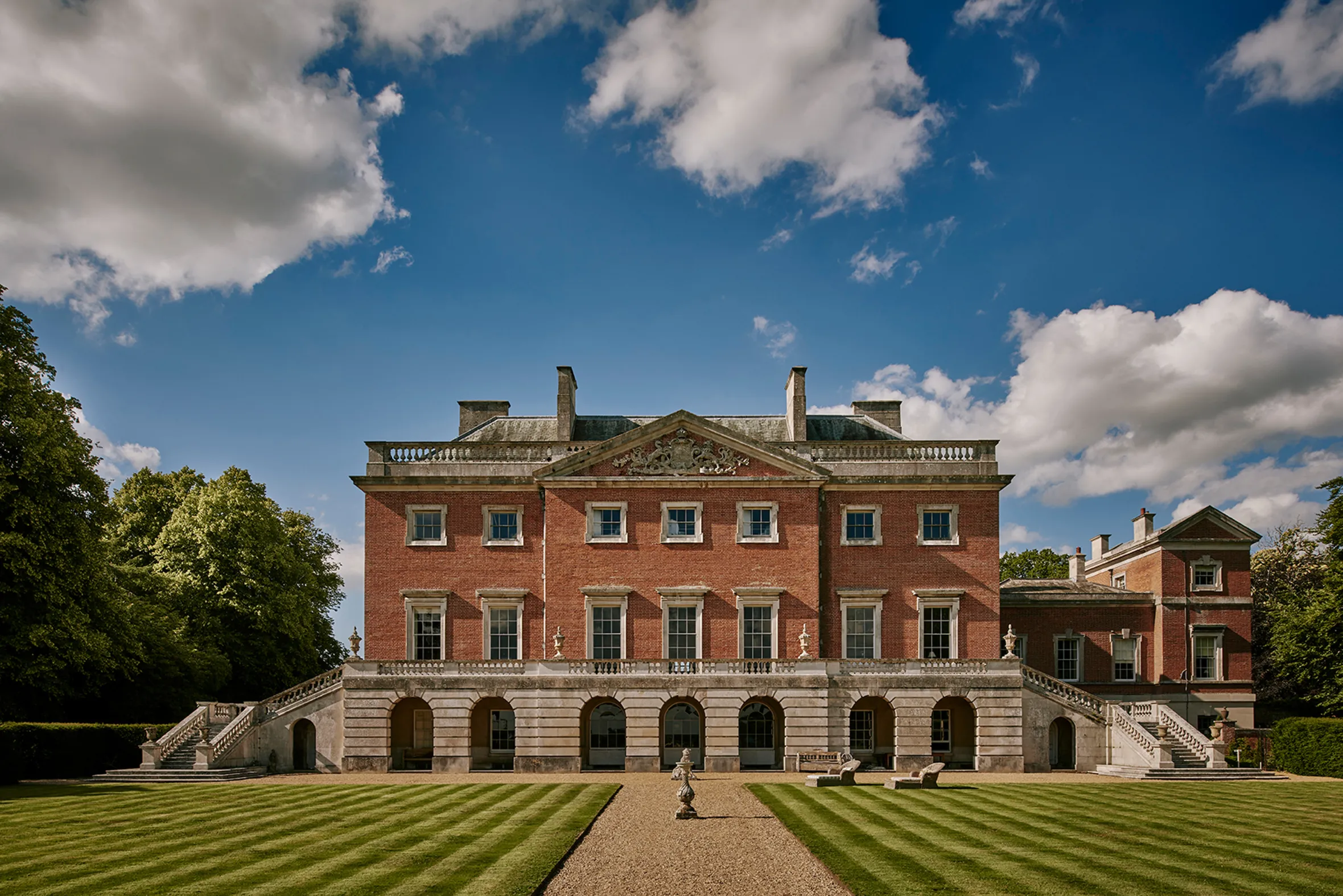 Wolterton is splendidly symmetrical and features elegant Georgian interiors
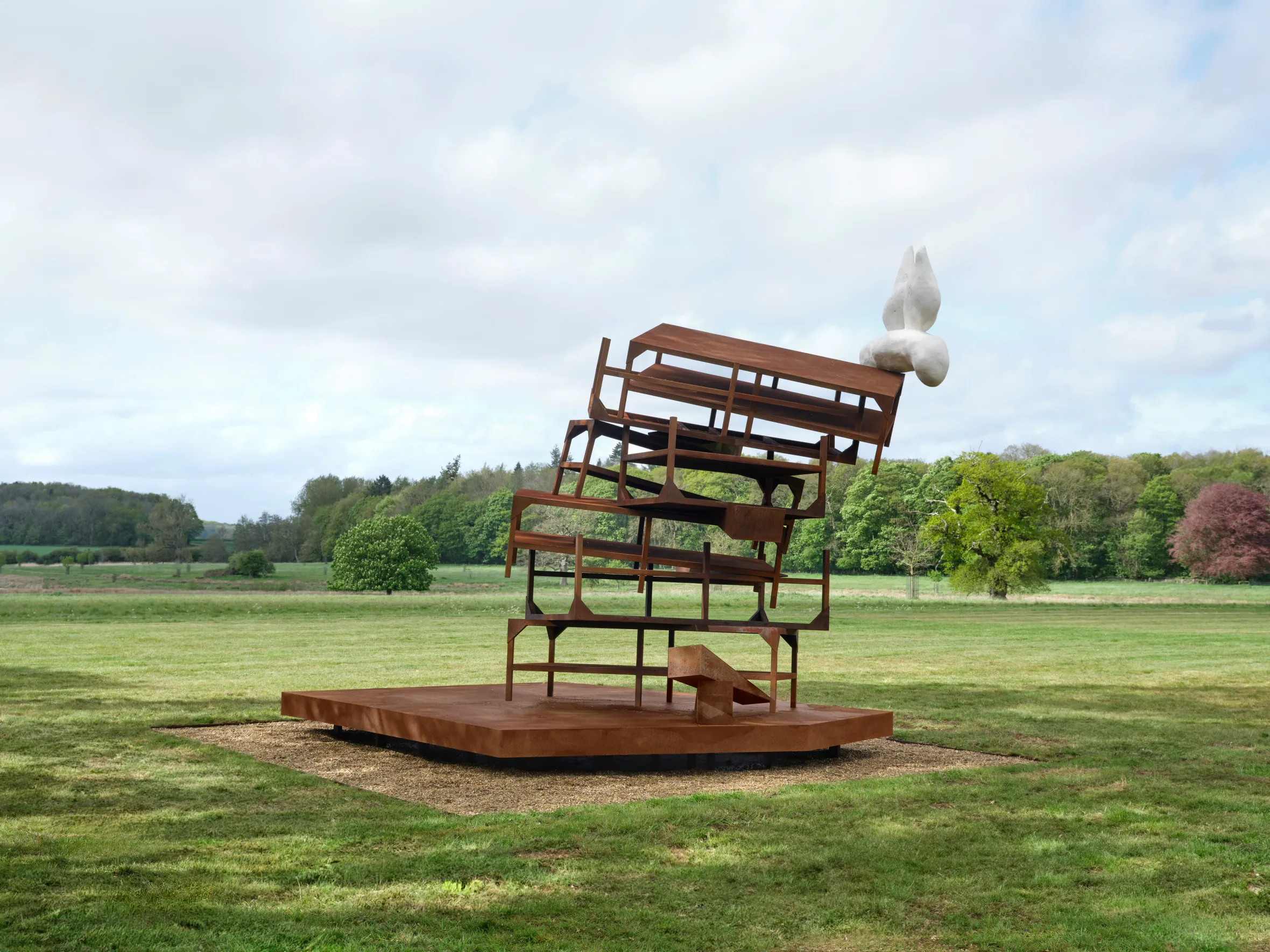 One of Phyllida Barlow’s sculptures, “disrupting the architecture, rather than decorating it”Eva Herzog courtesy of Wolterton. © Phyllida Barlow Estate
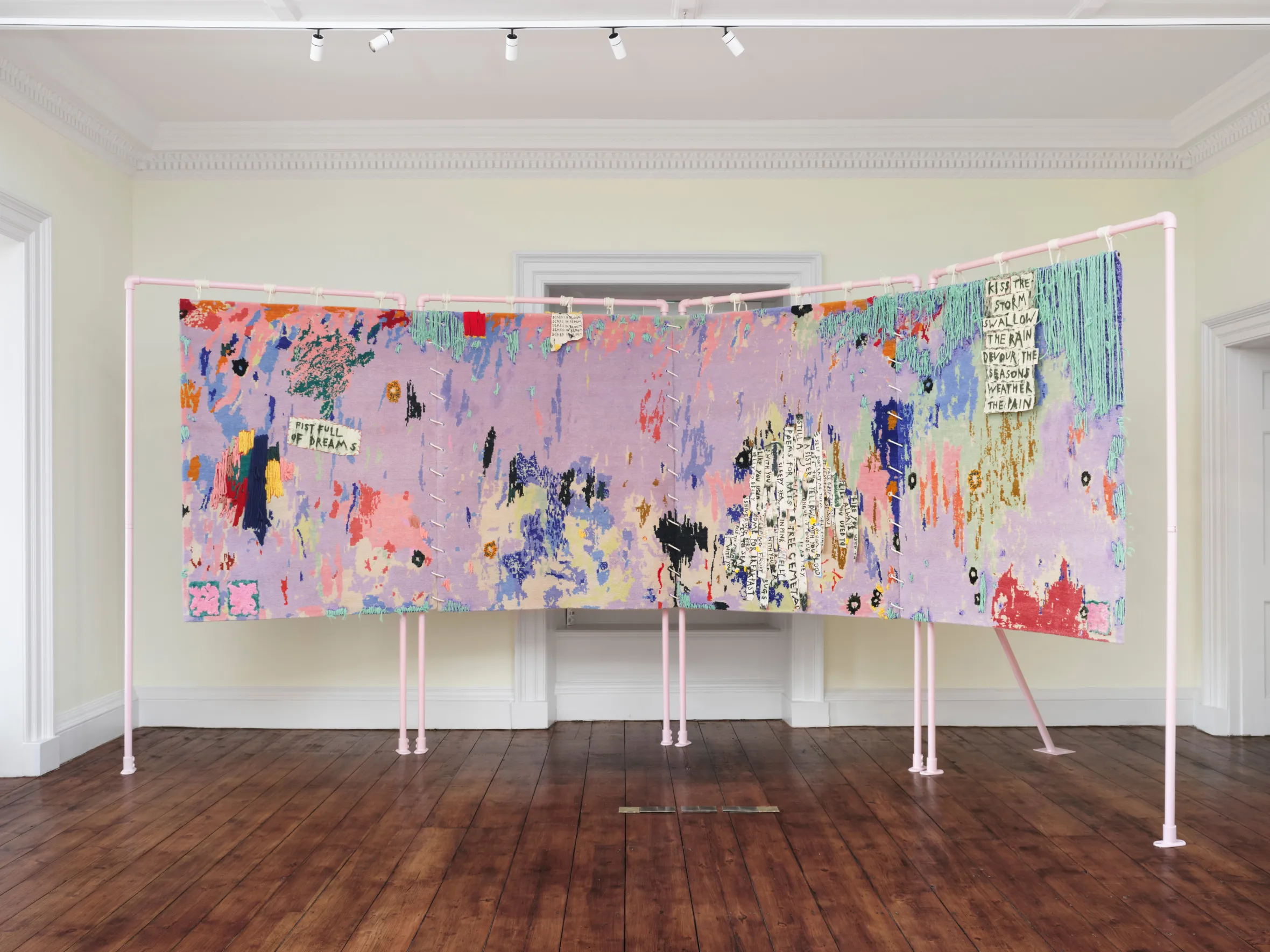 Fist Full of Dreams by Daisy ParrisEva Herzog courtesy of Wolterton. © Daisy Parris/ Sim Smith
It’s also three years into a new chapter. A decade ago it was sold to the designers Peter Sheppard and Keith Day, who renovated it then sold it on to Richard Ellis, the founder of Original Cottages and nephew of the Norfolk naturalist Ted Ellis. He and his four children are now in the process of “discovering and sharing the house as we go”, says Ellis, renovating the stables as a future restaurant and hosting cultural events (such as an immersive production of The Turn of the Screw). For some of these you can also sleep in the 12 beautiful hall bedrooms and wander from the saloon on to the 100ft balcony overlooking the lake.
The new art and culture programme also includes free summer exhibitions of contemporary art, this year showing work by the late Dame Phyllida Barlow and the 33-year-old artist Daisy Parris. In the symmetrical splendour of Wolterton they act as as “agents of interruption”, says the curator Simon Oldfield, “disrupting the architecture, rather than decorating it”. Parris’s Fist Full of Dreams is a series of text-based paintings and a tapestry that offer a fiercely poetic response to Wolterton in winter and suggest a turbulent inner landscape. With Barlow, however, the disruption is physical: in untitled: stacked chairs (2014), a jumble of red plywood chairs fills the well under a cantilevered staircase, looking as if it might topple over.
“I want sculpture to be as awkward as possible,” says Barlow, who taught at the Slade for over 20 years and represented Britain in Venice in 2017. In the Marble Hall groupings of sculptures show their rough workings and materials: “steel, cement, plaster, hessian, trim, fabric, polyurethane foam, paint and PVC” the caption reads on one (small) one. “They’re not meant to be precious or permanent,” says Oldfield. In the portrait gallery the wall covering has been stripped away and the oil paintings of the Walpole family are replaced with Barlow’s works on paper. The message is clear: Wolterton is creating space for something new. A new permanent art collection includes a work by last year’s headline artist, Maggi Hambling.
Twenty miles northwest of here is Holkham, a 25,000-acre property with a vision to be the “most pioneering and sustainable rural estate in the UK”. It’s so vast and multifaceted, with a nature reserve and two beaches, that the hall can get overlooked. A two-hour guided tour is engrossing, however, taking you from the pink alabaster entrance hall to the Strangers’ and Family Wings (which are still used by the present 8th Earl of Leicester) and an enfilade of state rooms overlooking an immaculate parterre and fountain. This summer the estate is also hosting an interactive installation, Six Hundred Pieces of Landscape at the Golden Shed, by the Norfolk landscape photographer Harry Cory Wright and the jeweller Monica Vinader — and if you stop at the Victoria for lunch there are bird paintings by Frank Southgate on the walls.
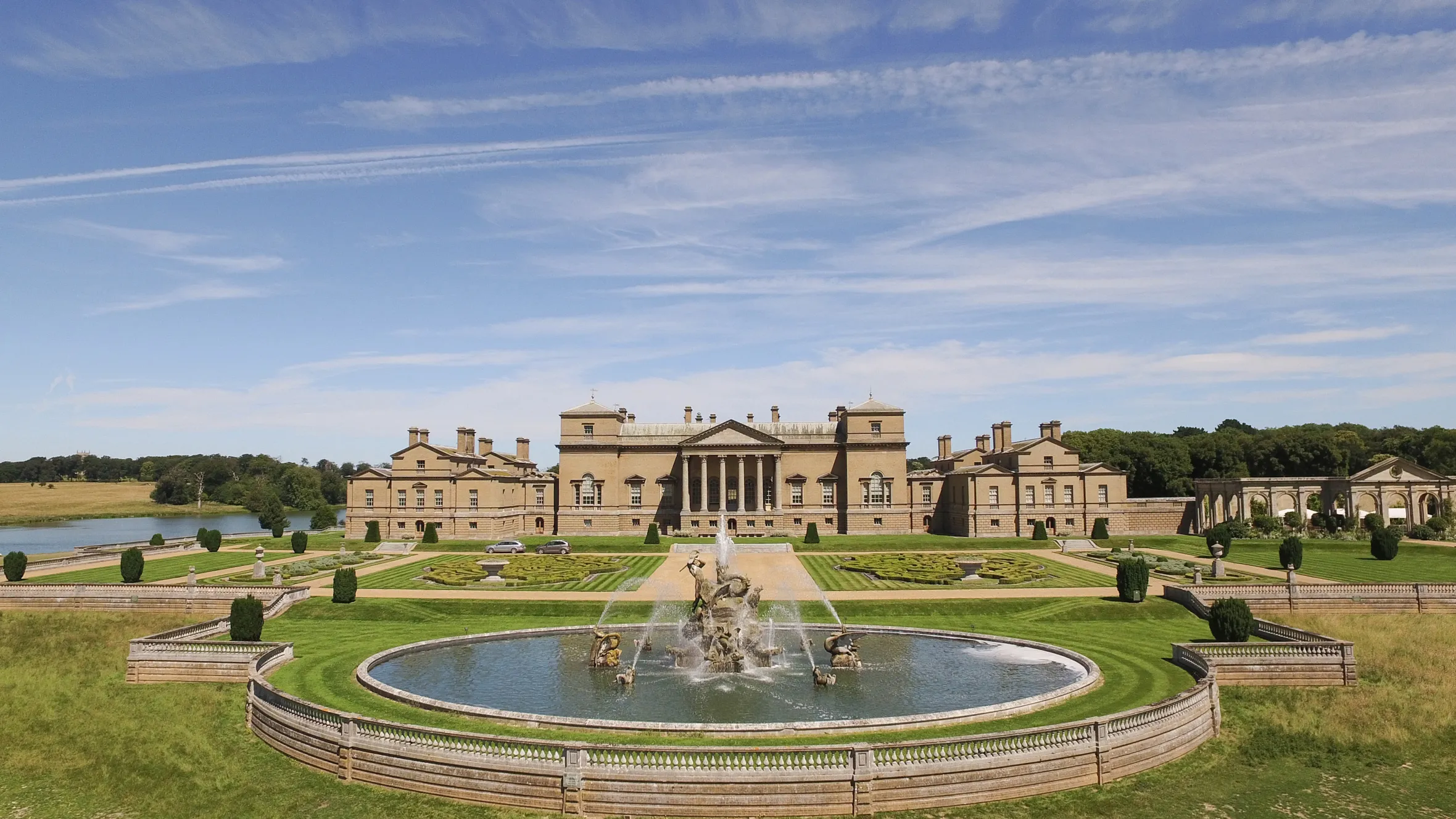 The south façade of Holkham Hall
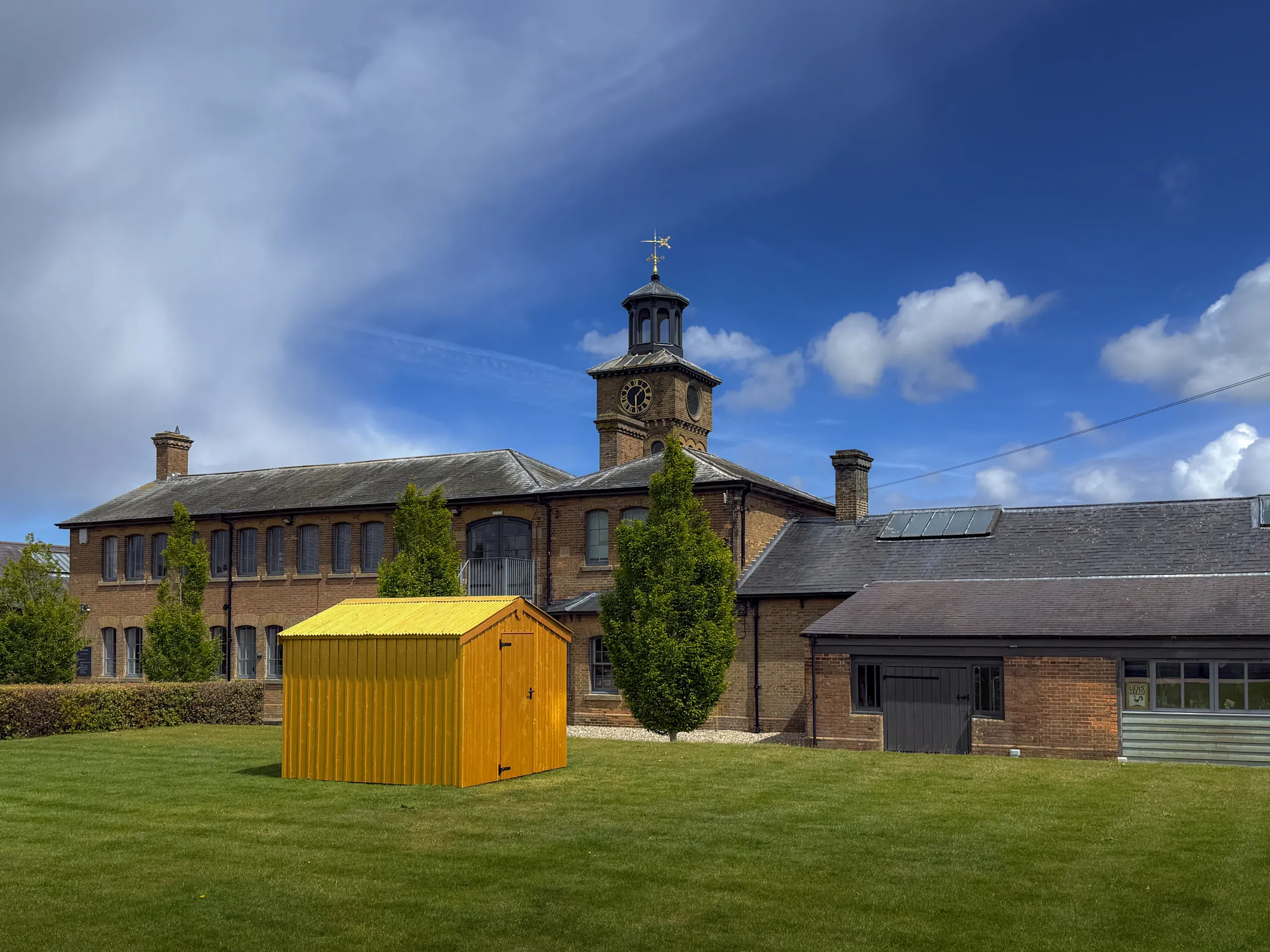 The Golden Shed at Holkham
 The exhibition Six Hundred Pieces of Landscape at the Golden Shed by Harry Cory Wright
Holkham’s wealth was accumulated by Sir Edward Coke under Elizabeth I and James I, but the house was built from 1734 by the 1st Earl of Leicester, Thomas Coke, who inherited the estate aged ten, was dispatched on a grand tour at fifteen and returned six years later with a love of classical art and Palladian architecture (encouraged by Lord Burlington and William Kent).
Linking the wings is a gallery of impressive Roman statues, while the state rooms include a room full of Claude landscapes, a celebrated Rubens and an electrifying pair of allegorical war paintings by the Dutch Golden Age painter Melchior d’Hondecoeter, depicting England as a goose. Look out, too, for the Gainsborough portrait of a great nephew of Thomas Coke’s, Thomas William Coke, the 1st Earl of Leicester, who was a great agricultural reformer and a prominent Whig.
Lynn Chadwick at Houghton Hall continues until October 4 (houghtonhall.com). Phyllida Law: Disruptor and Fist Full of Dreams are at Wolterton Hall until October 31 (wolterton.co.uk)
While you’re there
Three of the Chadwick Beasts came from the sculpture park at the Sainsbury Centre, a phenomenal collection of 6,000 objects, spanning 5,000 years, that was amassed by Sir Robert Sainsbury and his wife, Lisa, and resides on the UAE campus in Norwich. The Norman Foster building dates from 1978 but looks brand new. Inside, a Living Area is populated with an array of ancient artefacts and modern and contemporary masterpieces that the executive director, Professor Jago Cooper, views as living entities: “The manifestation of some of our most interesting and inspiring individuals, political movements and cultures,” as he puts it. Exhibitions ask big questions, such as the current one,What Is the Meaning of Life? (until 15 November). sainsburycentre.ac.uk
Where to stay
Suffield Lodge
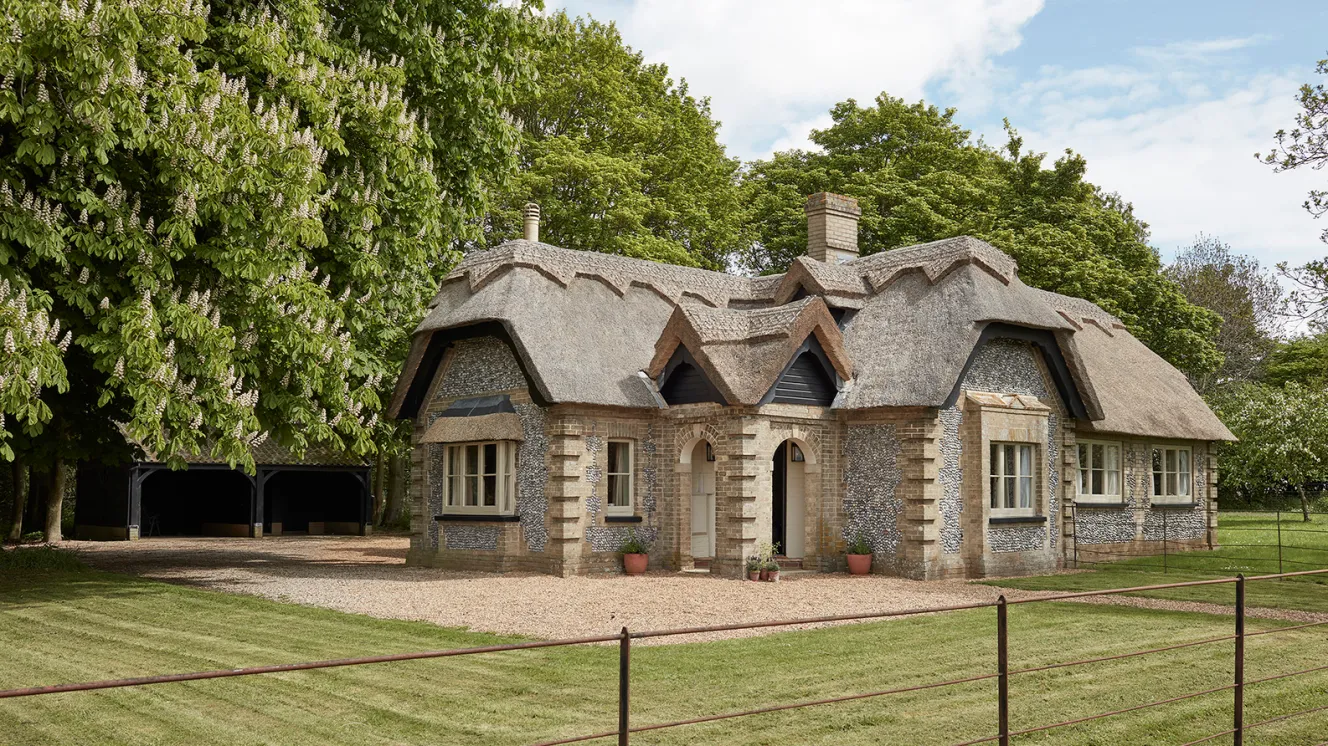 Suffield Lodge on the Gunton Estate
Gunton Estate is owned by the art dealer Ivor Braka and this four-bedroom flint-and-thatch cottage was redecorated three years ago in beautifully layered fabrics and wallpapers by Robert Kime. After dinner at the Gunton Arms, you can walk back through the 1,000-acre park, looking out for deer; Cromer is eight miles away. Three nights from £600, theguntonarms.co.uk
The Garden House, Wolterton
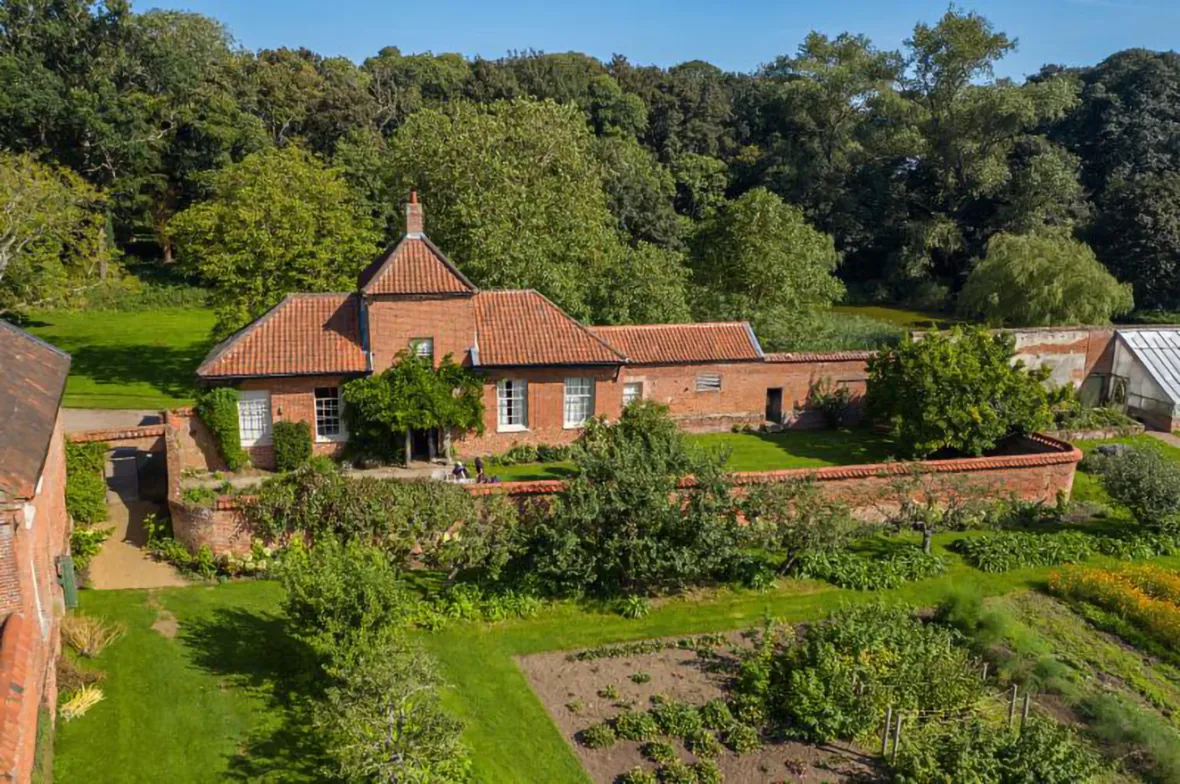 The Garden House, Wolterton
There are five historically listed holiday houses at Wolterton, all sleeping six (except the one-bedroom Treasury) and furnished in Georgian style and contemporary comfort. This one overlooks the estate’s eight-acre walled garden and vineyard and has three double en suites and a walled garden of its own with a wood-fired hot tub. Bigger parties can take the seven-bedroom East Wing with the formal dining room, but the 12 rooms in the hall are reserved for those booking events. Three nights for six from £1,124, wolterton.co.uk
Palmers Folly and the Triumphal Arch East, Holkham
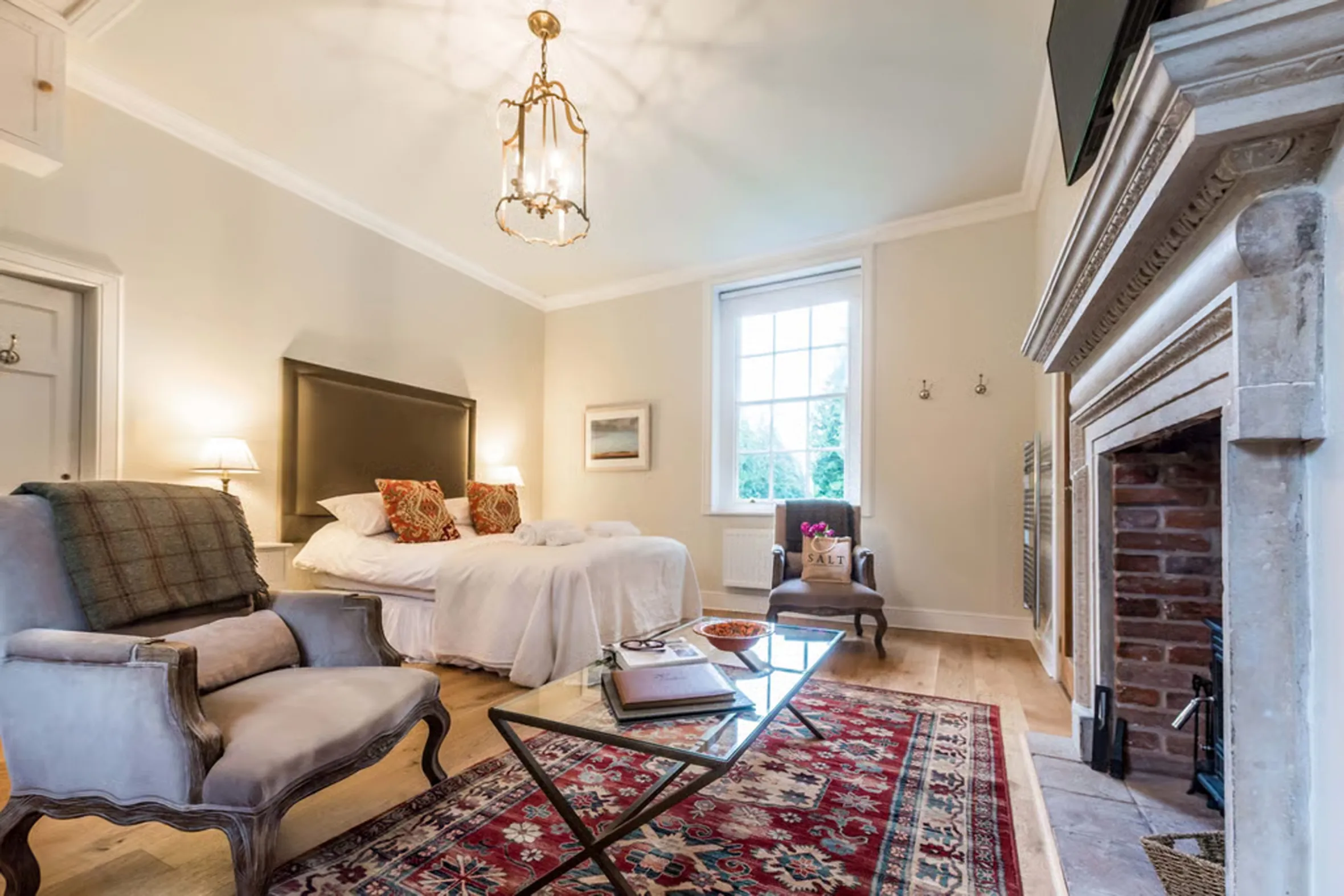 The bedroom in Palmers Folly, with a wood-burner
The 14 cottages at Holkham sleep between two and eight, half in gate accommodation on the edges of the park. Palmers Folly is a studio-style retreat for two, but elegant and cosy with a wood-burner and secluded woodland setting. The Triumphal Arch East, one of two glamorous Grade I listed hideaways for two to the south, has a ruby red roll-top bath. Two nights for two from £524 at Palmers Folly and £507 at Triumphal Arch East, holkham.co.uk, norfolkcottages.com
Where to eat
The Gunton Arms
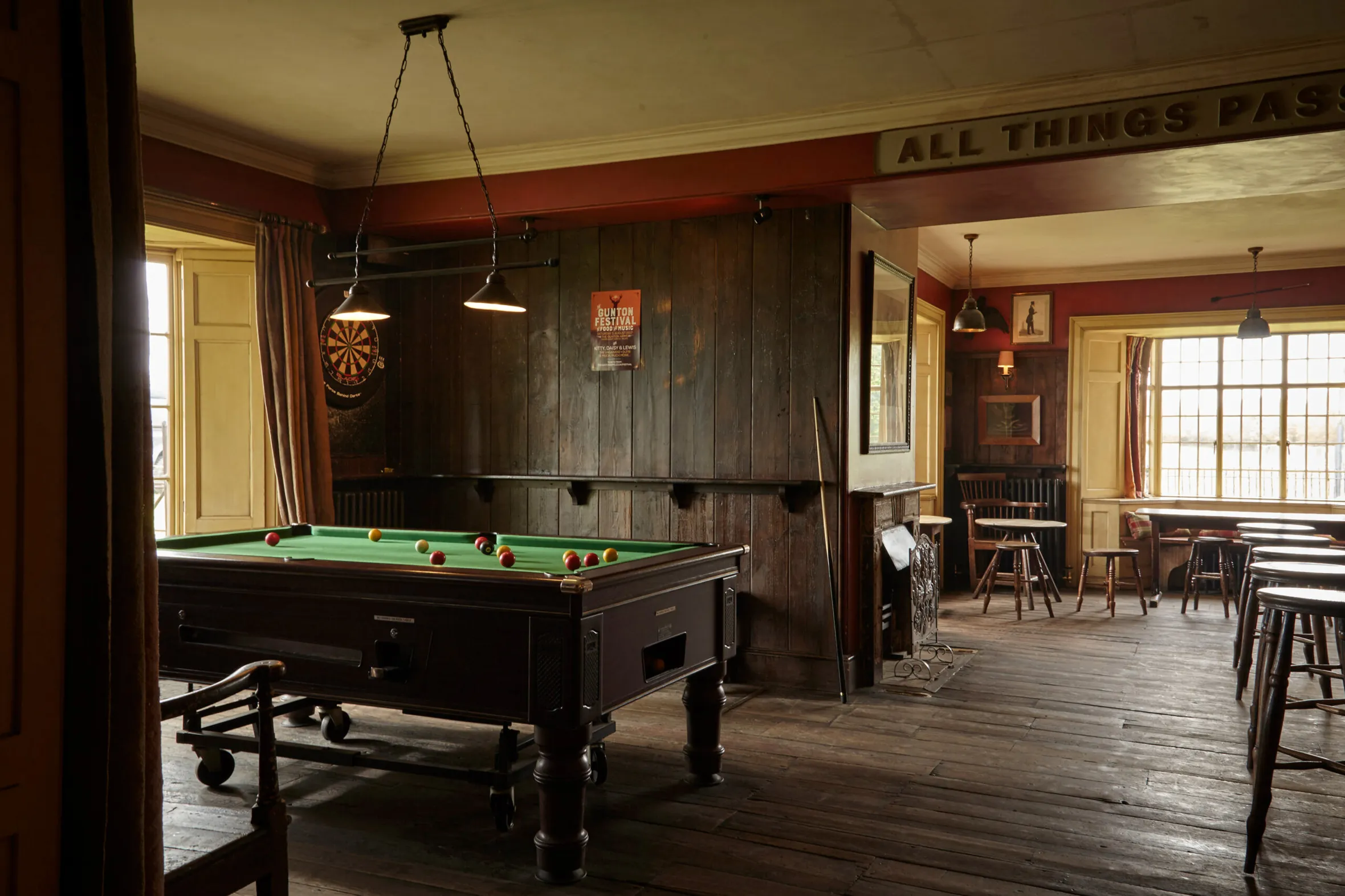 The Gunton Arms Bar
Stuart and Simone Tattersall left Hix to run this buzzy and bohemian gastropub on the Gunton Estate. The food is traditional British country fare, some of it cooked over an open fire under the skull of a 10,000-year-old giant Irish elk. Like Suffield Lodge, it is owned by Ivor Braka, with art by Tracey Emin, Damien Hirst and others on the walls and an excellent guide from Braka himself to walk you through it. I sat under Paula Rego etchings of alcoholic women, and stuck to one small glass of wine, plus a tasty plate of sea trout, monksbeard and shrimp. theguntonarms.co.uk
Morston Hall
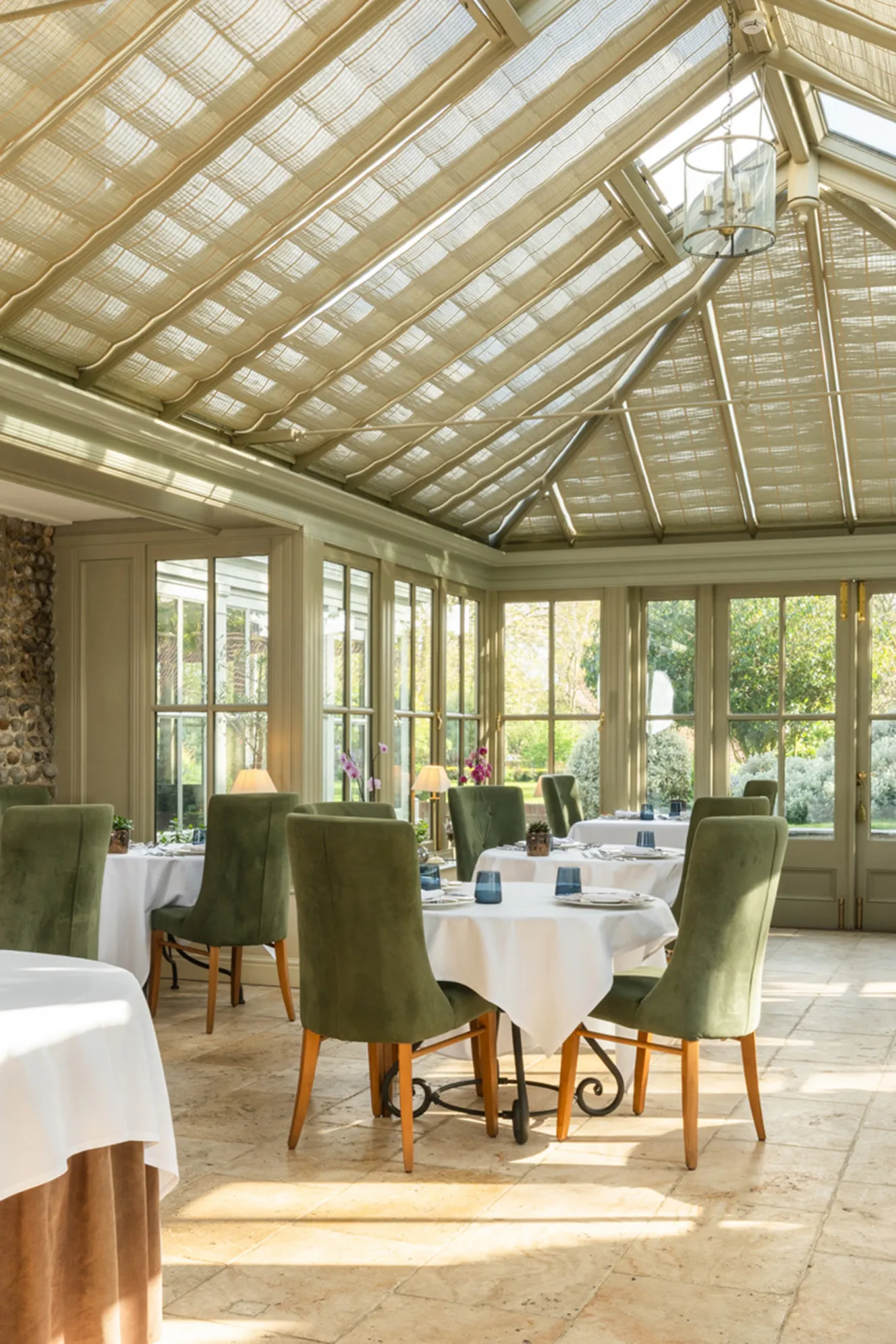 Morston Hall
The restaurant at this 13-room country house hotel near Morston Quay has had a Michelin star for 28 years. Now under new ownership with Phil Kearsey in the kitchen, it continues to celebrate the best of Norfolk, land and sea. Seven-course Signature taster menu from £145 per person; wine flight £95, morstonhall.com
Meadowsweet
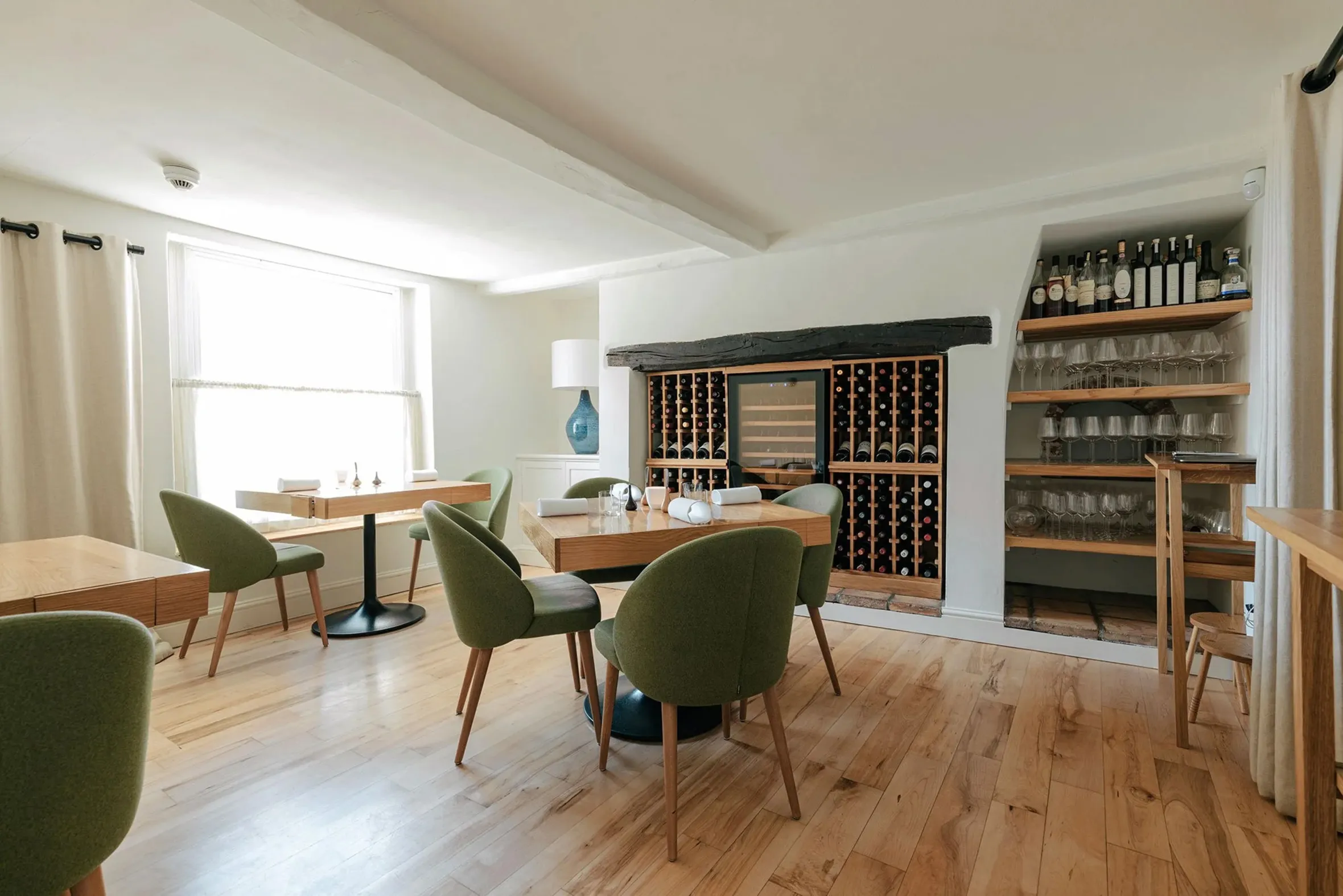 Meadowsweet
Greg Anderson and Rebecca Williams met at Morston Hall, and they have gone on to win their own Michelin star at this immaculate 22-seat restaurant with three bedrooms in a whitewashed Georgian house in Holt. Tasting menu (Wed-Sat) £150 per person; wine pairing from £95; four-course Saturday lunch £85, meadowsweetholt.com