
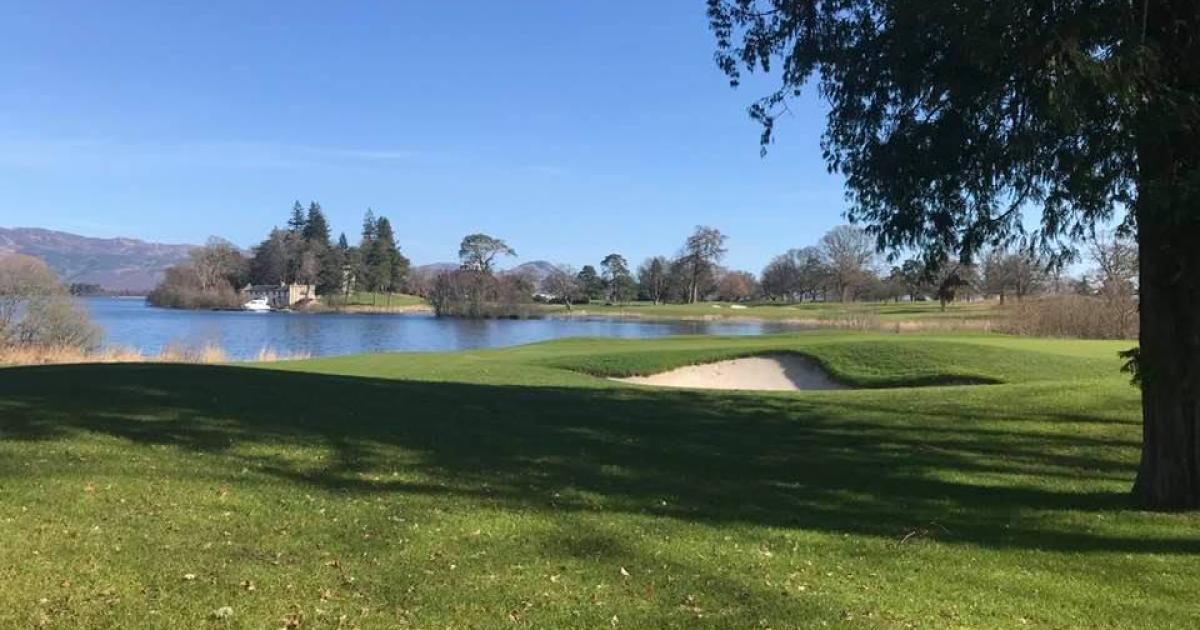
Member-owned Loch Lomond Golf Club grew its revenue and cash position in 2025 but again failed to make a profit as it continued to rely on heavy support from its ultimate parent company.
Turnover jumped 11% to £14.6 million in 2025, according to latest accounts filed at Companies House. Directors said the club benefitted from strong member use, higher annual dues and price rises across its accommodation, retail and golf operations.
Earnings inched 2% higher to £1.5m as wage inflation, higher national insurance and soaring utilities soaked up most of the top‑line gain. The club still posted a £2.8m loss after tax, wider than the £2.4m deficit in 2024, with £4.4m of depreciation and goodwill charges.
(Image: Damian Shields)
Cash at bank surged 31% to £4m as capital spending eased back following completion of big‑ticket projects such as the caddie shack and Spikes Bar. Member numbers edged up, with 628 members before resignations (623 in 2024), 24 new joiners and 19 redemptions, with demand still described as “strong”.
The club finished the year in both net liability and net current liability. Directors led by chairman Sir Nigel Rudd – who has held that position since the members’ buy-out from previous owners in 2011 – signed off the accounts on a going‑concern basis because the ultimate parent, Loch Lomond Members Golf Club Limited, has promised to keep backing the business for a further least a year.
In 2025 the parent company waived £16.7m owed by the club, effectively recapitalising the business.
The accounts spell out that Loch Lomond Golf Club Limited is the main trading arm of a group where buying shares in the Cayman‑linked parent unlocks membership rights, with incoming member investment needed to redeem exiting members’ stakes. On a monthly basis, the club employed an average of 141 people throughout the year.
St Andrews makes way as Scotland’s top golf property market
Archerfield has become one of Scotland’s most active luxury golf property markets (Image: Will Scott)
The Home of Golf’s kerb appeal among upmarket property buyers has slipped relative to the area around this week’s Genesis Scottish Open, according to a new analysis of home sales in both regions.
The research by data consultancy HomeBench on behalf of buying agency Fyndd shows there were more transactions valued at £500,000 or more in East Lothian‘s golfing hotspots of Gullane, Archerfield and North Berwick than in the mecca around St Andrews in 2025. That trend has continued into the current year.
Life beyond the bucket lists: ‘Scottish golf is everywhere’
The 12th green at Kings Golf Club, a championship course designed by Stuart Rennie (Image: Supplied)
Kings Golf Club in Inverness is one of the newest additions to the Highland golf landscape, but its roots run deep.
The club emerged from the demise of the former Torvean Golf Club, established in 1962, after Highland Council acquired the original layout to make way for a new bridge over the Caledonian Canal. A new course, clubhouse and full driving range for its members was built on neighbouring land.
Graham Ramsay joined as club manager in 2019, about a month before the move into the new building, and has helped steer Kings through the turbulence of Covid, rapid membership growth and the challenge of carving out its place in the region.
Read the full story from Around the Greens here.
Click here to sign up for The Herald’s Business of Golf newsletter, out every Sunday.