
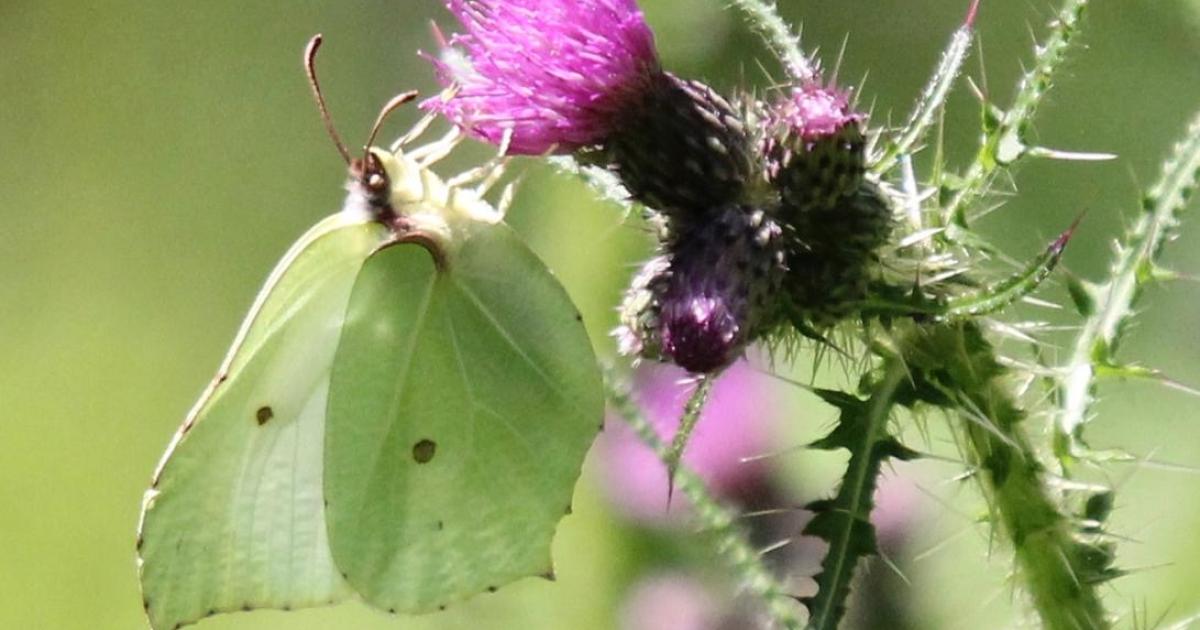
Sunny weather has led to a surge in butterfly sightings at Astonbury Wood Nature Reserve near Stevenage, and Hexton Chalk Pit to the west of Hitchin.
Conservationists at Herts and Middlesex Wildlife Trust are linking the seasonal boom to intensive habitat restoration on their reserves.
At Astonbury Wood Nature Reserve, male Silver-washed Fritillaries have been seen holding territory and feeding on brambles in the newly coppiced area and in the sunny glades.
Other species recorded at the site during the current sunny spell include brimstone, marbled white, red admiral, large skipper, and white-letter hairstreak.
Meanwhile, at Hexton Chalk Pit, more than 40 chalkhill blues were spotted during a recent butterfly walk.
The chalk grassland reserve supports a wide range of wildflowers, providing a feast for many species, including the Chalkhill Blue, Gatekeeper, Ringlet and Dark Green Fritillary.
Iain Ward, Wilder Woodlands and Reserves Officer at Herts and Middlesex Wildlife Trust, said: “It’s wonderful to see so many butterflies on the wing this summer.
“Warm sunshine certainly helps, but these numbers also reflect many hours of habitat restoration and careful management.
“Butterflies are sensitive indicators of the health of our environment, so when they thrive, it’s a sign that nature is recovering.
“By managing flower-rich grasslands, opening up sunny woodland glades and rides, while connecting habitats across our area, we’re giving butterflies the resources they need to survive not just this summer, but also for generations to come.”
Although butterflies are among the UK’s most recognisable wildlife, many species have suffered long-term declines due to habitat loss, changes in land use, and climate pressures.
The trust is encouraging the public to get involved in butterfly conservation by taking part in Butterfly Conservation’s Big Butterfly Count, which runs from July 17 to August 9.
The annual citizen science project invites people across the UK to record butterfly sightings and help conservationists monitor population trends.
Every count contributes valuable data that shapes future conservation actions.
Small changes at home can also make a difference, the trust said.
Allowing grass to grow longer, planting nectar-rich flowers, avoiding pesticides, and keeping sunlit corners of the garden undisturbed can all support butterflies.
Further information on the trust’s conservation work is available at hertswildlifetrust.org.uk.