
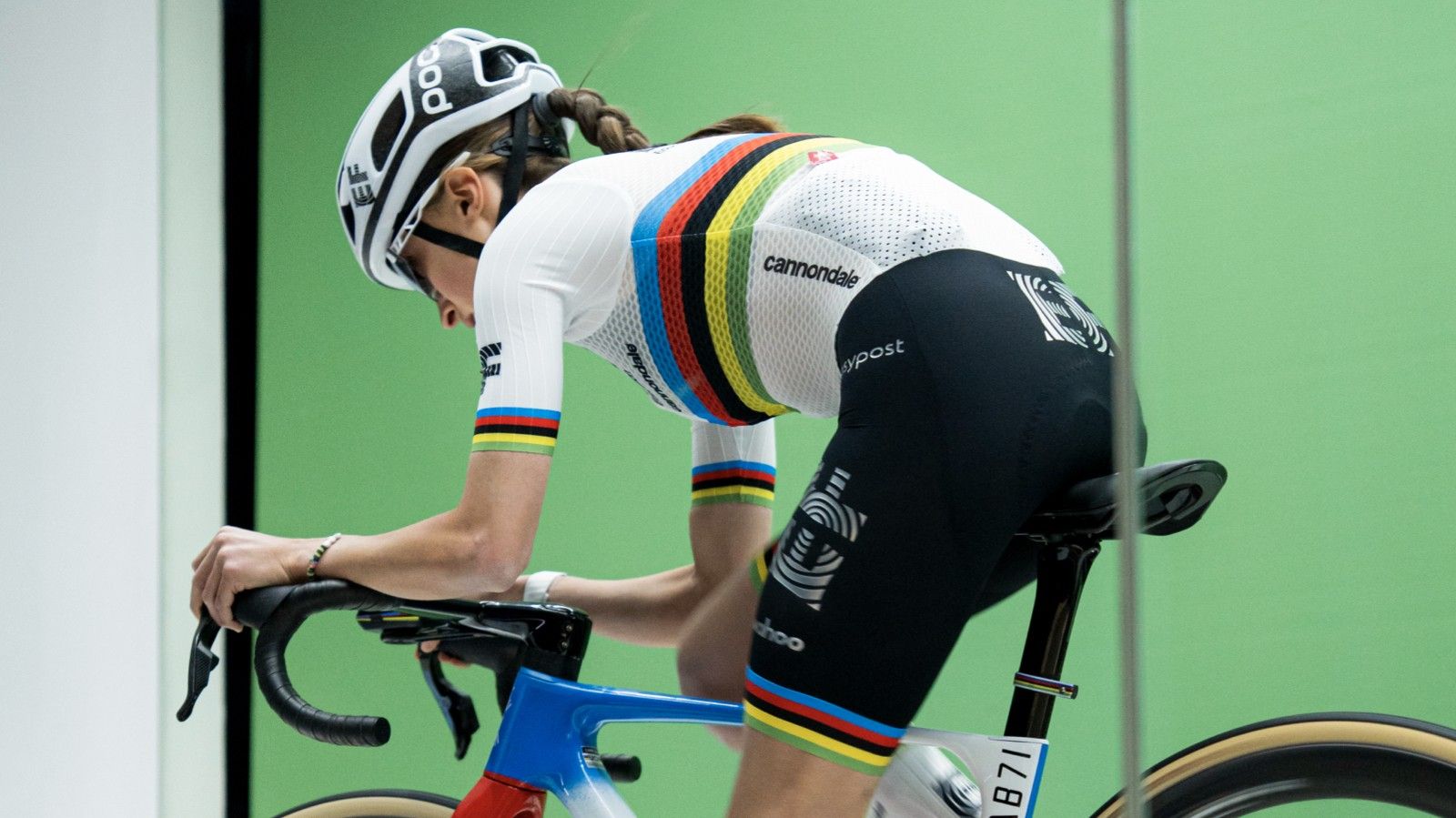
Aerodynamic advantage has become a key cycling battleground and not a week goes by without a new bike or wheelset being announced that’s X watts faster. But alongside aero equipment development, there’s a parallel arms race in aero optimisation of riders’ clothing.
Since the rider, not the bike, represents around 80% of the total frontal area, drag reduction in clothing design is arguably more significant. At the same time, it’s harder to quantify and optimise. While the bike and wheels are rigid structures, riders move around on the bike, and each rider moves around and sits differently, so the fastest clothing for one rider could be the slowest for another; it’s highly personal.
Our paying subscribers helped to fund this in-depth tech content. To ensure we can continue providing world-class cycling journalism, support Cyclingnews by subscribing today.
More than a dozen speedsuits
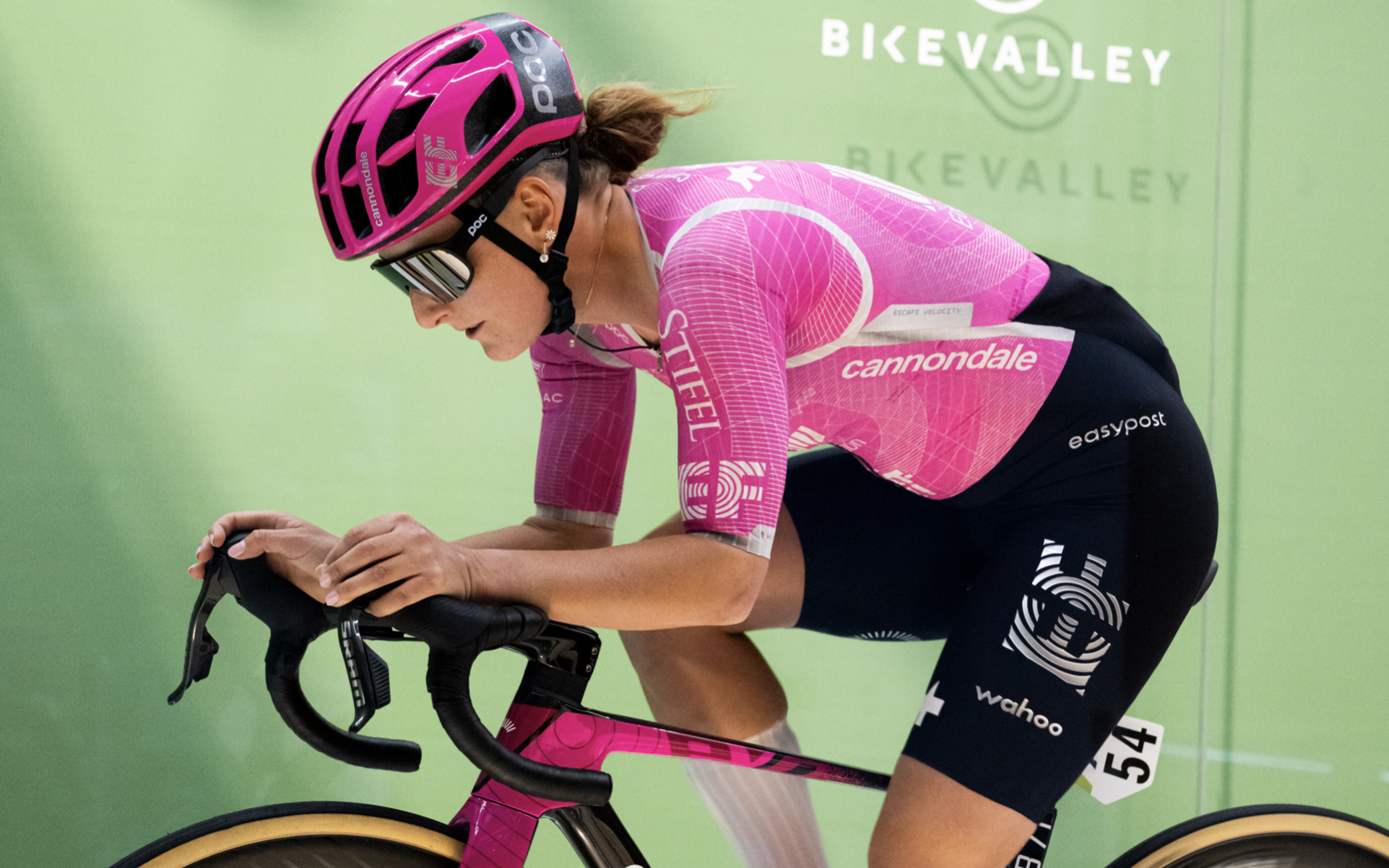
Assos supplies EF Pro Cycling riders with multiple speedsuits adapted for different conditions and roles during a race (Image credit: Assos)
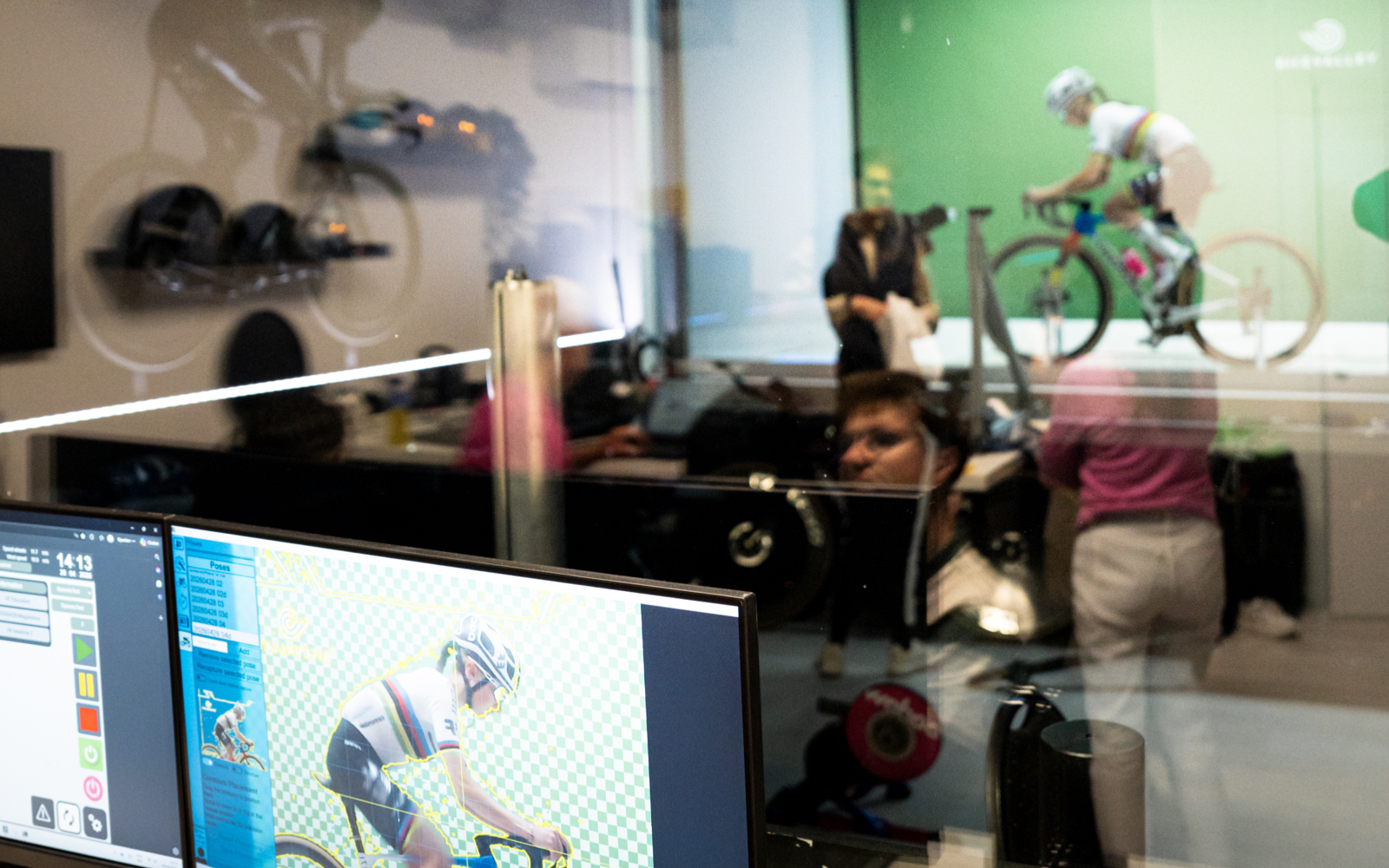
The same speedsuit may produce significantly different drag figures when worn by different riders (Image credit: Assos)
Have you read the latest tests from Cyclingnews Labs?

(Image credit: Future)
Different results for different riders
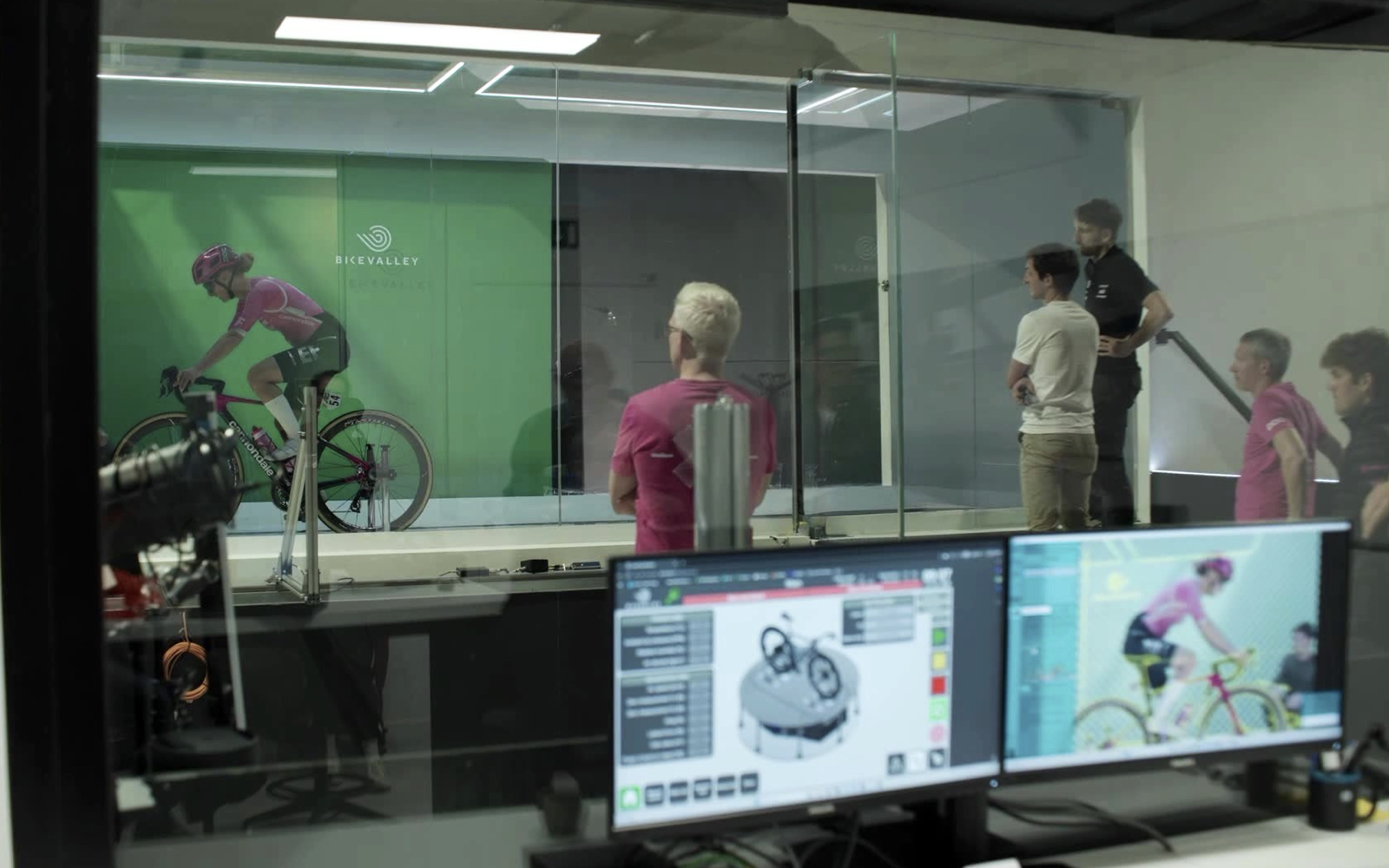
Testing is resource-intensive, with multiple days in the wind tunnel and more still in the Flanders Bike Valley climate chamber (Image credit: Assos)
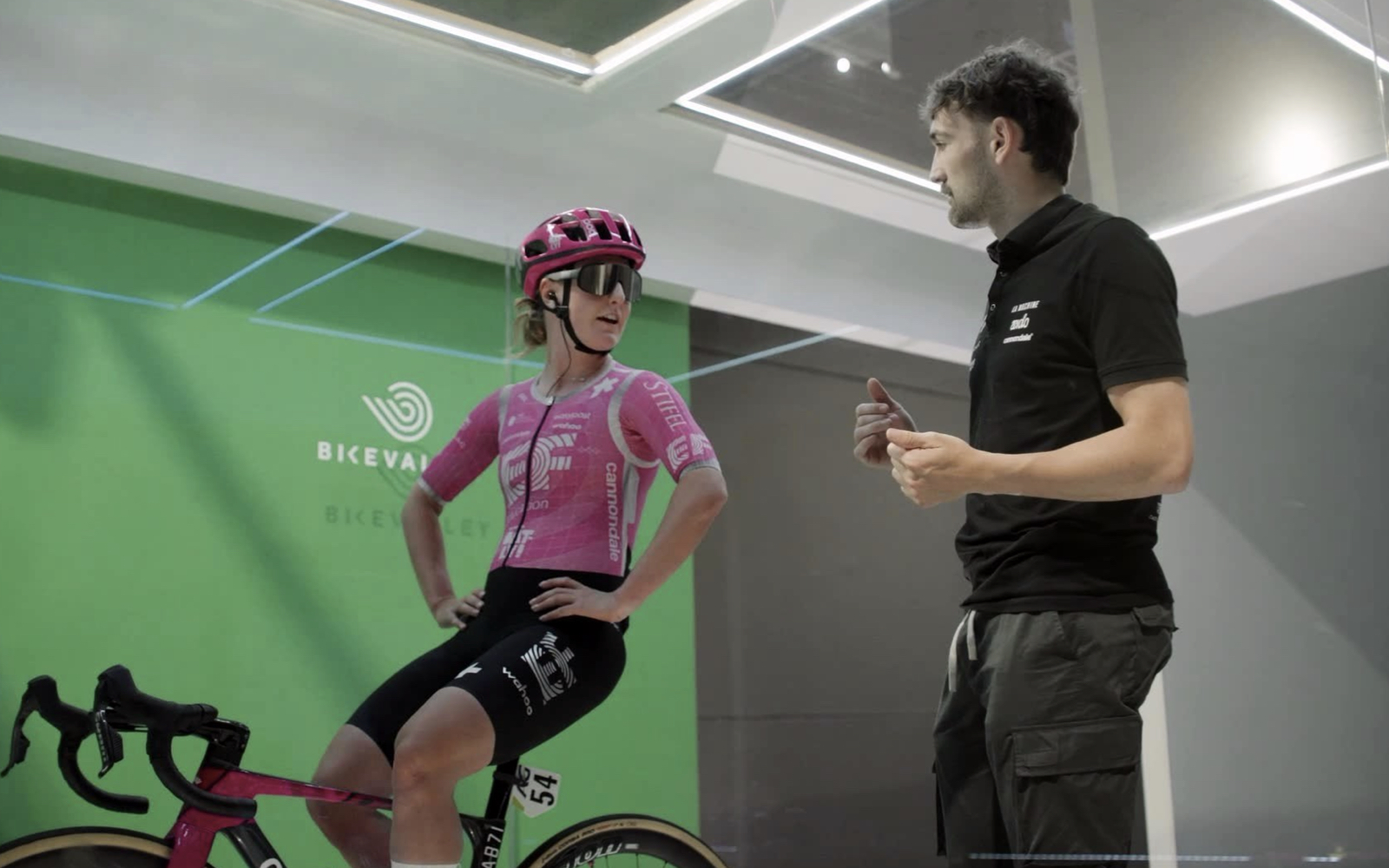
Kerbaol spent over four hours in the wind tunnel testing different Assos kit (Image credit: Assos)
Multiple options for poor weather