
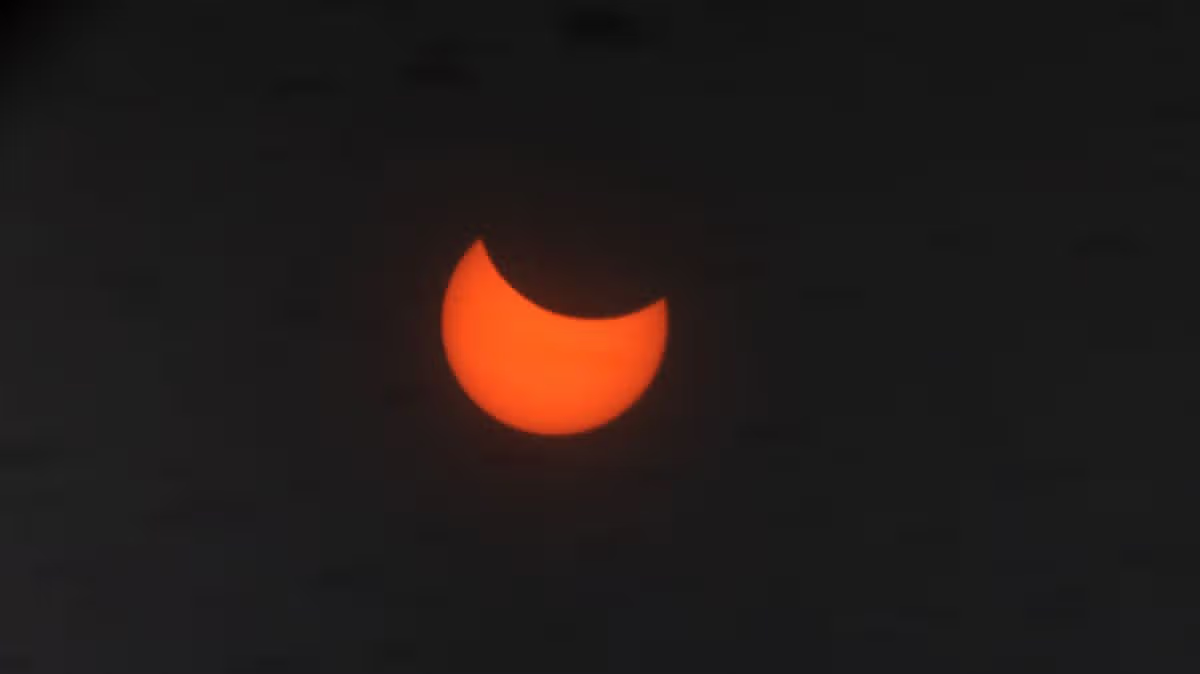
91 per cent of the sun will be covered in the Edinburgh sky during the event
12:59, 19 Jul 2026Updated 13:05, 19 Jul 2026
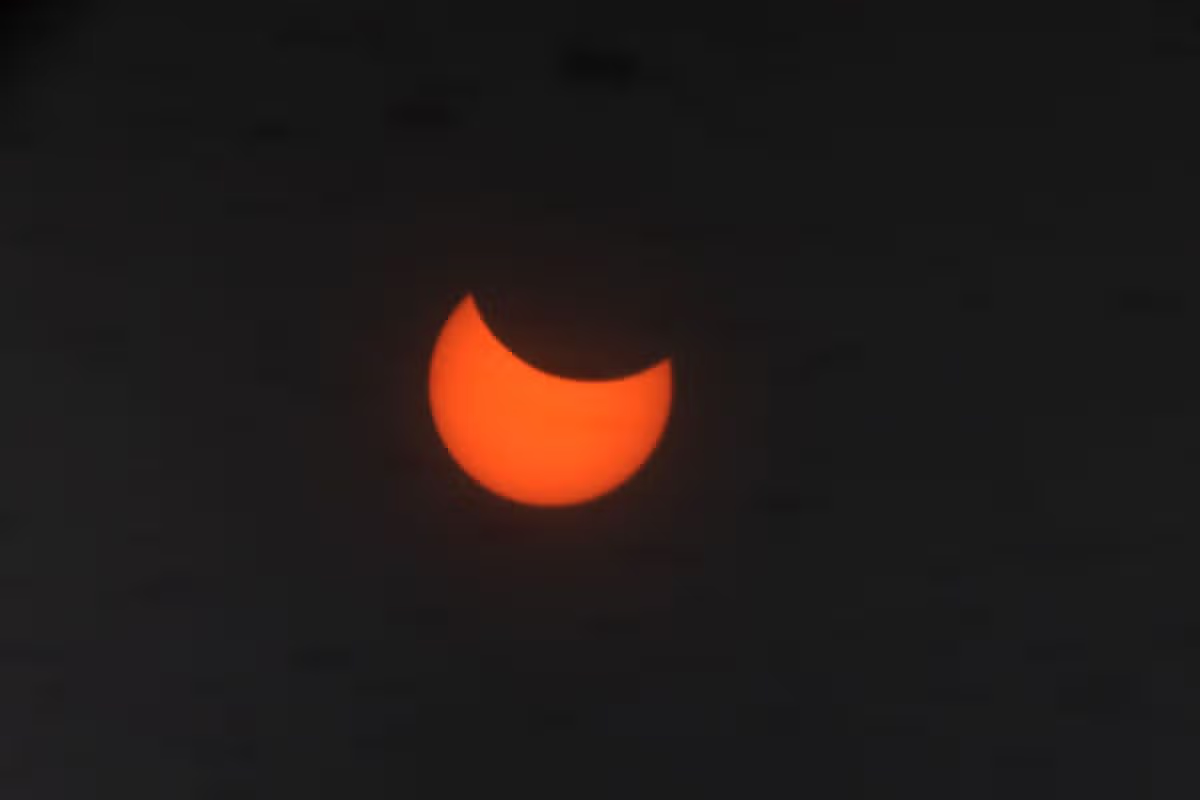
A partial eclipse is expected to hit in August.(Image: 2025 Getty Images)
People across the UK, including in Edinburgh, will get a spectacular display of nature’s power when a solar eclipse casts its shadow in August.
Parts of Europe – including Iceland and Northern Spain- will get a total eclipse that will turn night to day, while the UK will enjoy a partial eclipse, creating an eerie early twilight.
The eclipse will happen as the moon passes between the Earth and the Sun, for the UK blocking up to 95 per cent of the Sun’s light and even creating a dip in temperature for a while.
The eclipse will happen on Wednesday, August 12, and will create the greatest Sun cover seen from the UK and Ireland since the 1999 solar eclipse.
A spokesman for Royal Museums Greenwich said: “The new Moon and the Sun will gradually move closer together in the sky in the late afternoon. As the side facing us will be dark, the Moon will be invisible without specialist equipment.
“At 6.17pm from London (timings vary slightly from other parts of the UK and Ireland), ‘first contact’ will occur, when the Moon first covers part of the disk of the Sun. The Moon will move slowly in front of the Sun until roughly 90 per cent of the Sun is covered (the eclipse’s maximum). This will be at 7.12pm from London.
“At the maximum, enough of the Sun will be covered to make a noticeable difference in the temperature and light levels. However, unlike with a total eclipse, the sky will not become dark – it will feel more like a cloudy day or close to dusk or dawn. After the maximum, the Moon will then slowly move off the Sun’s disk until the eclipse ends, at 8.06pm from London. “
They added: “Getting to a high point with a clear view of the western horizon will allow you to see the whole event.”
Here is exactly when to look and how much of the Sun will be covered across different parts of the UK (all times are in BST):
Scotland (Edinburgh / Glasgow): The eclipse starts a little earlier here at 6:08pm. It reaches a peak coverage of 91 per cent at 7:05pm and finishes up by 8:00pm.
South West England (Cornwall / Plymouth / Truro): This region gets some of the best views in mainland Britain. The eclipse begins at 6:18pm, hits a maximum coverage of 95 per cent to 96 per cent at 7:16pm, and ends at 8:10pm.
Wales (Cardiff / Swansea / Pembrokeshire): The eclipse starts at 6:16pm. It reaches peak coverage of 93 per cent to 94 per cent at 7:13pm and finishes around 8:07pm.
Northern Ireland (Belfast): Skywatchers will see the eclipse begin at 6:10pm, reaching a deep peak coverage of 93 per cent at 7:08pm, and wrapping up by 8:03pm.
North West England & Midlands (Manchester / Liverpool / Birmingham): The partial eclipse begins at 6:13pm. It peaks with 91.5 per cent coverage at 7:10pm (7:11pm for Birmingham) and ends around 8:04pm.
London & South East England: The moon starts creeping over the Sun at 6:17pm. Maximum coverage will reach 91.4 per cent at 7:13pm, with the event ending at 8:06pm.
North East England & Yorkshire (Leeds / Newcastle): The eclipse starts at 6:12pm, reaches a maximum coverage of 90.5 per cent at 7:09pm, and concludes at 8:03pm.
Because this is a partial eclipse and the Sun is never completely covered in the UK, it is never safe to look directly at it without certified ISO 12312-2 eclipse glasses. Regular sunglasses or makeshift filters will not protect your eyes.