
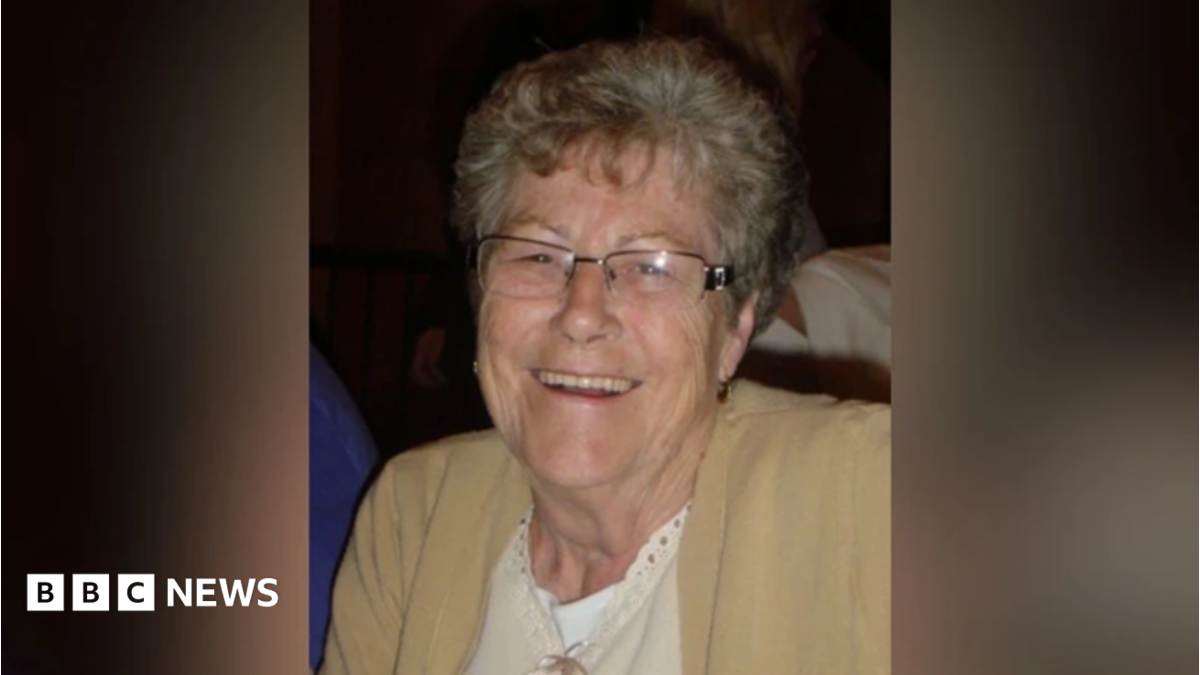
A report was made to the council after Barrett’s fall, and the road was inspected on 31 December before being filled on 2 January.
Walton initially told the hearing that a pothole that had been thought to have caused Barrett’s fall had been missed during the 1 December road inspection, because the inspector deemed it not deep enough to need filling in, but did not consider the lower threshold for potholes on pedestrian crossings.
After reviewing dashcam images of the fall during his evidence, Walton clarified that Barrett had not tripped on that pothole, but on a less severe road defect that did not require repair.
Walton said they were dealing with “multiple thousands” of calls about the conditions of the roads, which he said could deteriorate quickly due to the wet wintry weather.
“We were dealing with unprecedented levels of demand,” he said.
“There were a number of defects at the time which were not repaired during the KPI [key performance indicator] window.”
In his conclusion, Hartley said: “The leading wheel of the three-wheeled frame became stuck in the road, which caused her to lose her balance and fall.
“The defect thought to have been responsible was not in fact the cause of the fall.”
The coroner added any defect “was not actionable at the point of the fall”, but said he would write to the county council and Via over concerns about not “having a process in place that allows them to triage [calls] made to them” about the condition of the roads.
Hartley said he was concerned “there’s a future risk to others” and would issue a prevention of future deaths report to Nottinghamshire County Council, Via East Midlands and the UKRLG.
The coroner said: “They do not appear to have a process in place that allows them to triage referrals alerting them to concerns about the state of the highways.”
He said no review of the road Barrett fell on was done for 12 days, even though it was suspected she had tripped on a pothole.
Hartley said there was no system to prioritise the most severe road defects for urgent inspection.
He added that the UKRLG, which published a code of practice for managing roads, makes no specific recommendations about vulnerable pedestrians using walking aids with small wheels.
Following the inquest’s conclusion, David Langford – director of highways, transport and waste management at the council – said: “Since this incident, we have been looking at the details of this case.
“Once we have received the letter of recommendations from the inquest, we will work with colleagues at Via to undertake a thorough review of our policies and procedures, and look at ways to make improvements which may help to avoid similar incidents occurring in the future.”