
This post is part 1 of a series.
This week, like most weeks this year, disasters have happened around the world that have irrevocably changed people’s lives: Earthquakes in Peru and Venezuela, Flooding in Laos, Wildfires in Canada and the US and many many more events that barely made the news.
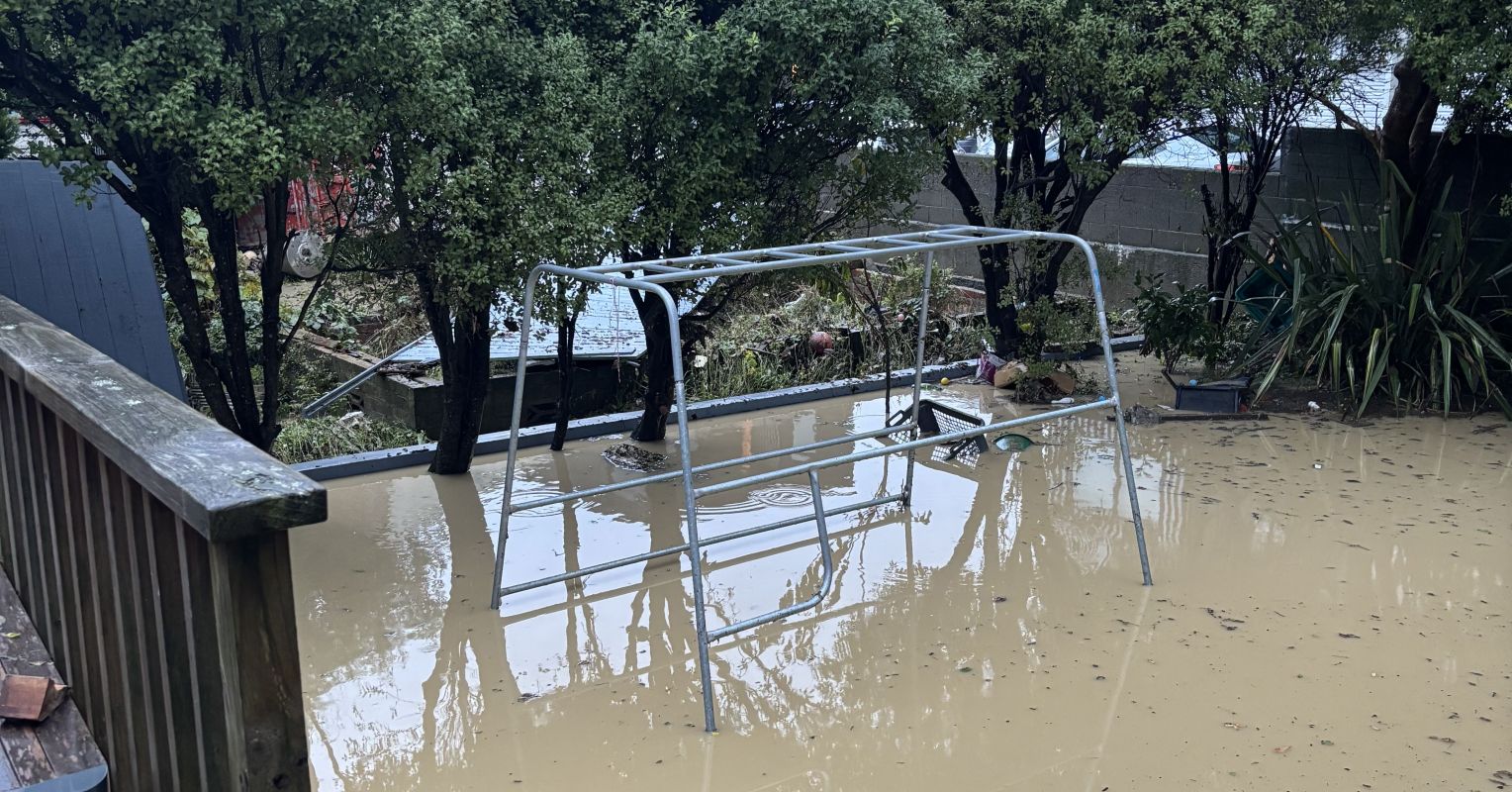
In April, my suburb in Wellington, New Zealand was hit by the heaviest rainfall for the area on record. The amount of rain that normally falls in half a month in April, came crashing down in one hour. At 3.30am, we were woken by the intense noise of rain on the roof and pipes gurgling. A few minutes later we saw some rain coming through the gap under our front door, but by the time we ran to get towels we realized it was too late. The water could not be stopped. We woke the children and told them to sit on the couch, but soon the couch was floating. By 4am, we were waist-deep in water throughout the house. We climbed into our attic and waited for the fire department to come and help us evacuate across the river that was flowing where our street had been. We spent the next week throwing out everything in our house that was below waist height, including the carpet and insulation behind the walls, along with all our furniture, whiteware, shoes, toys and books. The worst part was telling our children that our cat had drowned under the house. In the past few months we have had to find a home to rent, borrow furniture and deal with insurance and tradespeople. All of this while we still have our regular busy lives, jobs, school, activities.
I’m a psychologist who works with trauma, stress and life changes. One of the many things that has been frequently running through my brain (in between worrying about whether my kids are ok and then trying to remember details for insurance claims or make rebuilding decisions) is to ask myself whether I can say that I’ve been genuinely following the advice I would give to clients I work with. Every day I talk to people who have been through awful life experiences and they look at me like I’m the expert with all the right advice. More specifically, I’ve been reflecting on whether the principles of Acceptance and Commitment Therapy, which are the ideas I have based my books Holding the Heavy Stuff and Stuff that Sucks on, help me in trauma.
Spoiler alert: Yes, they have. But also, it wasn’t easy. Knowing what helps doesn’t always make it easy to do.
Five days after the flood, the day after we had finished loading up a sixth giant dumpster bin with our belongings, I lay in bed. Well, I say ‘bed’, but it was a sofa bed in the home of our very kind friends who had us stay for that first week. I was done. I felt I had to avoid my kids because I was supposed to be putting on a brave face for them and I just wanted to sob (but annoyingly my body wouldn’t even let me do that yet). I couldn’t imagine how we could begin to rebuild and live with the anxiety of waiting for another one-in-a-hundred year storm (they seem to happen every few weeks these days).
My wife suggested that we go for a short walk. I didn’t want to leave the bed. I just wanted to lie there, feeling sorry for myself, ruminating over how hard everything was. But I also knew that taking a walk around the block would be the exact advice I would give to a client who had been through similar challenges. I reluctantly got out of bed and threw some clothes on and we went for a 15-minute walk.
It really was only 15 minutes but it was all I needed to catch my breath and to take a break from my doom-spiraling brain. It was all I needed to notice that in this moment, we have a place to stay, we all got out, and we were going to figure it out one step at a time.
So why does a brief walk help? It didn’t fix my house, nor give me any solutions. But it woke my senses up – seeing, hearing, feeling where I am right now. Right now is the only time we can do anything, whereas when we are down, our minds want to problem-solve things that have already happened or how to deal with possible futures. Feeling the sun on my face also helped my body notice that the rain had stopped and the storm had passed. Walking with my wife allowed us to connect to what really matters: how we best support our kids and ourselves today. Bumping into a friend on the walk allowed me to receive a much-needed hug and some caring.
In my next few posts, I will talk about how I used each of the ACT processes to help me manage losing our house and our cat — and having to rethink everything I thought I knew about where our life was heading. But please remember, the starting point after a trauma is the small things – hugs, walks around the block, feeling the sunshine, catching your breath. Without these small steps, there’s no opportunity for the bigger steps that come next.