
 Play Brightcove video
ITV News Political Correspondent Romilly Weeks speaks to commuters in Bath about how the price cap will affect them
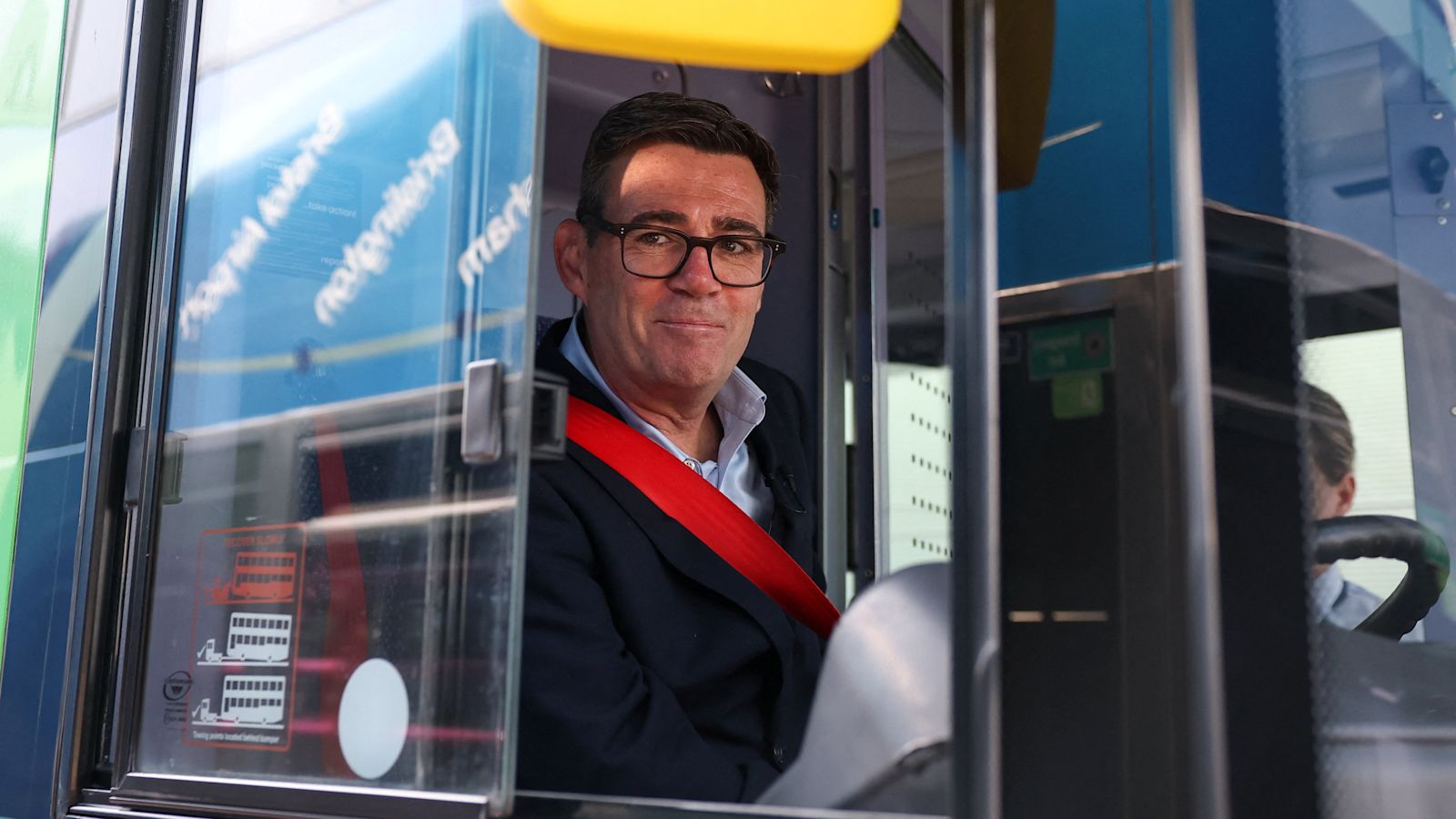
Andy Burnham has announced a £2 cap on single bus fares across England from January, saying the move will help “put money in people’s pockets”.
It comes after the prime minister pledged to lead a “cost-of-living government” during his first Cabinet meeting on Tuesday.
The nationwide cap is currently set at £3 until the end of March 2027, although some areas, including London and Greater Manchester, where Burnham set a £2 limit as mayor, have lower top rates for single tickets.
The new prime minister said the measure “will help people with the cost of living”, adding that it would remain in place throughout 2027.
He said: “The public’s priority is reducing cost of living pressures, and that’s what I’m doing.”
Andy Burnham’s £2 bus fare cap will come into effect in January Credit: PA
Burnham also argued that “good, affordable transport links are essential” and that “no one should be priced out of them and left behind”.
Rejecting claims that cheaper public transport “isn’t an option”, he said: “I’ve done it before and I will do it again: a £2 cap on bus fares for millions of people across the country.”
He insisted his new policy proposals would not require tax rises in his first budget, while also declining to rule out increasing the personal allowance threshold, an idea he has repeatedly discussed ahead of entering No 10.
On Tuesday, Andy Burnham told his ministers he would lead a “cost of living” government. Credit: PA
Returning Transport Secretary Heidi Alexander told ITV News the move will “make a big difference” as she reassured that the scheme was “fully funded”.
The measure is backed by £454 million of funding, including money to allow devolved governments to take similar action.
Some £400 million of that funding will come from switching investment in international climate finance to loans, with the rest from savings in the Department for Energy Security and Net Zero budget.
The total cost of the scheme is expected to be more than £500 million, with the rest coming from Department for Transport funding already allocated to buses.
Burnham chose to keep Heidi Alexander as transport secretary Credit: PA
Alexander added: “You won’t be getting any unfunded spending commitments from this government. Andy Burnham has been clear that he will be respecting the fiscal rules.”
She reassured that it would be beneficial to “millions of people” who don’t have access to a car.
“Whether it’s a trip to the shops, getting to work, being able to get to see your GP, this is the way that a lot of people get about. Not just in towns and cities, but rural areas as well,” she said.
A £2 cap had been in place between January 2023 and December 2024, but the incoming Labour administration argued it was not affordable, although some metro mayors, including Burnham, decided to fund an extension of the lower limit in their areas.
Chancellor John Healey said “millions of people” would benefit from fares being slashed by a third and insisted the measure could be paid for.
“This action to ease the cost of living is funded by savings made elsewhere, so there’s no burden to British taxpayers, just pounds going back into their pockets,” he said.
Shadow Chancellor Mel Stride expressed scepticism around the funding of the scheme, adding: “It leads to a conclusion that we are probably heading towards tax increases.”
Subscribe free to our weekly newsletter for exclusive and original coverage from ITV News. Direct to your inbox every Friday morning.
The announcement is the latest in a series of measures the new prime minister says he intends to announce to give the British public “breathing space” in managing their finances.
On Tuesday, Burnham said his government would remove VAT on household electricity bills from October.
His newly appointed chancellor, John Healey, acknowledged the policy would not “solve the cost of living” but said it would help 29 million homes feel better off.
The VAT rate on household electricity will be cut from 5% to 0% starting on October 1 for six months until the end of the financial year in March. It is expected to take £45 off the annual price cap.
The policy will cost the Exchequer around £850 million in 2026/27, with the government claiming it will be funded by scrapping Starmer’s digital ID scheme, despite former minister and Starmer loyalist Darren Jones claiming the ID scheme was yet to have funding allocated.
Consumer expert Martin Lewis also voiced doubts, saying, “in practice people won’t feel much benefit”, particularly as the energy price cap is predicted to rise 3.1% in October, meaning the saving will be less noticeable.
From Westminster to Washington DC – our political experts are across all the latest key talking points. Listen to the latest episode below…