
In February 1951, a machine the size of a room arrived at the University of Manchester.
The Ferranti Mark I, the world’s first commercially available general-purpose computer, came with 4,000 valves, 100,000 soldered joints and six miles of wires. The 27 kilowatts of power it needed to operate is the equivalent of running roughly 600 mid-range laptops today, yet at the time, it must have felt miraculous.
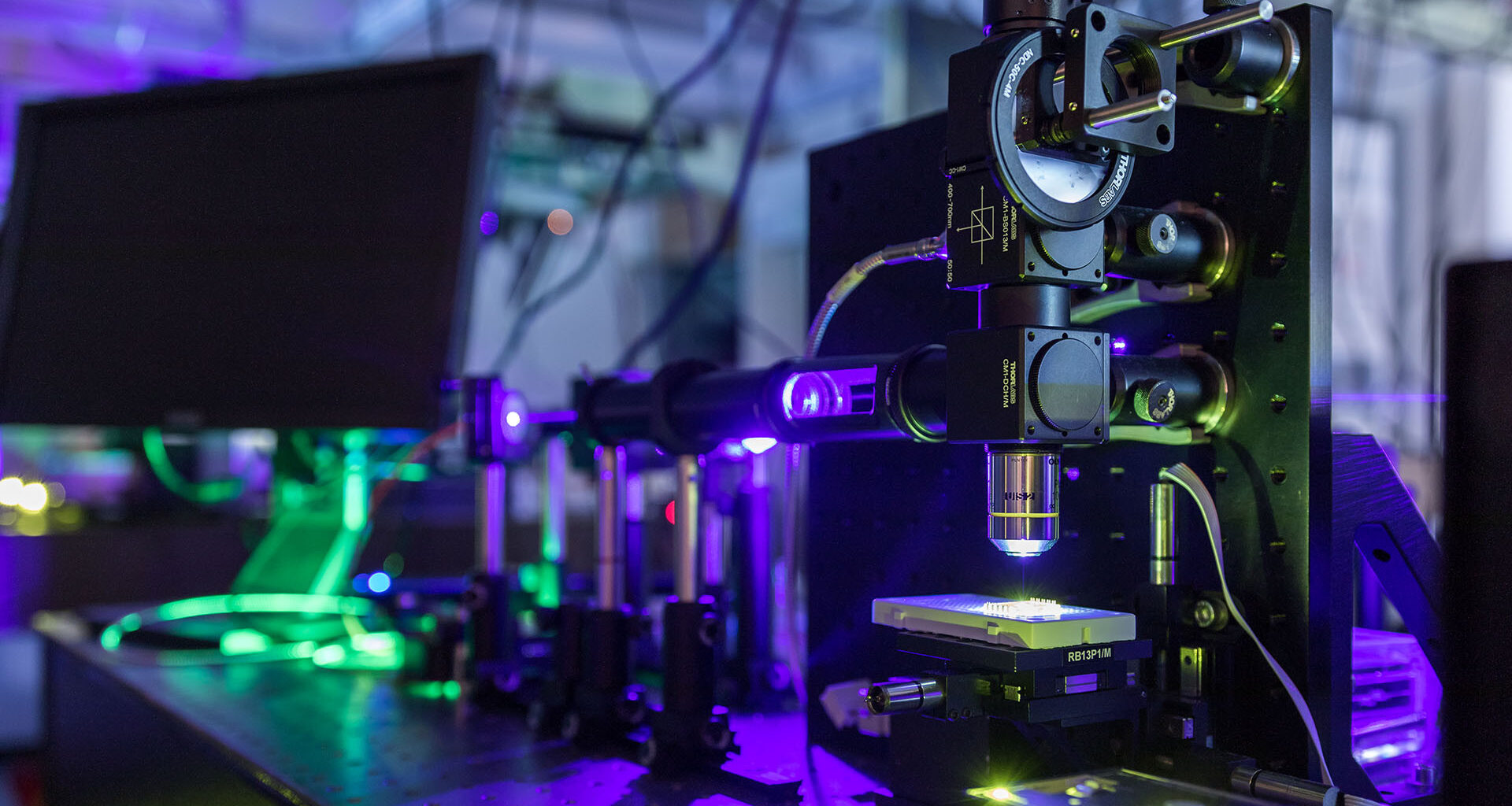
Seventy-five years on, and Manchester is still working at the frontier of computing. The machinery might be different – something far smaller than 2.5-metre-tall towers – but the research teams are asking the same question: can you turn a theory into a device that changes the world?
The answer in 2026, involves silicon, single atoms and the strange laws of quantum physics.
‘;