

Andy Burnham and new Chancellor John Healey have committed to making sure pensioners whose only income is the state pension will not pay income tax, The i Paper can reveal.
From next year the state pension will be dragged into taxation for the first time, unless the freeze on the personal tax allowance is lifted. The state pension is currently £12,547.60 a year, just £22.40 below the personal tax allowance of £12,570 – the amount of income that can be gained before tax is paid.
Because of the state pension triple lock, which sees pensions rise by the higher of inflation, wage growth or 2.5 per cent, the state pension will exceed the personal allowance from April, making a small amount of tax due for those receiving the benefit alone.
Shorts
Scroll to previous short
Scroll to next short

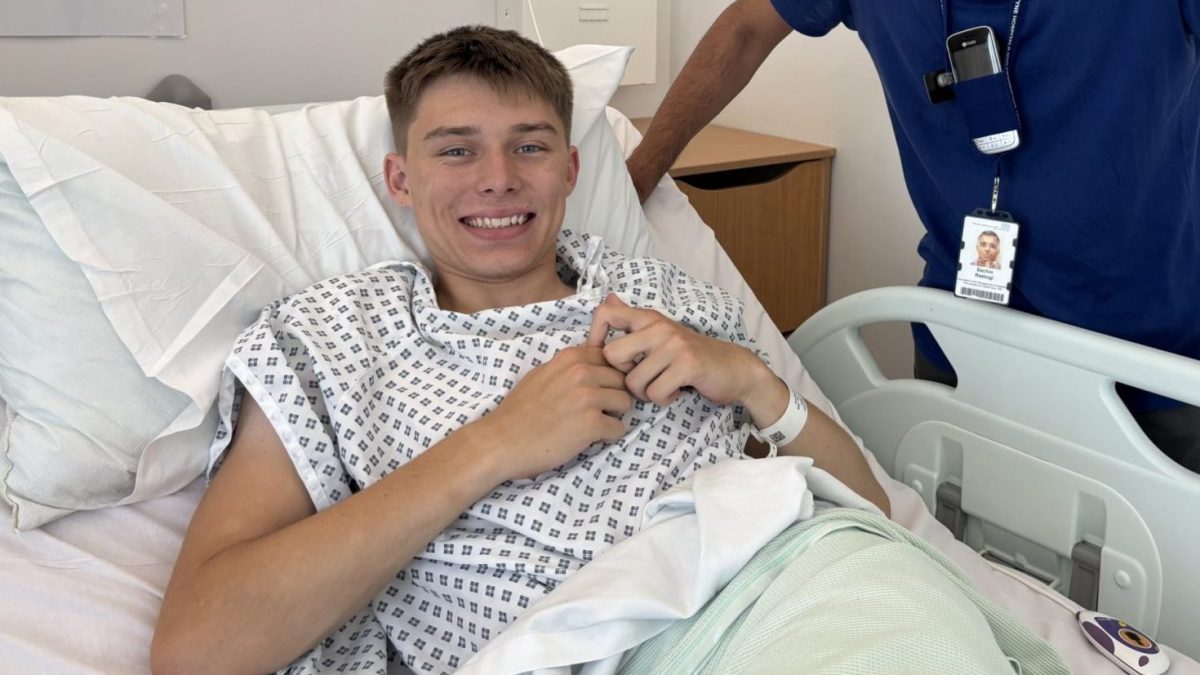 Caption: EMBARGOED TO 1400 THURSDAY JULY 23
Undated handout photo issued by Newcastle Hospitals of Dr Rastogi with Ralph Seed after fitting a pain-relieving implant to Ralph spinal cord to ease an agonising condition. Ralph has suffered from Complex Regional Pain Syndrome in his foot which meant the slightest touch was excruciating, leaving him unable to walk or put pressure on it. Issue date: Thursday July 23, 2026. PA Photo. Photo credit should read: Newcastle Hospitals/PA Wire
NOTE TO EDITORS: This handout photo may only be used for editorial reporting purposes for the contemporaneous illustration of events, things or the people in the image or facts mentioned in the caption. Reuse of the picture may require further permission from the copyright holder.
Photographer: Newcastle Hospitals
Provider: Newcastle Hospitals/PA Wire
Source: PA
HEALTH
Implant brings pain relief to teenager in UK first
A patient has become the first teenager in the UK to have a pain-relieving implant fitted to his spinal cord to ease an excruciating condition.
Ralph Seed, 18, has suffered from Complex Regional Pain Syndrome (CRPS) in his foot for five years, which has made the slightest touch very painful, leaving him unable to walk or put pressure on it.
A groundbreaking solution
Mr Seed, from Washington, Tyne and Wear, last year contemplated having his foot amputated after multiple ineffective treatments, including powerful pain killers, physiotherapy and psychological support.
Now he has become the first teenager in the UK to have been fitted with a pioneering implant device at the Royal Victoria Infirmary in Newcastle.

LIFESTYLE
4 min read

NEWS
2 min read
What he says
For the first time in my life, I’m pain free. My mum was emotional and so was I. It’s not really hit me, I still can’t get my head around it. I’m hoping the implant is going to help me get my life back again. I kept going, but I couldn’t plan before as I had to think about how I would cope with pain. Now I am planning my future working with cars and going on a road trip with my family.
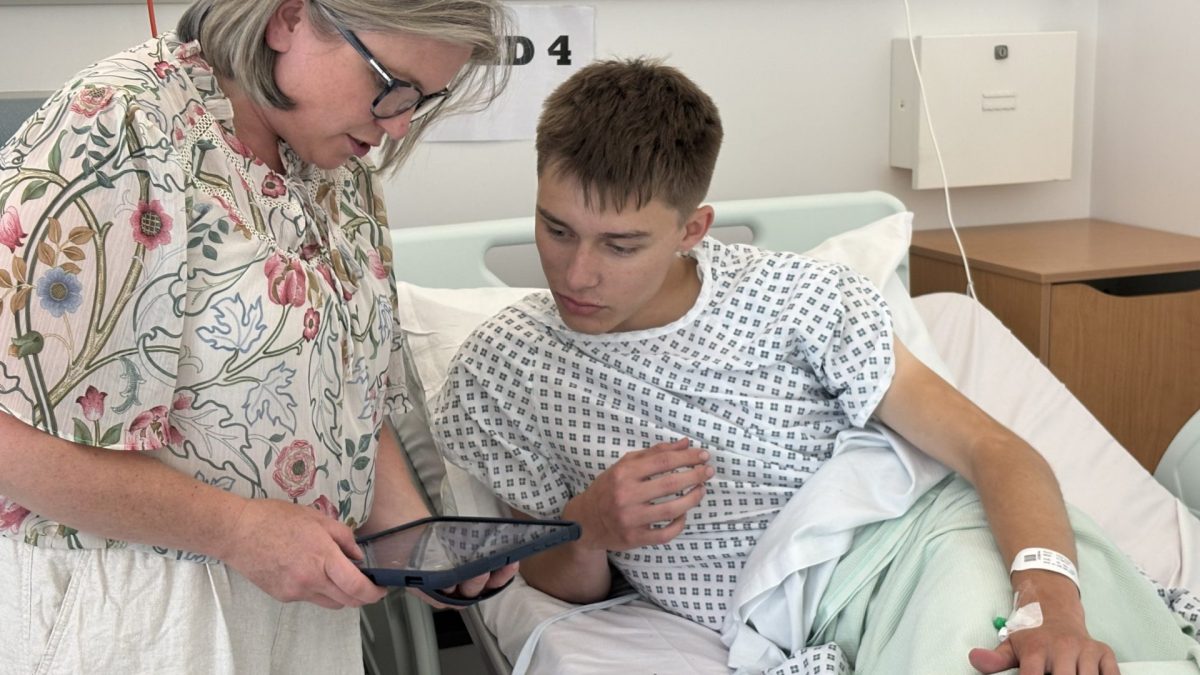 Caption: EMBARGOED TO 1400 THURSDAY JULY 23
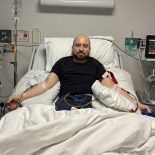
Undated handout photo issued by Newcastle Hospitals of Ralph Seed after having a pain-relieving implant fitted in his spinal cord to ease an agonising condition. Ralph has suffered from Complex Regional Pain Syndrome in his foot which meant the slightest touch was excruciating, leaving him unable to walk or put pressure on it. Issue date: Thursday July 23, 2026. PA Photo. Photo credit should read: Newcastle Hospitals/PA Wire
NOTE TO EDITORS: This handout photo may only be used for editorial reporting purposes for the contemporaneous illustration of events, things or the people in the image or facts mentioned in the caption. Reuse of the picture may require further permission from the copyright holder.
Photographer: Newcastle Hospitals
Provider: Newcastle Hospitals/PA Wire
Source: PA
How does it work?
It uses spinal cord stimulation to disrupt the signals travelling to the brain in real time.
A tiny battery under the skin provides a small electrical pulse to the spinal cord to block the pain signals.
It is a “closed loop”, meaning it reacts to the patient’s movement, using the body’s own signals to adapt and adjust the stimulation to meet their needs.
Analysis
3 min read
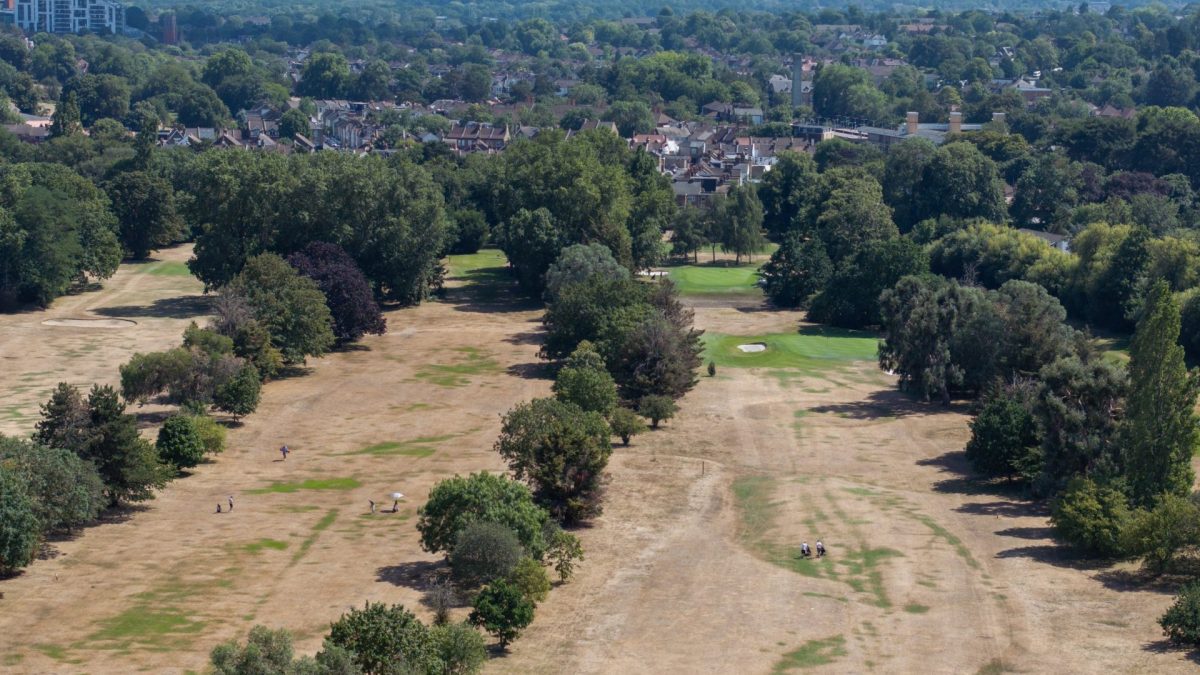 Caption: LONDON, ENGLAND – JULY 15: An aerial view of dried grass at Shortlands Golf club on July 15, 2026 in London, England. A new report from the Met Office, responsible for the country’s weather forecasts, says that weather once regarded as extreme is now the new normal, showing that the hottest day of the year in the south of England is now typically 4.5C degrees warmer than it was between 1961 and 1990. The report also confirmed that 2025 was the warmest year on record since data started being collected in 1884. (Photo by Dan Kitwood/Getty Images)
Photographer: Dan Kitwood
Provider: Getty Images
Source: Getty Images Europe
Copyright: 2026 Getty Images
WEATHER
Dry spell to end this weekend – but for how long?
Rain is expected to return this weekend as parts of the UK are on the brink of drought.
June was actually wetter than average in the UK, but for England and Wales the majority of that rain came down in the first two weeks of the month.
Recent weather – and what’s coming next
Most of England has recorded less than 10mm of rain since 15 June with large areas of central southern England seeing 3mm or less.
Wisley in Surrey has had no rain at all for 36 consecutive days.
Most of Wales has seen less than 25mm of rain since mid-June.
But this weekend, the hills of Northern Ireland, northern England and north Wales will have 5-10mm of rain.
Western Scotland will be wetter, with 10-20mm over high ground.
The rain is likely to be lighter and patchier in the Midlands, southern and east England.
How long will the rain last?
Little, if any, rain is expected in the south and east next week. Rain will be concentrated in the north-west of the UK, and perhaps in the Highlands late in the week.
In August, there could be another heatwave forming in Spain and France, though it’s too soon to say whether that will reach the UK.

NEWS
4 min read
NEWS
4 min read
go deeper on the weather
How you can heatwave-proof your home – and what it will cost you

Even for the most dedicated sun-lover, the novelty of Britain’s series of heatwaves wore off long ago. Weeks of baking temperatures with no rain have caused wildfires and left gardeners facing hosepipe bans and farmers reporting poor harvests.
POLITICS
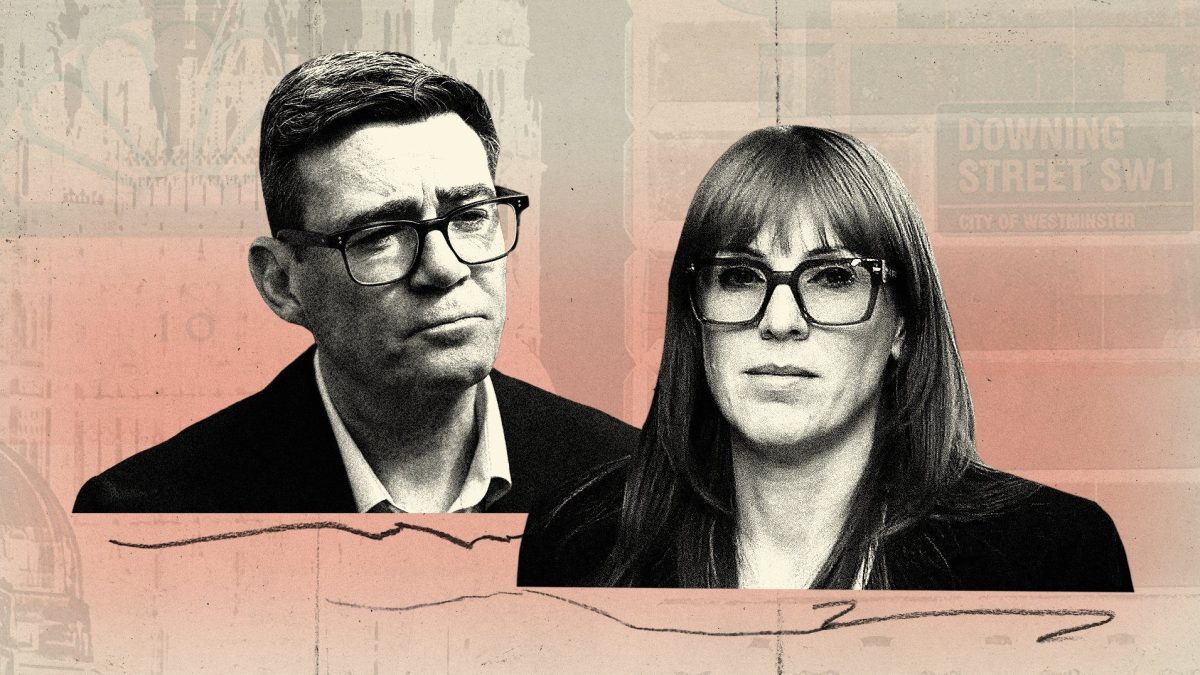
Rayner kept out of Burnham’s inner circle

Angela Rayner has been frozen out of Andy Burnham’s inner circle despite securing a prominent role in his new Cabinet, it has been claimed.
Several senior Whitehall sources said Rayner tried to slow Burnham’s return to Parliament as she still harboured leadership ambitions of her own, The i Paper has been told.
What we know
Supporters of Rayner, who returned as Housing Secretary on Monday, strongly deny the claims, pointing to her support for him when he was blocked from running in the Gorton and Denton by-election.
No 10 declined to comment, but they do not deny that she is not part of Burnham’s inner circle – which is said to revolve around Louise Haigh and Anneliese Midgley – and admit she was not as intrinsically involved in his Makerfield by-election campaign.

Exclusive
2 min read
Exclusive
3 min read
Why is Rayner excluded?
Rayner has never been far from the limelight and has often been a lightning conductor for dissent within the party.
She previously canvassed support for her own exploratory Labour leadership bid but support from the left flank of the party instead flowed towards Burnham.
Exclusive
3 min read
Watch more from The i Paper
Friend of Manchester synagogue attacker jailed for life over MoD terror plan
A man who planned a terror attack with his friend who went on a fatal knife rampage at a Manchester synagogue less than two months later has been jailed for life with a minimum term of 17 years.
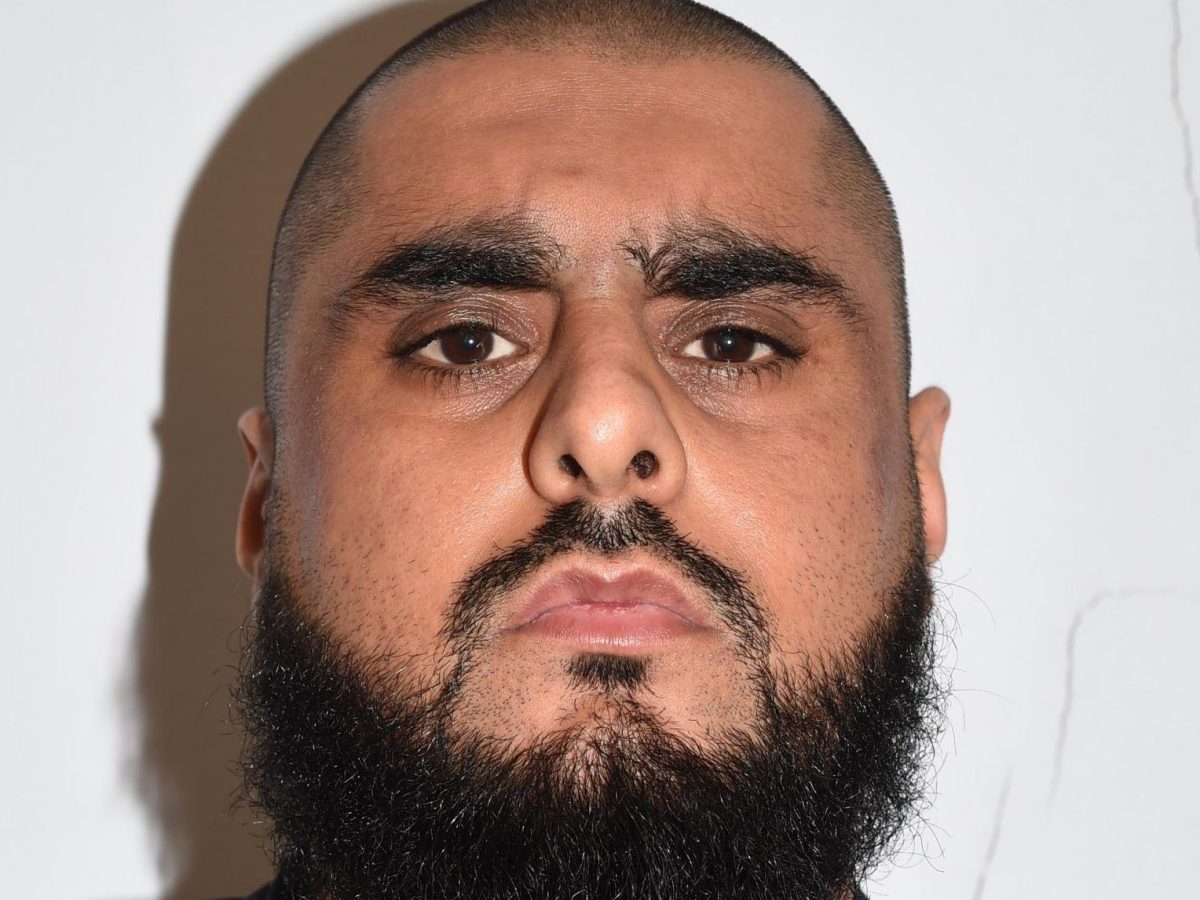 Caption: Undated handout photo issued by Greater Manchester Police of Mohammad Bashir, 31, of Shaftesbury Road, Cheetham. Last month, Bashir, pleaded guilty to the preparation of terrorist acts. The “long-standing, committed jihadist” planned a terror attack on a defence base with the man who went on to commit a fatal knife rampage at a Manchester synagogue, Manchester Crown Court court has heard. Bashir, 31, drove Jihad Al-Shamie, 35, on a 10-hour round trip to conduct hostile reconnaissance at the UK Defence Academy in Shrivenham, Swindon, on August 14 last year before they deliberately disposed of their mobile phones. Less than two months later, Al-Shamie was shot dead by police on October 2 while he carried out his terrorist attack at the Heaton Park Hebrew Congregation synagogue in which two worshippers were killed. Issue date: Wednesday July 22, 2026. PA Photo. Photo credit should read: Greater Manchester Police/PA Wire NOTE TO EDITORS: This handout photo may only be used for editorial reporting purposes for the contemporaneous illustration of events, things or the people in the image or facts mentioned in the caption. Reuse of the picture may require further permission from the copyright holder.
Photographer: Greater Manchester Police
Provider: Greater Manchester Police/PA Wire
Source: PA
What you need to know
Mohammad Bashir, 31, drove Jihad Al-Shamie, 35, on a 10-hour round trip to conduct hostile reconnaissance at the UK’s Defence Academy in Shrivenham, Swindon, last year, Manchester Crown Court heard.
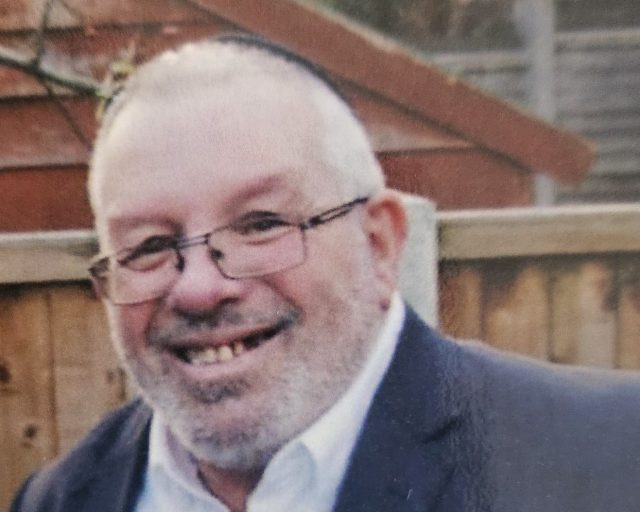 Caption: Undated family handout photo issued by Greater Manchester Police of Melvin Cravitz, 66, who died along with Adrian Daulby, 53, during the Heaton Park Hebrew Congregation synagogue attack in Crumpsall, Manchester. Issue date: Friday October 3, 2025. PA Photo. Three people have been arrested on suspicion of planning the terror attack carried out by Jihad Al-Shamie, who was shot dead by police seven minutes after officers were alerted to the attack on Thursday morning. Photo credit should read: Family Handout/PA Wire
NOTE TO EDITORS: This handout photo may only be used in for editorial reporting purposes for the contemporaneous illustration of events, things or the people in the image or facts mentioned in the caption. Reuse of the picture may require further permission from the copyright holder.
Photographer: Family Handout
Provider: Family Handout/PA Wire
Source: PA
Copyright: PA
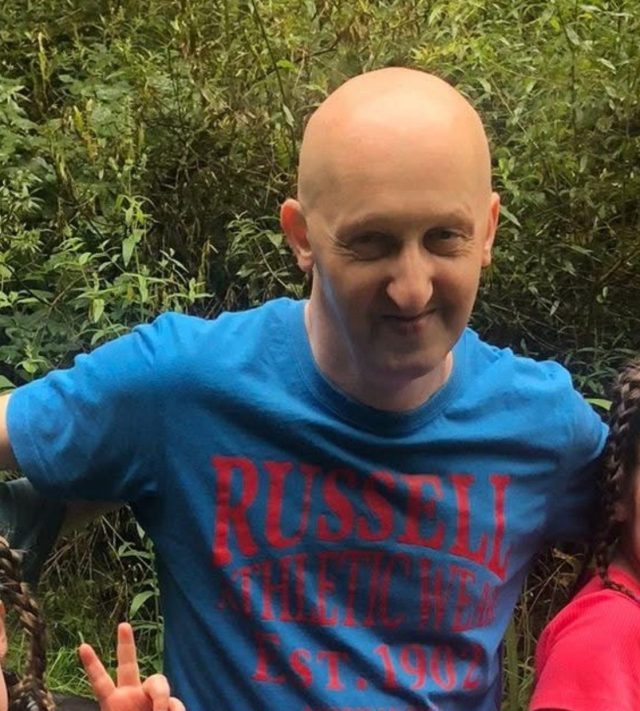 Caption: Undated family handout photo issued by Greater Manchester Police of Adrian Daulby, 53, who along with Melvin Cravitz, 66, died during the Heaton Park Hebrew Congregation synagogue attack in Crumpsall, Manchester. Issue date: Friday October 3, 2025. PA Photo. Three people have been arrested on suspicion of planning the terror attack carried out by Jihad Al-Shamie, who was shot dead by police seven minutes after officers were alerted to the attack on Thursday morning. Photo credit should read: Family Handout/PA Wire
NOTE TO EDITORS: This handout photo may only be used in for editorial reporting purposes for the contemporaneous illustration of events, things or the people in the image or facts mentioned in the caption. Reuse of the picture may require further permission from the copyright holder.
Photographer: Family Handout
Provider: Family Handout/PA Wire
Source: PA
Copyright: PA
On 2 October, Adrian Daulby (left) and Melvin Cravitz (right), were killed in a separate incident at Heaton Park Hebrew Congregation synagogue. Syrian-born UK citizen Al-Shamie was shot dead by police outside the building.
‘Firmly committed jihadist’
Last month, Bashir pleaded guilty to the preparation of terrorist acts.
Prosecutors said there was no evidence to suggest the defendant was involved in the Heaton Park incident, but the planned attack on the defence facility was similar.
Mrs Justice Cheema-Grubb told Bashir that by August last year he had become a “firmly committed jihadist” and together with Al-Shamie was “equally engaged” in planning an attack on a British military target.

NEWS
2 min read
‘A missed opportunity’
Following the synagogue attack, WhatsApps between the pair were uncovered when police analysed two phones seized from Al-Shamie.
Sir Stephen Watson, Chief Constable of Greater Manchester Police, issued an apology over the “missed opportunity” to gather intelligence on Al-Shamie.
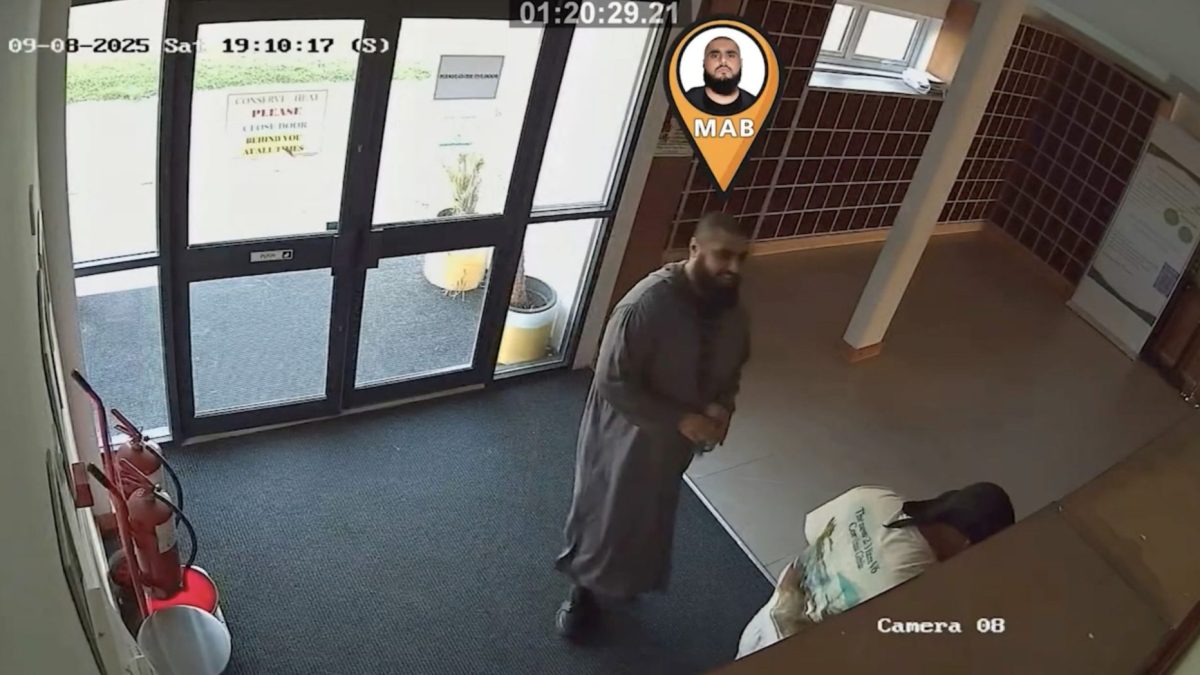 Caption: Handout grab dated 09/08/25 taken from CCTV issued by Greater Manchester Police (GMP) of Mohammad Bashir and Jihad Al-Shamie at the Al Sunnah Mosque in Manchester, where they mistakenly believed they had hidden from the cameras and that their conversations would not be overheard. Mohammad Bashir, 31, who planned a terror attack with his friend – who went on a fatal knife rampage at a Manchester synagogue less than two months later – has been sentenced to life with a minimum term of 17 years at Manchester Crown Court. Issue date: Thursday July 23, 2026. PA Photo. Photo credit should read: GMP/PA Wire
NOTE TO EDITORS: This handout photo may only be used in for editorial reporting purposes for the contemporaneous illustration of events, things or the people in the image or facts mentioned in the caption. Reuse of the picture may require further permission from the copyright holder.
Photographer: GMP
Provider: GMP/PA Wire
Source: PA
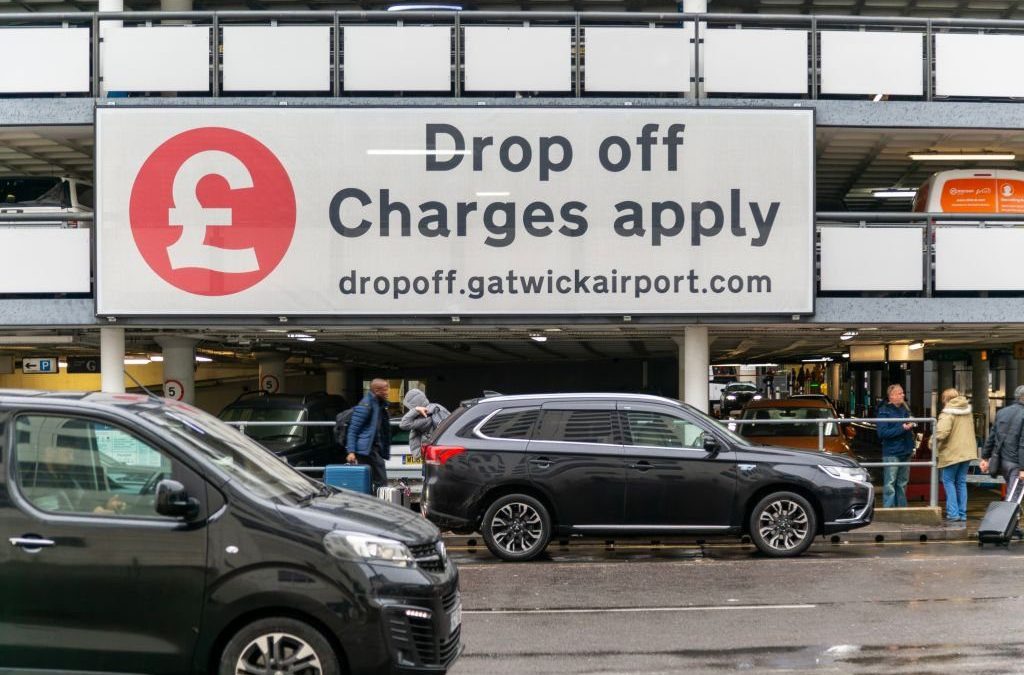 Gatwick is another airport which charges people to be dropped off outside
(Photo: Geography Photos/Universal Images Group via Getty Images)
TRANSPORT
Airport drop-off fees rise by a third
Fees for drop-offs at the UK’s major airports have risen by a third on average since last summer.
Out of the 20 busiest airports, 16 have increased their prices for pulling up to the closest point to terminals, according to the RAC motoring group.
The most and least expensive airports
£10
London City airport, which only started making people pay this year, is the most expensive on a per-minute basis – at £8 for five minutes. But Gatwick and Stansted had the highest minimum fees of £10.
Belfast City has the cheapest minimum at £4, while East Midlands charges the least per hour at 33p with a minimum fee of £5. Birmingham, Luton and Heathrow have minimums of £7.
Edinburgh and Bristol charge minimums of £8.50, while Leeds, Bradford and Bournemouth have £8 fees.
The expert view
The growing number of airports that operate barrierless ‘park now, pay later’ drop-off zones is also something drivers need to be extremely careful of. Those that drop off but miss the signage, or forget to go online or phone the airport to pay soon afterwards, can face a parking charge notice as high as £100.
Rod Dennis, RAC senior policy officer
 Caption: Skavsta Airport, Nykoping, Sweden – September 12, 2019: Father and daughter looking out through the window of the airport concourse at the Ryanair airplane waiting for the boarding
Photographer: Iryna Chubarova
Provider: Getty Images
Source: iStock Editorial
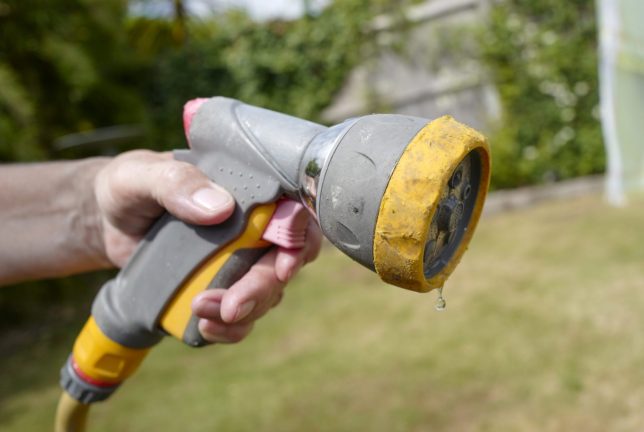 A homeowner in Cornwall switches off their hose pipe as the first hosepipe ban in Cornwall in 26 years (Photo: Hugh R Hastings/Getty)
ENVIRONMENT
Hosepipe ban announced for millions
Thames Water has announced a hosepipe ban affecting 10.1 million customers due to an “exceptionally warm and dry spring”.
From Thursday, hosepipes should not be used for watering gardens or allotments, cleaning cars, filling paddling pools or swimming pools, or cleaning windows.
Where is the ban in force?
The ban applies to all customers that get drinking water from Thames Water.
The company supplies water to customers across parts of Gloucestershire, Wiltshire, Surrey, the Thames Valley, Greater London, and the surrounding areas.

NEWS
3 min read

LIFESTYLE
4 min read
What Thames Water says
We would not be taking this step unless it was necessary to protect water supplies for everyone and the environment.
The water company said its region had seen 40 per cent of average rainfall, and more days at or above 34°C this year than ever previously recorded.
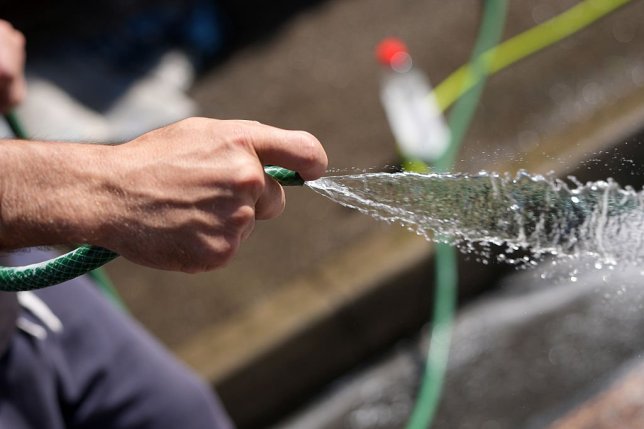 Could a garden hose offer an air conditioning alternative? (Photo: Christopher Furlong/Getty Images)
The other areas under restrictions
Thames Water has become the latest utility company to impose restrictions following the prolonged dry weather.
South East Water announced a ban in Kent which which will be extended to parts of Surrey, Sussex, Hampshire and Berkshire from Saturday.
Cambridge Water, Anglian Water and Affinity Water, which all supply to much of the East of England, have implemented “temporary use bans”.
Southern Water brought in a ban across Hampshire and the Isle of Wight.
A ban affecting 33,000 properties in west Wales was introduced last weekend by Welsh Water.

HEALTH
How 75 people cured themselves of chronic fatigue and long Covid

People with chronic fatigue syndrome (CFS)/ myalgic encephalomyelitis (ME) or long Covid are usually told there is no cure but a new study has suggested there may be mental techniques which reduce or cure the the physical conditions of the illnesses.
What the study found
The analysis of 75 people who recovered from one of the conditions -by Goldsmiths, University of London – found most of who got better did so through “mind-body”.
Nearly 80 per cent of participants had completely recovered, while the rest had significantly improved.
And 95 per cent had followed brain retraining or mind-body approaches, based on seeing the cause of the illness as stress and anxiety.
But as these techniques aren’t recommended, most discovered them online.
The expert view
New mind-body treatments manipulate our symptom experience, especially symptoms that are not caused by tissue damage, so we don’t feel those symptoms anymore.
Dr Maria Pedersen, researcher and senior physician at Oslo University HospitaL
 Tired man just woke up. Concept of low energy and sleeplessness. – stock photo. (Photo: Getty)
The most common symptoms of ME/CFS
Extreme fatigue
Sleep issues including insomnia
Brain fog
Symptoms getting worse after physical or mental activity
LIFESTYLE
5 min read
Symptoms of long Covid
Feeling extremely tired (fatigue)
Shortness of breath
Joint pain and aching muscles
Brain fog
MONEY
3 min read
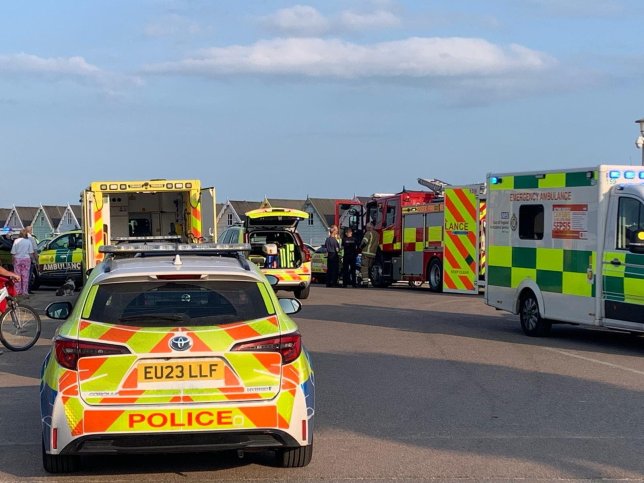 Caption: Emergency services on scene after an incident was declared on Mersea Island seafront. // A teenage girl and a woman in her 40s have died after three people got into difficulty in the sea. Emergency services raced to the scene at West Mersea, Essex, at around 5.35pm on Wednesday (July 22) after the alarm was raised by the ambulance service. Despite the efforts by rescuers, the teenage girl and the woman died at the scene. A third person remains in hospital in a serious condition.
Photo released 23/07/2026
Photographer: / SWNS
Provider: Daniel Rees / Newsquest / SWNS
Source: Daniel Rees / Newsquest / SWNS
uk news
Woman and girl died after ‘tide came in while group was on sandbank’
An eyewitness said a teenage girl and a woman died after the tide came in while a group of people were on a sandbank near a holiday park.
Essex Police said officers were called by the ambulance service at 5.35pm on Wednesday after reports that several people had got into difficulty in the water near Seaview Avenue, West Mersea, Essex.
A closer look at what we know
The force confirmed on Thursday morning that a teenage girl and a woman in her 40s had died. A third person remains in hospital in a serious condition and two other people are in hospital with non-life-threatening injuries, police said. The force said they believe those involved in the incident knew each other.
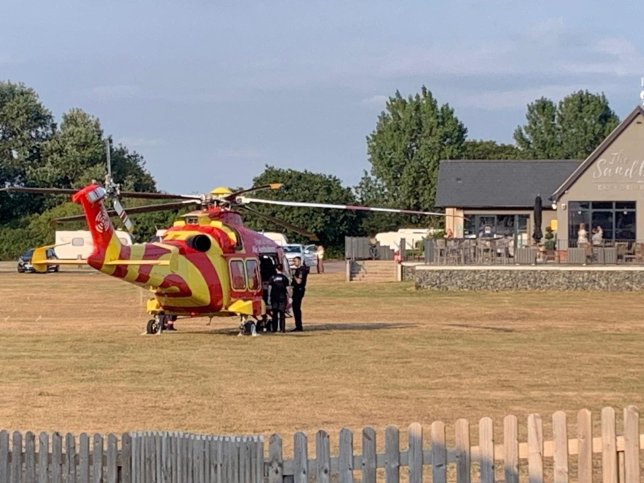 Caption: Emergency services on scene after an incident was declared on Mersea Island seafront. // A teenage girl and a woman in her 40s have died after three people got into difficulty in the sea. Emergency services raced to the scene at West Mersea, Essex, at around 5.35pm on Wednesday (July 22) after the alarm was raised by the ambulance service. Despite the efforts by rescuers, the teenage girl and the woman died at the scene. A third person remains in hospital in a serious condition.
Photo released 23/07/2026
Photographer: / SWNS
Provider: Daniel Rees / Newsquest / SWNS
Source: Daniel Rees / Newsquest / SWNS
NEWS
2 min read
What did the police say?
While we remain on scene, we would ask the public to avoid the Seaview Avenue and beach area. We appreciate that this will cause some local issues, but would ask for your patience and understanding as we may be there for some time yet.
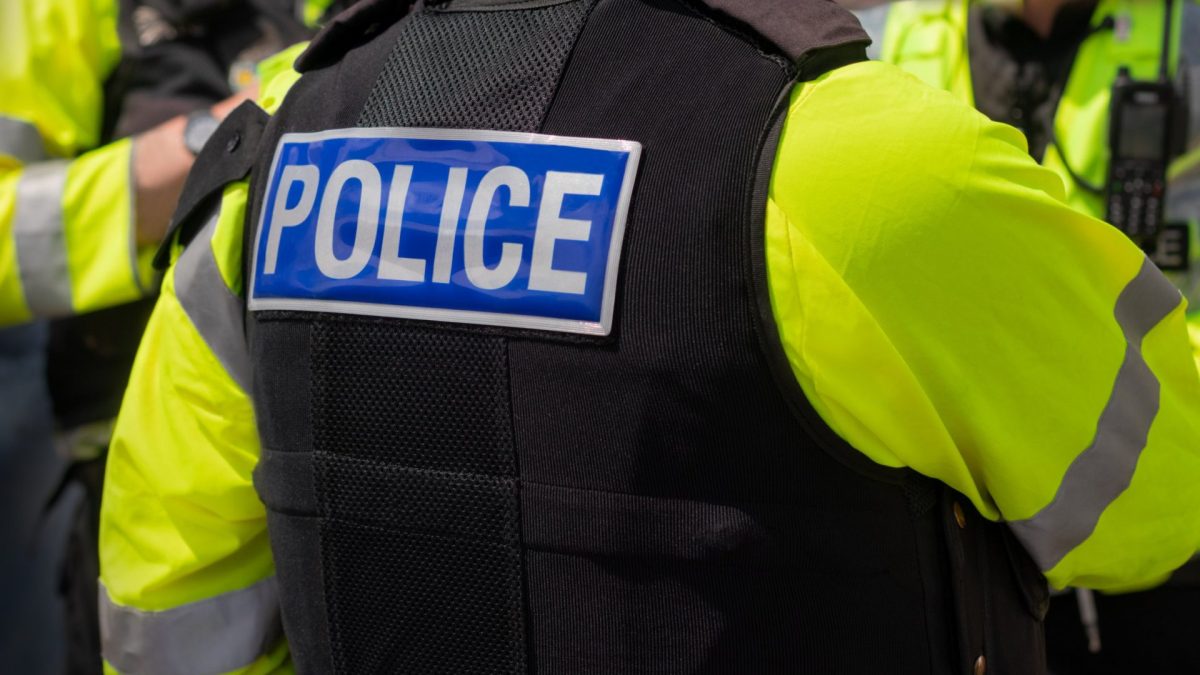 Five police officers have been suspended after a member of public found the bag of guns (Photo: Lawrey Anstis/Getty Images/iStock Editorial)
Tax thresholds have been frozen since 2021, meaning millions of people pay more tax as wages rise, a process known as “fiscal drag“.
The new Prime Minister has committed to the Labour manifesto, which says the triple lock will not be altered this Parliament. While he has criticised the freezing of tax thresholds, he walked back from a suggestion he would unfreeze them this week, saying any decisions on tax would be made at the Budget.
Chancellor will stick to predecessor’s commitment
Even though only a relatively small amount of tax is likely to be due, Burnham will be keenly aware of the damage the scrapping of the winter fuel payment caused for his predecessor. He has also made easing the cost of living a key plank of his premiership.
Experts have previously estimated that around 820,000 retirees will owe income tax on their state pension alone in 2027-28.
Burnham had allowed speculation to run in recent weeks that he would raise the personal allowance – which would cost around £9bn – but he tried to dampen it down on Wednesday, saying there was “no commitment” and that “we’ll have to look at it at the Budget”.
However, the Treasury has told The i Paper that Healey will stick to a commitment made by his predecessor Rachel Reeves that income tax will not be levied on people whose only income is their state pension.
In last November’s Budget, Reeves pledged that “people only in receipt of the basic or new state pension do not have to pay small amounts of tax through Simple Assessment from April 2027”.
Under the Simple Assessment process, HM Revenue and Customs collects small tax sums by carrying out the calculations itself and sending someone a tax demand at the end of the year.
The Treasury told The i Paper it remained committed to the previous government’s stance.
A spokesperson said: “Anyone whose only income is the full new or basic state pension without any increments will not pay income tax and we are committed to that over this Parliament.
“By keeping the triple lock, 12 million pensioners will see their income rise by up to £470 this year, and they continue to benefit from the highest personal allowance in the G7.”
While income tax in Scotland and Wales is partially devolved, the personal allowance remains the same and is set by the UK government. The state pension is the same in all the home nations and is not devolved.
Exempting state pensioners ‘unfair’
The Treasury said that work is already under way on how to exclude those solely dependent on the state pension from Simple Assessment, with details to be outlined in “due course”. Last November’s Budget documents promised to set this out in 2026.
It is not yet clear what the mechanism will be and pension experts told The i Paper that it would probably add complexity to the system and raise concerns about fairness.
Adam Cole, retirement specialist at Quilter, said: “The prospect of more state pensioners paying income tax is largely a consequence of the frozen personal allowance colliding with a rising state pension due to the triple lock.
“While exempting state pension income from tax might sound straightforward, in practice it could add significant complexity to the system and create different tax treatments for people with similar overall incomes.”
Charlene Young, senior pensions and savings expert at AJ Bell, said: “Many pensioners have small amounts of additional income from savings or private pensions, which could leave people in very similar circumstances facing very different tax outcomes.”
She pointed out that those on the “old” state pension, who reached state pension age before 6 April, 2016, receive significantly less than newer pensioners. They would not pay tax on their pension anyway therefore, so would not qualify for a tax exemption. But many of those would have private pots, bringing their total income inline with newer pensioners on just the state pension, leaving them paying tax unfairly.
“There is also no indication of how much the exemption would cost,” she add. “The Conservative Party’s 2024 manifesto promised a ‘triple lock plus’ guarantee, which would have increased all pensioners’ personal allowances in line with state pension rises. That policy was estimated to cost £2.4bn a year.
“While Rachel Reeves’s proposal would have come with a lower price tag, it’s unclear whether it would be sustainable for the public finances over the long term. Combined with the additional complexity it would create and the fact that it would exclude large groups of pensioners, it’s difficult to see how the policy passes the fairness or simplicity test.”