
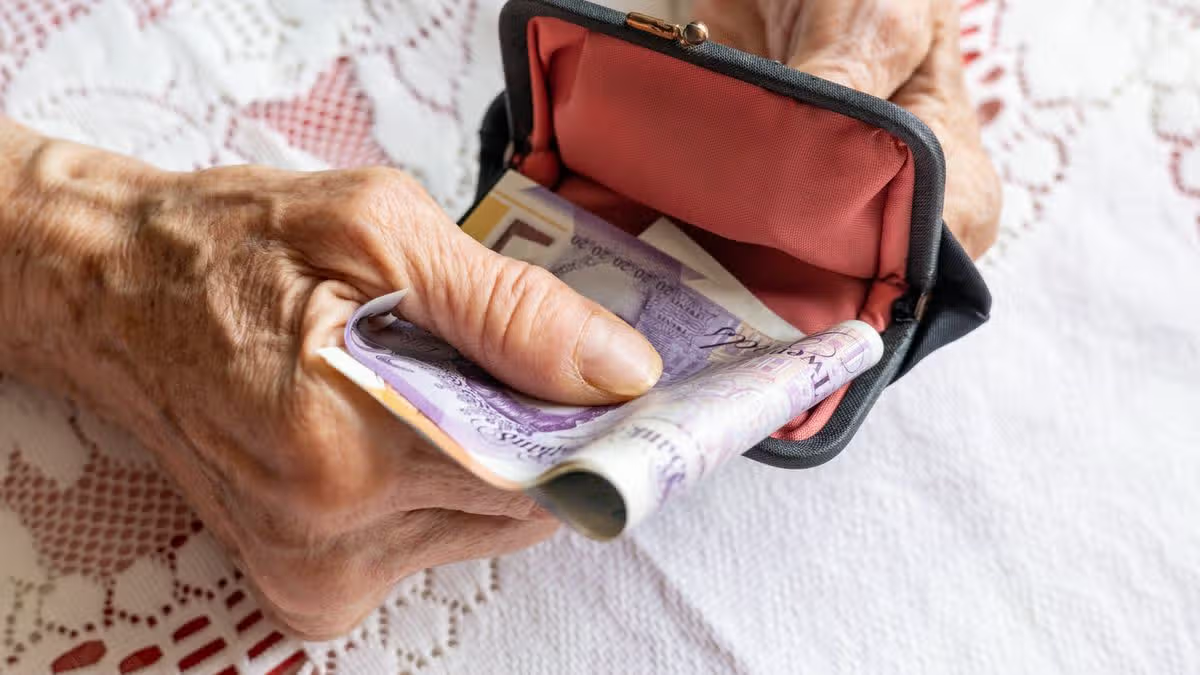
The DWP has confirmed the full list of qualifying skin conditions for Personal Independence Payment (PIP)
The Department for Work and Pensions has confirmed the 25 skin conditions that could make someone eligible for PIP(Image: inyourArea)
The Department for Work and Pensions (DWP) has confirmed the full list of 25 skin conditions that qualify claimants for £114 weekly payments of Personal Independence Payment (PIP).
There are a total of 27,391 PIP claims for the various skin conditions, according to the latest DWP data. In total, more than four million people were claiming PIP as of April 2026, according to the government figures.
The disability benefit, paid out by the DWP, helps with some of the extra costs caused by long-term disability, ill-health or when people are approaching the end of their life due to a progressive disease.
Click here to get the biggest stories straight to your inbox in our Daily Newsletter
According to the Government’s recent data, there is a total of 25 skin conditions that could make you eligible for a regular support payment given to people who need extra help with daily living tasks.
PIP supports those who need help with daily living tasks, particularly people of State Pension age who want to maintain their independence at home.
The disability benefit is not a single flat rate but is instead divided into two parts based on how a claimant’s condition affects their independence.
The DWP has confirmed the 25 skin conditions that could qualify for PIP(Image: In Pictures via Getty Images)
The daily living component covers the extra costs of managing everyday tasks. The standard rate is set at £76.55 per week, while the enhanced rate provides £114.80.
The mobility component addresses the challenges of getting around. The base rate for this component is £30.20, with an increased level of £80.10.
By qualifying for the enhanced daily living rate and a portion of the mobility support, eligible claimants can see their weekly total reach the £187 mark – totalling £748 per month.
Eligibility for PIP is not determined by National Insurance contributions and it’s not means-tested – meaning that even if you’re employed, have savings, or are receiving other benefits, you can still qualify for the payments to help you with daily living tasks.
PIP is not automatic, and the DWP will assess how difficult claimants with the condition find daily living and mobility tasks. According to the DWP, to get PIP you must experience difficulty with tasks most of the time. This means that you expect to have difficulty more than half of the days over a 12-month period.
Below is the full list of qualifying skin conditions and the number of associated claims as of April 2026, according to the DWP.
Cellulitis: 913Impetigo: NoneInfections – Other / type not known: 332Acne vulgaris: 21Eczema – varicose: 171Eczema (dermatitis): 1,519Papulosquamous and inflammatory rashes – Other / type not known: 956Psoriasis: 2,295Rosacea: 23Urticaria: 267Bullous disease – Other / type not known: 143Dermatitis herpetiformis: 51Epidemolysis bullosa: 324Pemphigoid: 32Pemphigus vulgaris: 34Blood vessels/lymphatics – Other diseases of / type not known: 1,193Leg ulcers (arterial): 642Leg ulcers (venous): 1,122Lymphoedema: 6,447Pressure sores: 18Venous insufficiency – chronic: 159Collagen and elastic tissue – Other diseases of / type not known: 158Ehlers Danlos syndrome: 7,386Burns: 767Skin disease – Other / type not known: 2,399
Total: 27,391