
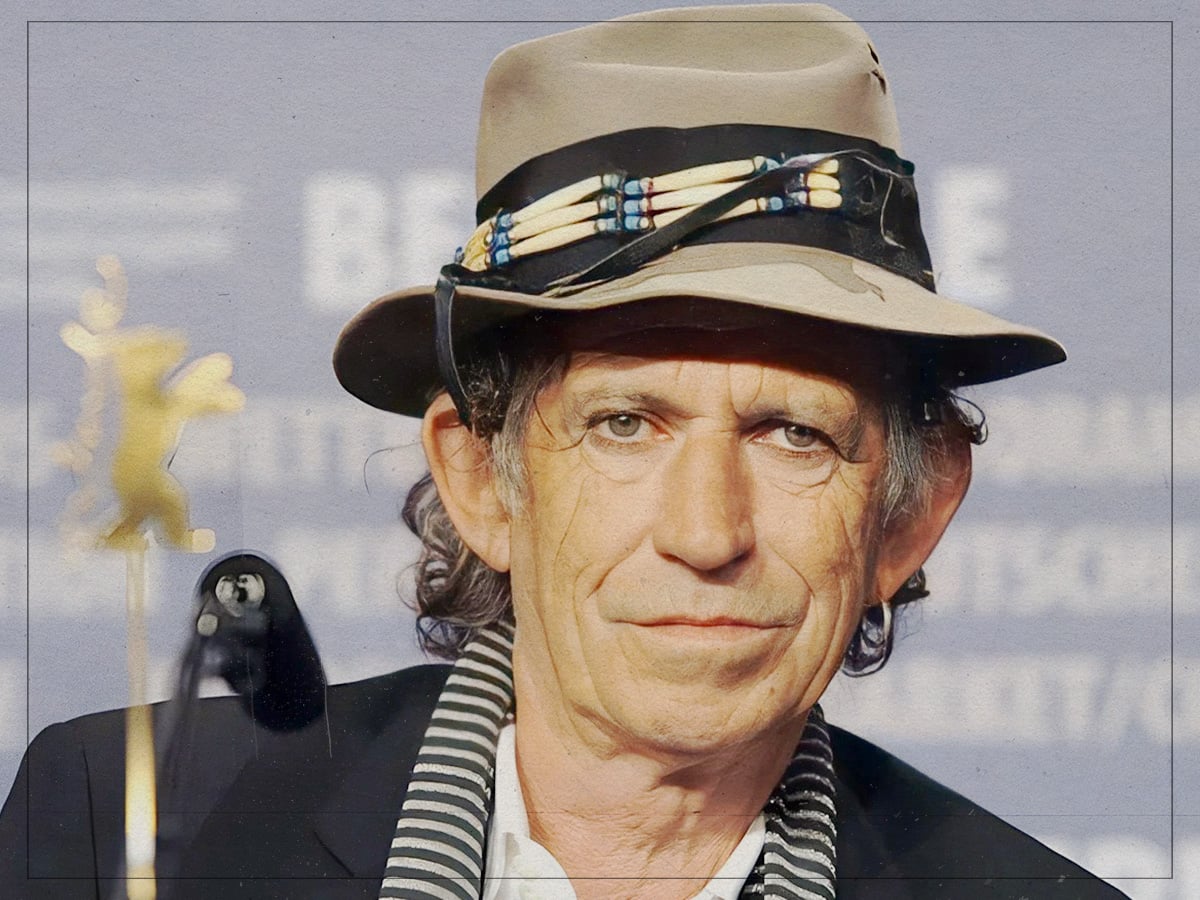
Credit: Far Out / Alamy
Fri 31 July 2026 13:00, UK
Being able to perform with a musician like Keith Richards was about more than having a bunch of flash.
A lot of what Richards was looking for in a musical partner usually came down to whether there was a certain mojo to the way that they played, and you can hear a lot of that mojo in almost everything that The Rolling Stones ever did. But even though Richards considered the band to be his musical brothers in a sense, he knew that some people understood what he was going for a lot more than he did half the time.
Then again, Richards didn’t claim to be the most complicated musician to figure out or anything. He had his favourites from the rock and roll world, but even if he stretched out into other genres like blues half the time, he was never going to be the kind of person who would break out the massive orchestra whenever he was working on one of his tunes or anything. He was still about the basic rock and roll band whenever he made a record, but there was definitely room for him to grow, too.
For one thing, the open G tuning completely changed his perspective on what he was supposed to do as a rhythm guitarist. The open tunings gave him a lot more freedom to play around with different chords and tones that wouldn’t have been possible in standard tuning, and a lot of those roads pointed him towards loving country music when he first discovered some of the bigger names in country rock.
Country music has never been that far away from rock and roll, all the way from the days of rockabilly, but Richards wasn’t looking to sing the traditional hillbilly tunes just for a gag. He knew that some of the biggest names in that genre had a lot more to say, and while he did love the stylings of everyone from Roy Rogers to George Jones whenever he had some downtime, Gram Parsons was practically his guide to dig a little bit deeper into the music that he loved.
Parsons was already a power player in the LA scene after working with The Byrds, but his true calling was to bring country music to the masses in lots of ways. He was known for jamming with Richards through half of the sessions for Exile On Main Street, and even years after he passed away, Richards considered him to be one of those musical brothers that he never got to appreciate that much.
The Stones have definitely had their moments of trying to play country songs, but even with Mick Jagger by his side, Richards felt that no one else made him feel the same way that Parsons did whenever they jammed, saying, “I used to spend days at the piano with Gram, you know, just singing. I did more singing with Gram than I’ve done with The Stones. He taught me all the Everly Brothers stuff and the cross harmonies and shit like that. We lived together when we cut Exile On Main Street. He was living with us then for two or three months. He wrote SONGS, man!”
Further reading: From The Vault
But those songs weren’t meant to be played forever, either, Parsons’s tragic passing after an overdose is still one of the great tragedies in rock and roll, and while Richards was still willing to do what he could working with The Stones, you could definitely feel the country twang that he put into a lot of his songs as a tribute to the one that opened his eyes to the genre back in the day.
Because for that brief moment in time, Richards and Parsons seemed like brothers who were willing to get into any kind of trouble that they wanted to as long as they could sing together. Life wasn’t always perfect during that time, either, but sometimes you can’t truly appreciate the kind of magic that you’re working with until it suddenly disappears.
