
Credit: Alamy
Sat 1 August 2026 12:30, UK
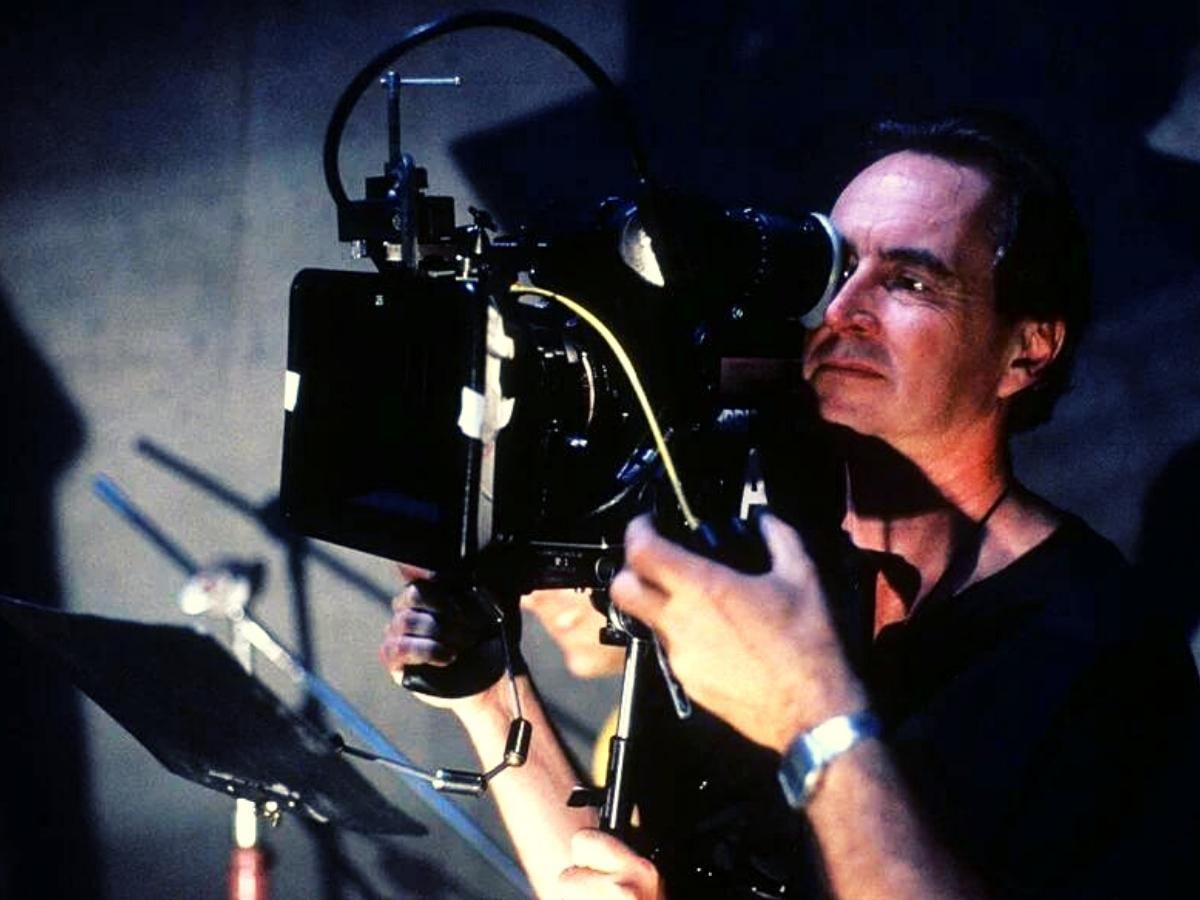
Wes Craven is among the top tier of directors who truly changed the horror genre through inventive filmmaking techniques, but he also made one of his most iconic films and his most forgettable fare in the same year.
While any director interested in the horror genre would be lucky to be involved in just one famous franchise, Craven created three with The Hills Have Eyes, A Nightmare on Elm Street, and Scream.
The original The Hills Have Eyes was released in 1977 and considered to be a true work of nasty exploitation, meaning that it didn’t quite get the same respect as some of Craven’s later works, but it nonetheless proved that he was a competent director who could incite fear in the audience with shocking, disturbing content, thereby earning greater freedom to pursue more radical ideas in the next decade of his career.
Craven made his masterpiece in 1984 with A Nightmare on Elm Street, which tapped into the psychological mindset behind nightmares and unleashed the ultimate cinematic boogeyman in the form of Freddy Krueger, played by Robert Englund in an iconic performance. Although the film’s sequels would turn Krueger into a more comic, ridiculous character known for one-liners and goofy transformations, he’s nothing but pure terror in the original, which is still among the scariest horror classics of its era.
Although A Nightmare on Elm Street proved to be a breakout hit in 1984, Craven was already in the middle of the production on The Hills Have Eyes Part II, which he admitted he was much less enthusiastic about.
“I did The Hills Have Eyes Part II mainly for the money,” he stated blankly, “I wasn’t very proud of the film, because I didn’t feel I had any control over it. It was basically a job for hire, and I didn’t put my heart into it.”
Craven’s relationship with sequels is among the most fascinating aspects of his directorial style, as he showed an intense scepticism about franchises, especially within the horror genre. After his negative experience making The Hills Have Eyes Part II, where he was flummoxed to find that he had less creative say than he had with the original, Craven chose not to direct A Nightmare on Elm Street 2: Freddy’s Revenge.
Further reading: Cutting Room Floor
Although he did return to co-write the screenplay for A Nightmare on Elm Street 3: Dream Warriors, which was directed by the late great Chuck Russell, he wasn’t involved in the subsequent sequels, which corrupted his original idea and made Krueger into a parody of himself.
Craven was so frustrated with the way that the Elm Street franchise was going that he stepped in to direct the seventh instalment, Wes Craven’s New Nightmare, which took a meta approach by releasing Krueger into the real world and making him ‘scary’ once again. While the film was a commercial flop, it was a critical darling and showed that Craven was interested in making fun of what he considered a regression of the slasher genre.
Scream worked because he was able to air out his frustrations with horror clichés, and he was able to make the first three sequels in the franchise equally successful because they shared the same satirical edge and made fun of how inherently derivative franchises can be. The only tragedy is that the Scream films that followed Craven’s death didn’t share his sense of arch comedy.
