
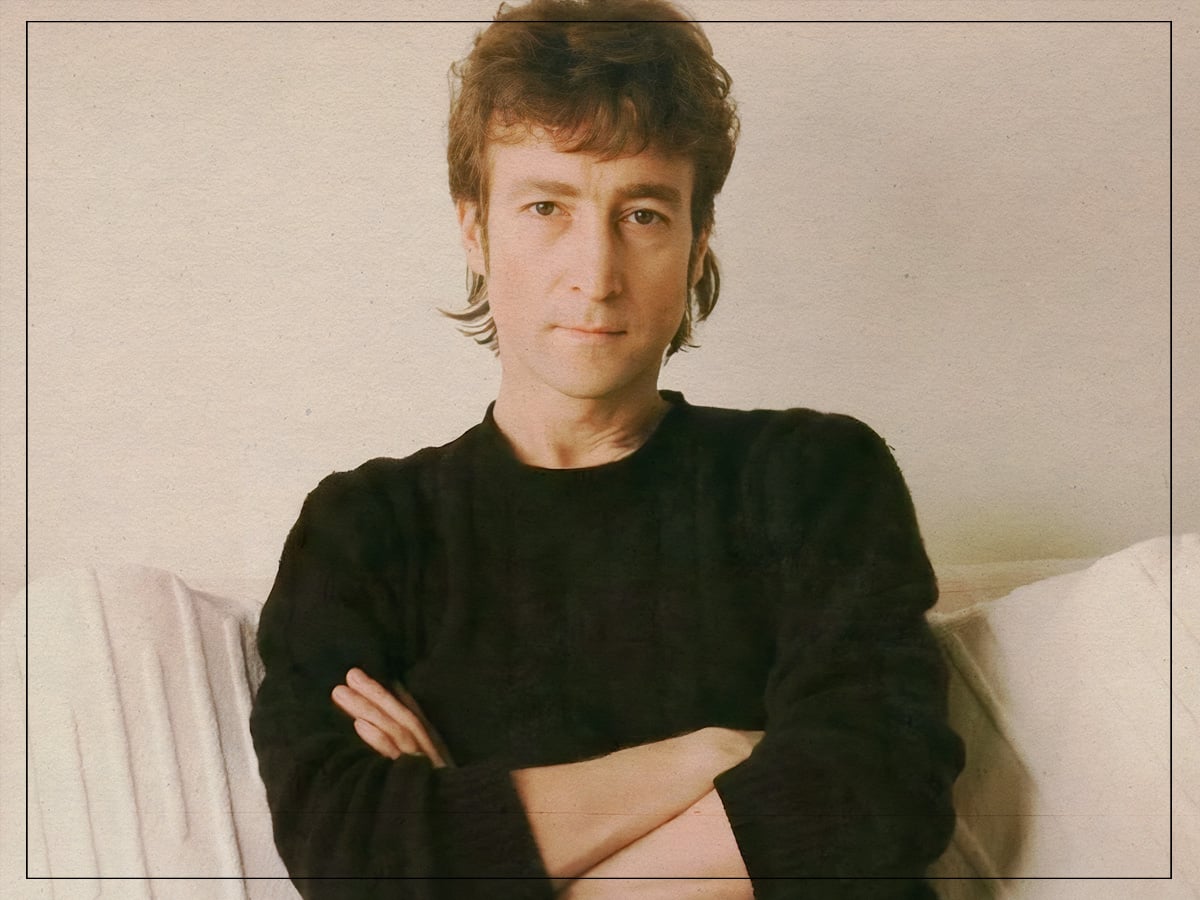
Credit: John Lennon
Sat 1 August 2026 18:00, UK
John Lennon really did think he was setting out to save the world, didn’t he?
It was a gargantuan and godly assumption of status for a humble rock star, a lad who, not so long ago, was just from Liverpool, suddenly positioning himself at the centre of world peace efforts. To say no one quite knew how he got there would be inaccurate, but it was certainly clear at the same time that Lennon piled a lot of prestige on himself.
In this sense, all roads lead to ‘Imagine’ as the pinnacle of his vision of peace. But even though the song won the hearts and minds of a large section of the masses, let’s also not beat about the bush here: it’s a problematic track in its own right, essentially asking the world to blend into one anonymous society and pretending like that would fix all our problems.
Lennon, perhaps unsurprisingly, wasn’t particularly in the mood to hear these criticisms, though. Instead, he deflected by focusing on his woes of not crediting Yoko Ono on the original version of ‘Imagine’, given that the lyric had been inspired by her poem ‘Cloud Piece’, which included the line, “Imagine the clouds dripping, dig a hole in your garden to put them in”.
That ended up being about as much self-awareness as you were going to get from him in that regard, blindly ignoring the fact that the song in question was far too utopian and, frankly, too good to be true. Lennon was not short of superlatives for amping himself up, though.
“‘Imagine’ is the best song I’ve ever written,” he boasted in 1980, “It’s almost like a prayer”.
The thing is, I don’t think anyone would suggest that the former Beatle had wayward or misguided intentions when it came to his advocacy for peace, but the issue is twofold: to an extent, he was inserting himself into an arena that wasn’t particularly his to perform in, and while he was there, he only delivered a message in its most basic form.
Further reading: From The Vault
There is, of course, a lot to be said about the simplicity of ‘Imagine’ and the notion of universality it conveyed. Yet for every critic who dared to raise their head above the parapet and question Lennon on whether he was really hitting the mark, they were ironically, violently shot down in flames for somehow furthering the notion of upheaval.
No one can deny the lifeblood that ‘Imagine’ took on, and continues to keep pumping, now 55 years after it was first released. However, beyond its initial impact, the song does often fall flat once you’ve heard it hundreds of times; the idea of no countries, no religion, and a brotherhood of man runs extremely thin after it’s run its course.
Lennon could set out his stall all he liked about how the song bore one global message, and how anyone who overcomplicated it was simply misunderstanding it, but no one lived in a utopia of richness and indulgence except him. His peaceful vision for life was just not one that reflected the real world at all.
ADD AS A PREFERRED SOURCE ON GOOGLE  The Far Out Beatles Newsletter
All the latest stories about The Beatles from the independent voice of culture.
Straight to your inbox.