
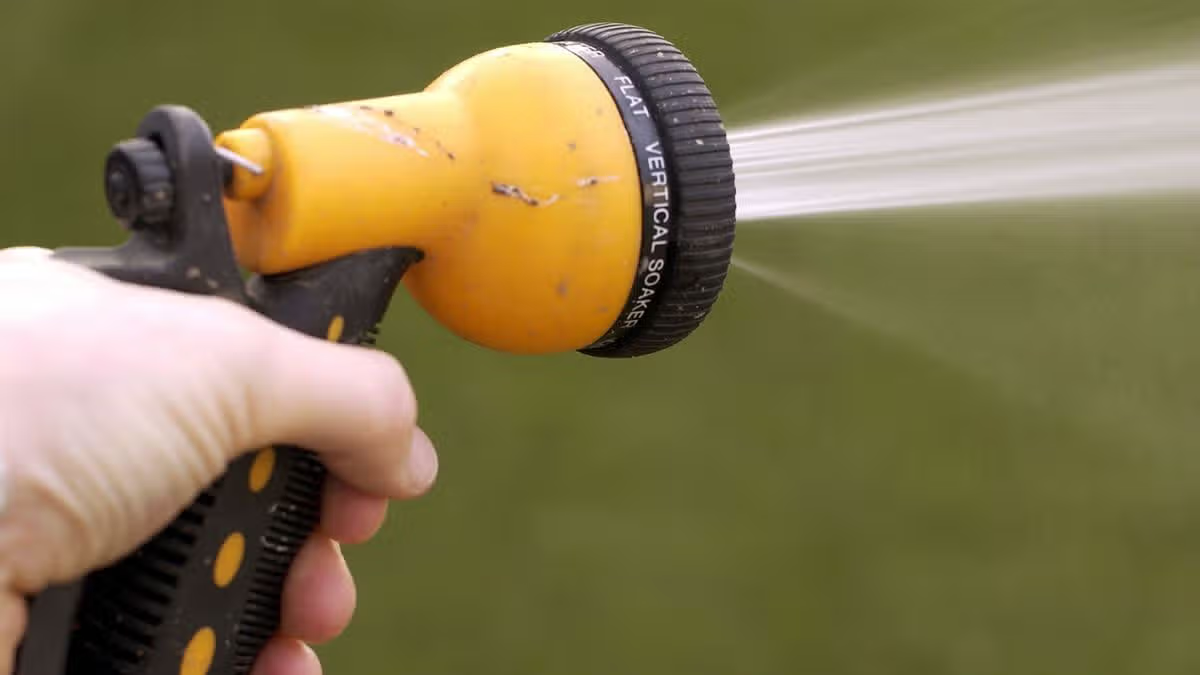
Hosepipe bans are already in force across large parts of the UK, and people in the Midlands have been warned to use water ‘mindfully’
18:49, 31 Jul 2026Updated 18:52, 31 Jul 2026
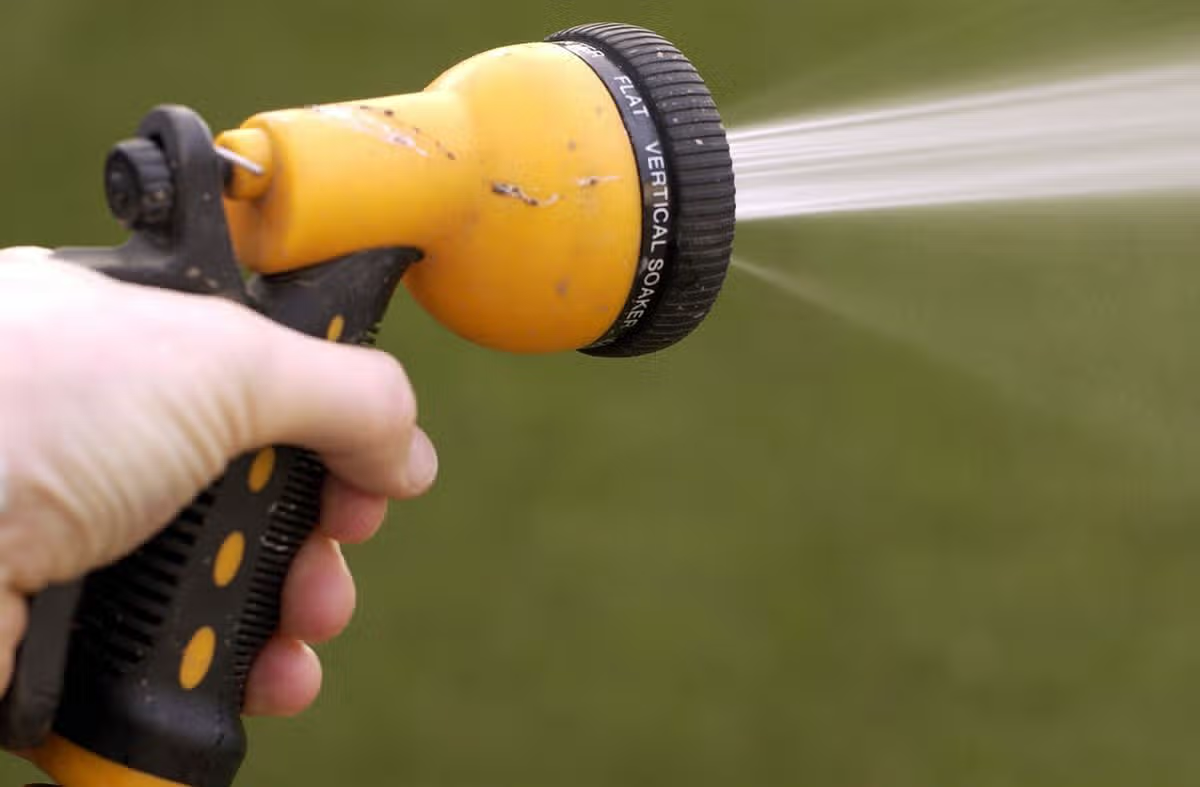
Severn Trent wants people to be ‘mindful’ of their water usage
Hosepipe bans are already in force across large parts of central, southern, and eastern England as well as parts of Wales.
Here in Birmingham and the West Midlands, we’ve so far managed to avoid a ban, but Severn Trent Water has called on customers to be ‘mindful’ of their water use and switch to using watering cans where possible.
A hosepipe ban (officially called a Temporary Use Ban or TUB) is when a water company temporarily restricts how customers can use water.
Read more Simple way to tell which garden fence is yours
It is designed to protect drinking water supplies during very dry weather.
While Severn Trent haven’t implented a hospipe ban in the area since 1995, unprecedented high temperatures and dry weather has seen the network under pressure and the region placed in drought.
Severn Trent Network Operations Lead Howard Perry previously said: “It’s the third heatwave of the summer with no rain expected and we’re seeing people use much more water for longer periods than usual.
“And whilst we don’t have any restrictions in place, we’d really welcome everyone’s support to be mindful of water use.”
People risk a fine from the courts of up to £1,000 if they ignore a ban.
So what happens if the Midlands is placed under a hosepipe ban? Below we look at the rules householders will need to follow – and when there are exceptions.
Hosepipe ban rules – and exceptions
South West Water explains that a hosepipe ban applies to anything that connects to the mains supply, not just a hosepipe.
So that means you can’t use your sprinklers, irrigations systems or pressure washers during a hosepipe ban either.
Who a hosepipe ban doesn’t apply to
The hosepipe ban does not apply if:
You are on your water company’s Priority Services Register and are unable to make reasonable adjustments due to a health condition or disabilityYou are a Blue Badge holderYou need to protect human health and safetyYou need the water for animal welfare, including pets, livestock and fishThe water you’re using is not from the mains supply (it’s taken from a water butt or other recycled water storage system).
Garden rules
Do not use a hosepipe to water your garden, including lawns, grass verges, allotments and other green spaces.
You can water:
Trees, hedges and saplings planted within the last planting season, where watering with a watering can is not feasibleTurf that has been laid within the last 28 daysNewly-bought plants for the first 14 days after purchaseFood crops grown at home or at a private allotment, where using a watering can is not feasibleSports pitches and surfaces where watering is necessary, so long as watering takes place outside of the peak hours of 8-10am and 5-9pmUsing an irrigation system that drips or trickles, with a time and pressure-reducing valve and that deliver water directly to soilThere is no restriction on using a watering can in your garden.
Ponds and water features
Do not use a hosepipe to fill or top up a garden pond, water feature or fountain.
You can use a hosepipe if:
You need to fill a pond to keep fish or other aquatic animals healthyWhere a pond or pool is used as part of a recognised religious practiceYou need to fill an ornamental fountain if it is needed to supply oxygen to fish
Paddling pools
While Severn Trent has recent;y advised households in the Midlands to cover their paddling pools so they don’t need to refill the next day, if a hosepipe ban is implement you are not allowd to fill a paddling pool UNLESS:
It is needed for medical or veterinary treatment or animal welfareThe pool is designed for medical or therapeutic useA pool is under construction and needs to be filled as part of its constructionA pool is used as part of a religious ceremony in a place of worship or community settingYou use a bucket or other container to fill the pool, or it is filled using a water recycling system that does not use mains water.
Washing vehicles
Don’t use a hosepipe to wash a private car, van, caravan, trailer, motorcycle or other vehicle.
You can use a hosepipe if you are:
Cleaning a vehicle as part of a private business, for example a car washThe vehicle is used for public services, business purposes or transporting goodsThe vehicle is a taxi, commercial vehicle or goods vehicle.Filling a water tank in a caravan or motorhome where it’s needed for essential washing, cooking and sanitation.
Cleaning your house
You must not use a hosepipe to clean your home’s exterior, including windows, walls, paths, patios, driveways, astroturf and other surfaces.
You can use a hosepipe if you are cleaning:
As part of a professional service or business.
Cleaning a boat
You must not use a hosepipe to clean a private leisure boat.
You can use a hosepipe if you:
Are cleaning it as part of a business or professional serviceAre cleaning it to prevent the spread of non-native/invasive speciesAre removing graffitiThe boat is used for commercial activity or public servicesYou are cleaning the inside of the boat
Commerical plants
You must not use a hose to water plants at home or at non-commercial properties.
You can use a hosepipe for:
Commercial growing of crops, fruit, vegetables and plants that are grown for saleNational Plant CollectionsTemporary flower or garden displays that are publicAn irrigation system that drips or trickles, with a time and pressure-reducing valve and that delivers water directly to soil.You can still use watering cans and fixed watering systems that do not use a hosepipe.