
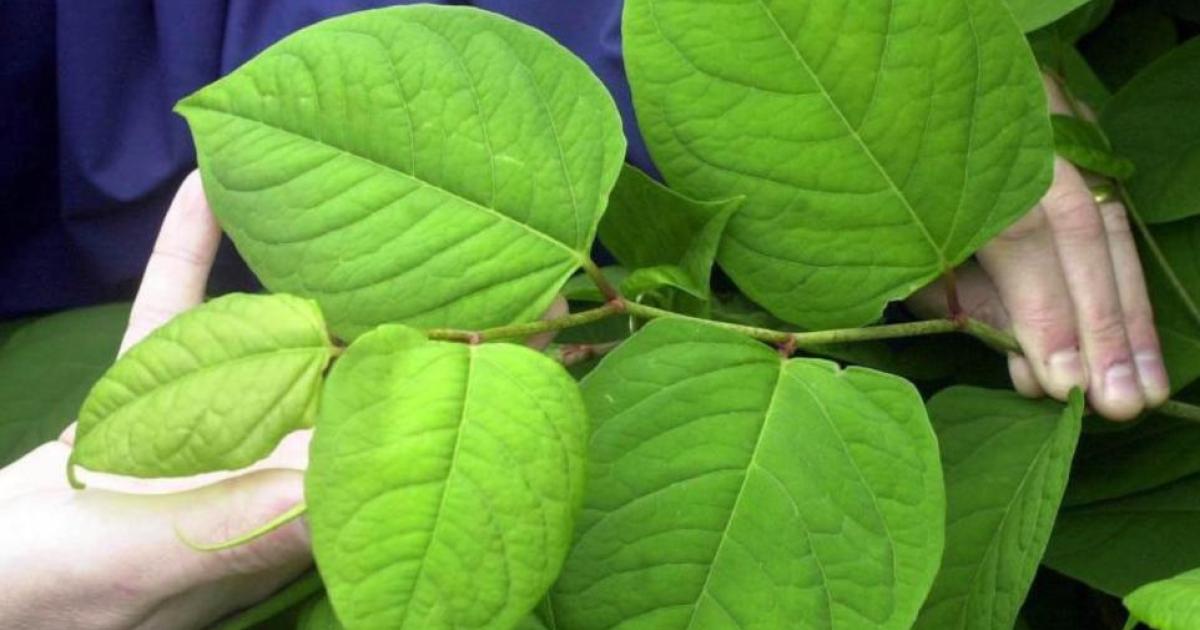
The invasive plant has been recorded at more than 1,200 sites across Norfolk, and experts warn that extreme weather may be altering its behaviour.
While exposed areas and cliff edges show signs of stress – such as wilting and browning – the weed’s deep rhizome system allows it to endure dry spells and potentially resurge even more aggressively afterwards.
Environet has revealed the Japanese knotweed hotspots in Norfolk.
Latest data shows there are currently 1,272 verified sightings across the county, with Norwich topping the list at 302 sightings.
King’s Lynn follows with 71, while Fakenham recorded 33.
If left unmanaged, knotweed can cause damage to buildings, hinder property sales and lead to legal disputes if it spreads across property boundaries.
Emily Grant, director at Environet UK, said: “Japanese knotweed is now firmly established right across the country, which means homeowners everywhere should know what to look for.
“The earlier it’s spotted, the easier and cheaper it is to deal with.
“Acting quickly with professional advice will prevent it spreading further and help protect both your property and its value.”
A mature Japanese knotweed plant can be identified by its tall, bamboo-like canes and large, bright green, shield-shaped leaves arranged in a zigzag pattern along the stem.
Native to East Asia, it was introduced to the UK in the 1800s where it has since spread.
It can grow up to four inches a day and forms dense thickets which can kill native plant species, making it particularly harmful to the flora