
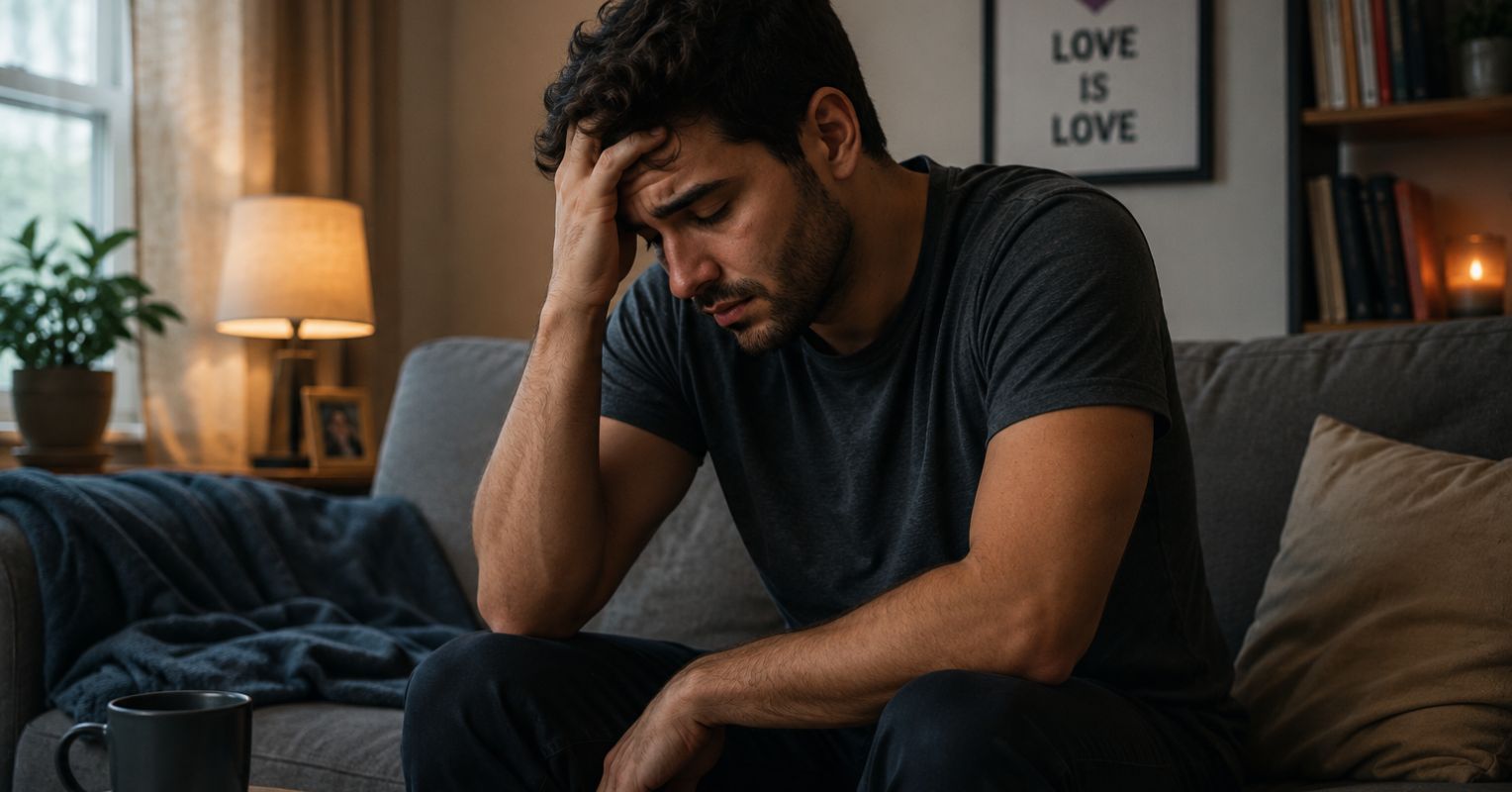
Eric sat quietly for a moment before speaking. “I know everyone thinks the answer is simple,” he said. “Just leave. But they don’t see what happens after that. They don’t see how hard it is to try.”
He described how his partner had repeatedly threatened to out both him and their relationship—something Eric feared could cost him his job or even jeopardize the partial custody he shared with his ex-girlfriend over their daughter. Whenever Eric talked about ending the relationship, his partner reminded him of the discrimination they had already faced as a couple: “Who do you think is going to believe a gay man when he says he’s being abused?” Other times, he warned Eric that leaving would only reinforce the stereotypes people already held about same-sex relationships.
“I don’t even know what’s real anymore,” Eric told me. “Part of me knows this isn’t healthy. The other part wonders if leaving is even possible.”
Like many survivors, Eric wasn’t staying because he failed to recognize the harm. He was staying because years of coercion, realistic fears about the consequences of leaving, and the limited support available to many LGBTQ survivors had made his escape feel far more dangerous. The isolation and the very real fear of losing his livelihood, his family, and his support system made leaving feel far more dangerous than anyone on the outside could see.
LGBTQ Survivors of Abuse Face Additional Barriers to Leaving
Leaving a harmful or abusive relationship is frightening enough to push anyone into a state of worry. But Eric’s reality, like that of many LGBTQ survivors, is different simply because of who they are. My practice specializes in working with LGBTQ individuals and treating abuse and trauma survivors. I often witness the twofold suffering they experience as members of a marginalized community: first the trauma and then the stigma. The self-doubt that abusers instill, compounded with minority stressors, makes it even less likely that LGBTQ victims will come forward about their abuse.
Perpetrators use this stigma and general ignorance about these relationship dynamics against LGBTQ partners. They might tell them that no one will take their claim seriously or threaten to “out” them if they try, as in Eric’s case. Some victims may even stay quiet out of fear of tarnishing the reputation of others within the community with anything that would further marginalize them from society.
Abuse in LGBTQ Relationships Is Less Recognized
Many victims are unaware that abuse can even exist within these relationships. Research of non-heterosexual partner dynamics has only recently become a topic of conversation. It wasn’t until the CDC’s 2010–2012 National Intimate Partner and Sexual Violence Survey that the federal government published comprehensive national estimates of intimate partner violence among lesbian, gay, and bisexual adults. The results highlighted rates of abuse that demanded greater attention and more inclusive support services. According to their analysis, lesbians and bisexual men are more likely to encounter violent physical abuse than their heterosexual counterparts.
Yet, despite the greater risk, many domestic violence support networks still have yet to accommodate their resources to LGBTQ victims.