
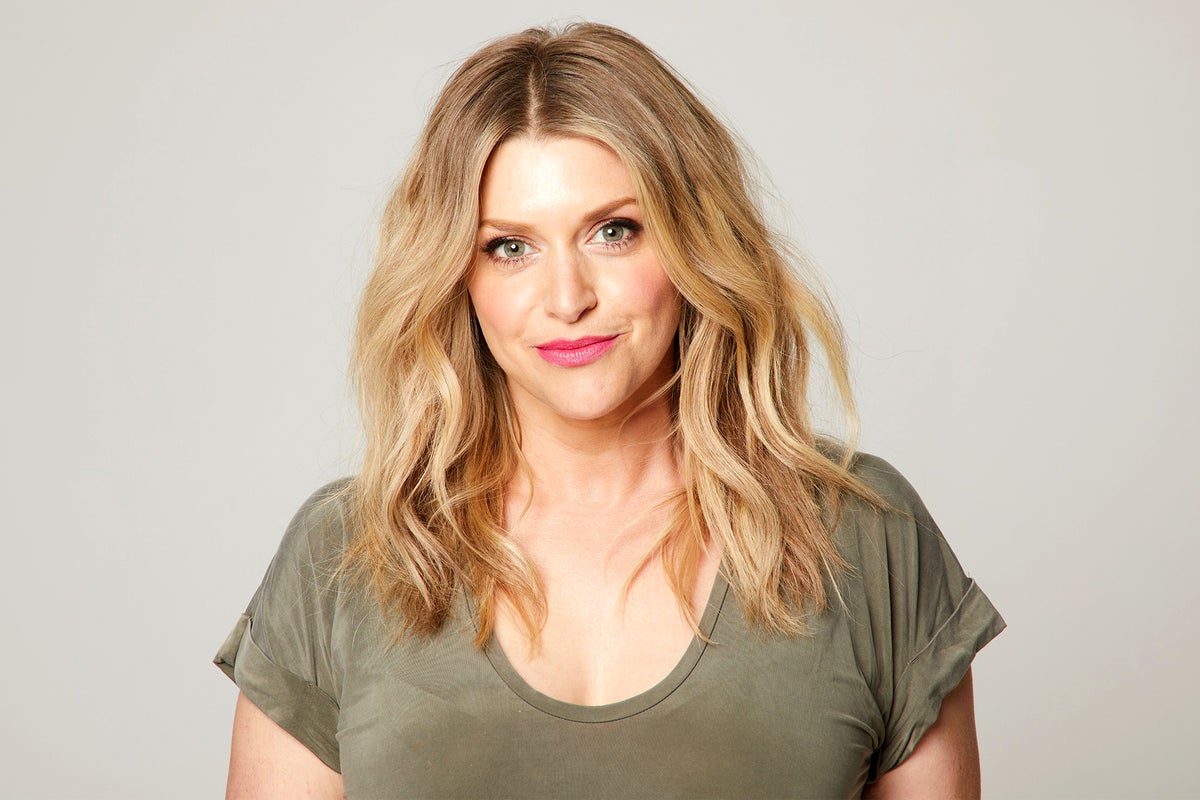
When Anna Williamson became pregnant at the age of 35, she was thrilled. The TV presenter and her husband Alex Di Pasquale had been trying to have a child, and her pregnancy was very welcome news.
The problem was that Williamson’s excitement was quickly overshadowed by high levels of anxiety. “I had excessive and consistent worry and panic attacks during my pregnancy,” she says. “I remember feeling this overwhelming pressure not to screw up bringing my baby into this world.
“I had anxiety around the baby not being poisoned by any medication I was on when he was conceived, as well as what I put in my body, or how my emotional stress was affecting him. I was very irrational and erratic in my mood. I’d be worried about everything.”
Williamson didn’t know it then, but she was suffering from antenatal anxiety – severe anxiety that can affect women during pregnancy. The condition is a type of perinatal anxiety – excessive worry experienced pre-pregnancy, during pregnancy and after birth – something that affects one in five women. Antenatal anxiety – experienced strictly before the birth – affects one in eight women according to NICE, but experts believe it’s on the rise.
“When people think about pregnancy, they often picture it being really exciting and joyful, but the reality is it can be really overwhelming for parents,” explains Dr Nina Memarnia, who calls herself “the perinatal psychologist”.
“Antenatal anxiety is very common. Naturally, there is a lot of anxiety for mothers now as they’re holding a lot more than their parents held. There’s also an exposure to more information with social media, and women hear in the news about the state of maternity services so it’s no wonder they’re anxious about giving birth. There’s a lot contributing to it.”
She explains that antenatal anxiety can show up in a number of different ways, from perinatal OCD, which can lead to expectant mothers having intrusive thoughts, health-related anxiety about the baby, sleep deprivation, and obsessive hypervigilance that can manifest in women avoiding entire food groups, struggling to enjoy things they used to before pregnancy, and noticing an impact on their day-to-day life.
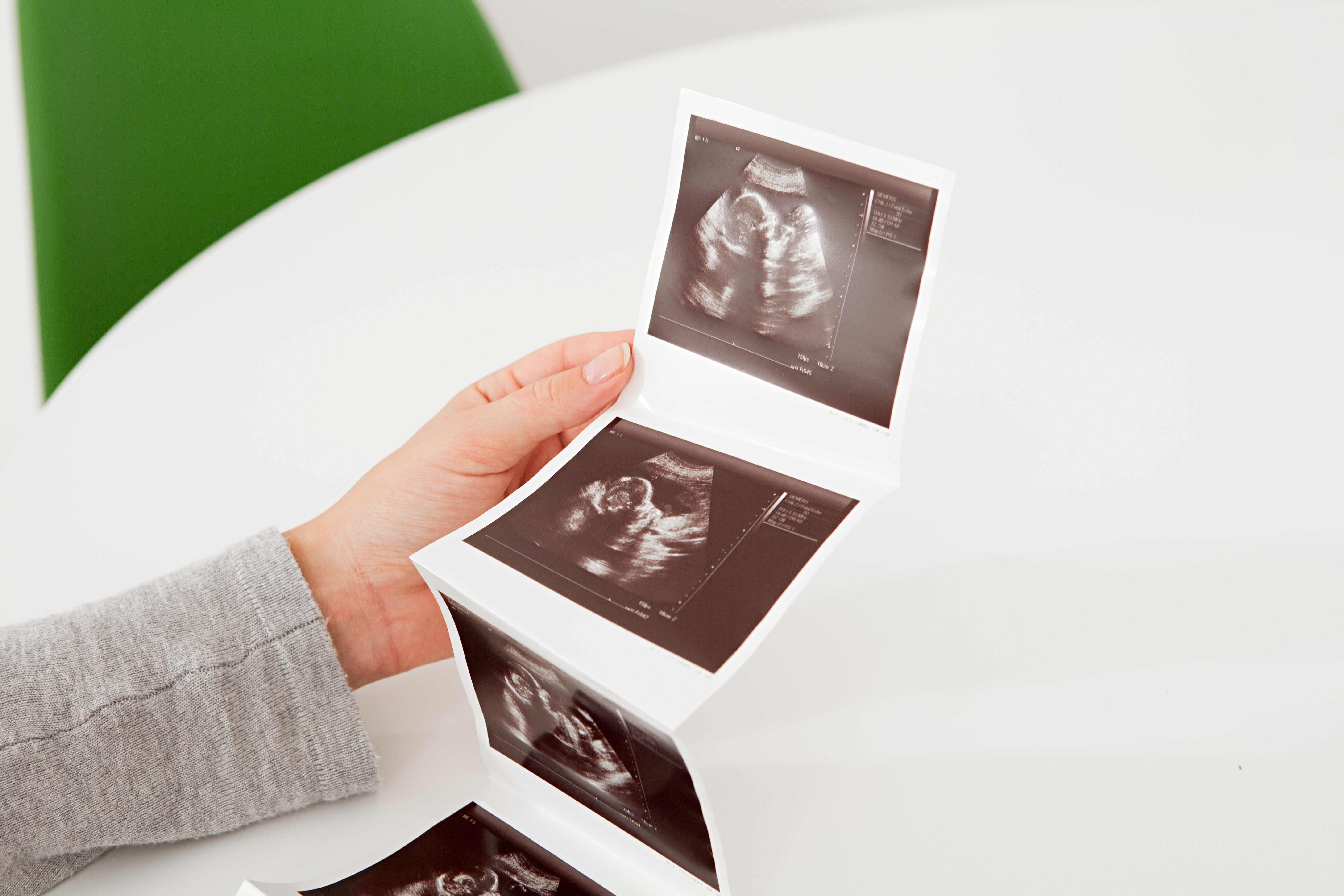 A number of private clinics and companies have begun offering ultrasound scans throughout pregnancy for those worried about their baby (Alamy/PA)
That’s exactly what happened to Williamson. As her pregnancy continued, so did the anxiety. “I struggled to enjoy the pregnancy because I was hypervigilant and hyperaware of every twinge.” In her third trimester, she worried about the baby’s movements. She’d await check-ups with anxiety so she could have the reassurance of hearing the baby’s heartbeat – but then would be worried until the next check-up.
It’s because of this need for reassurance among expectant mothers that a number of private clinics and companies have begun offering ultrasound scans throughout pregnancy for women who want more than just the standard 12-week and 20-week scans. In 2020, the British Medical Journal found at least 250 ultrasound clinics had sprung up, with costs of up to £250 each time, and research by Which? recently found 39 per cent of women who had given birth in the previous five years had paid for at least one private pregnancy scan.
“A lot of people feel particularly anxious if they’ve experienced a previous loss,” explains Dr Memarnia. “Women will say they can’t relax till they have their baby in their arms. They might feel particularly anxious coming up to scans, which then reassure them, then the thoughts of something bad happening rise again and the anxiety is there.”
I thought this was just what pregnancy is because that’s what everyone told me. But this was my anxiety disorder, full-blown raging
Anna Williamson
Williamson’s anxiety wasn’t just linked to her baby’s health. “I also had really bad food aversion which is a sign of increasing anxiety,” she adds. “I’d be irrationally angry at my husband for bringing meat into the house. As a couple we argued more because I had no filter or rational emotional regulation.”
The trouble was that she, like many women going through antenatal anxiety, assumed that her struggles were all hormonal. “I thought this was just what pregnancy is because that’s what everyone told me. But this was my anxiety disorder, full-blown raging,” says Williamson. “So many mothers experience this, but it gets put down to hormones. It’s very nuanced and there is a huge overlap with general feelings of worry, concern and emotion. But what differentiates feeling normally anxious to something more debilitating like perinatal anxiety is your quality of life becoming limited, and it being progressive and prolonged.”
Nikki Wilson, chief executive of the Maternal Mental Health Alliance, explains that antenatal anxiety is often undiagnosed because people are less aware of it, and know much more about postnatal anxiety and depression. “We have these assumed narratives that a lot of the problems are postnatal and that comes from the long societal tradition of talking about baby blues. But the reality is, we talk about maternal mental health from the point at which you decide you’d like to be a parent to the years after.”
Her organisation has seen a rise in perinatal anxiety in recent years, from one in five women experiencing it to one in four women. “Some people will wrongly argue it’s because people are being overdiagnosed with anxiety,” she explains. “But we think it’s partly about growing awareness around mental health and people being better able to self-identify than they used to.”
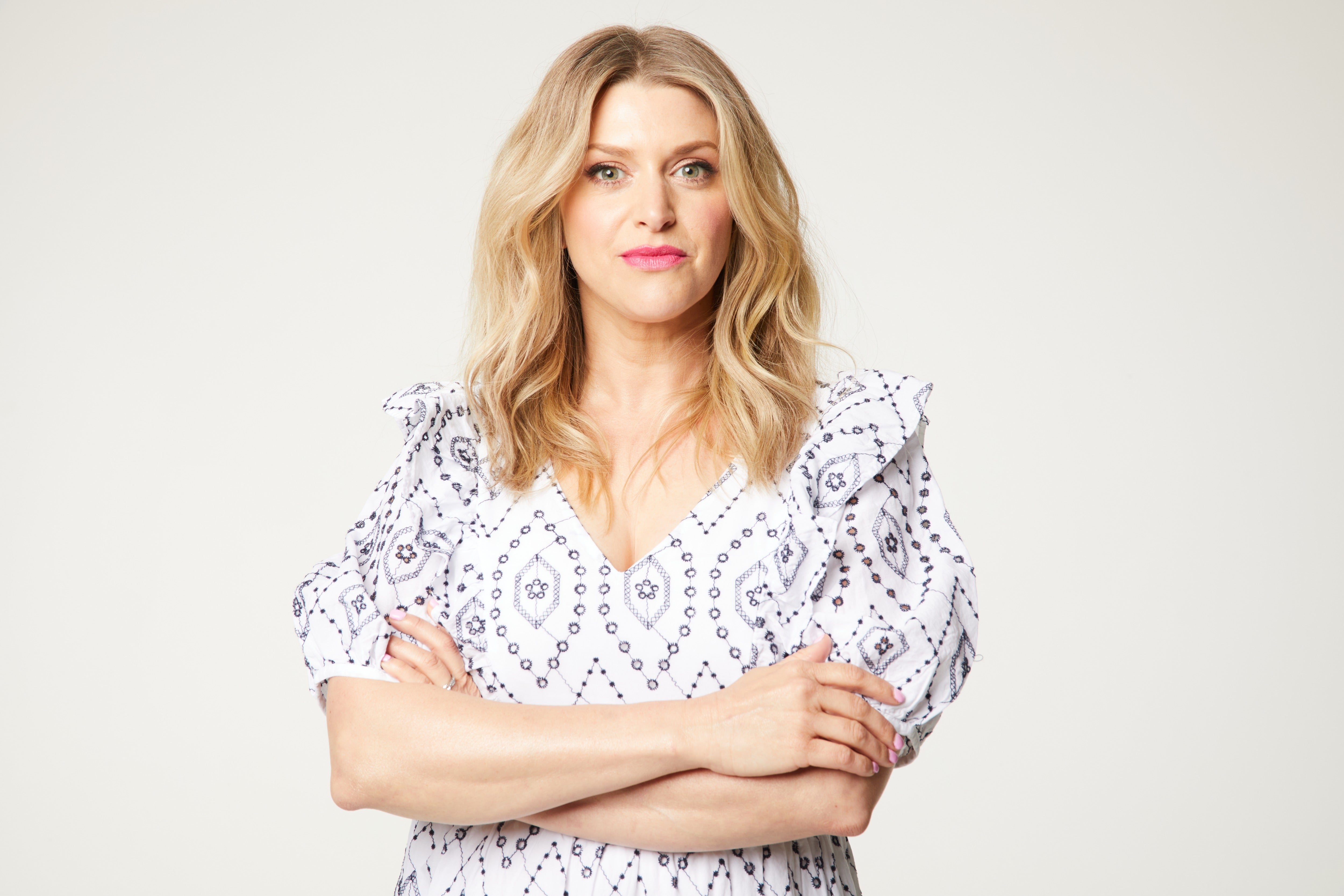 Anna Williamson: ‘We feel we should be smashing pregnancy. But most women I know are not’ (James Rudland)
Williamson – who had been taking medication for a general anxiety disorder before her first pregnancy – struggled so much during and after that pregnancy that when she became pregnant again a few years later, she made sure she did things differently. That meant speaking to health professionals and taking a low dose of anti-anxiety medication throughout her pregnancy, having a planned C-section so she could have as much control over her birth as possible, and having more boundaries with friends and loved ones.
“Nothing invites unwanted opinion more than being pregnant,” she says. “They’re often well-meant, but ill-thought-out comments like ‘you’d best get your sleep in’ and ‘your vagina’s never going to be the same again’ were deeply unhelpful; they just prolonged the anxiety.” When she was pregnant for the second time, she told people she didn’t want their opinions unless she’d asked for them.
She also stopped comparing her experience to other pregnant women, and tried to ignore societal expectations. “Because women get pregnant all the time we trivialise it, saying things like ‘get over it, get on with it, so-and-so was fine’. But when a woman’s going through it, it’s the most important and crazy thing she’ll go through – it’s massive.”
Social media makes all these things worse. Last year, a study found that women who used social media for medical information during their third trimester experienced higher anxiety and distress symptoms. “This was absolutely me,” says Poppy*, who became pregnant aged 20. “I found the internet itself made my obsessive worries drastically worse. The internet fed the hunger of my irrational thoughts as I constantly sought reassurance for an experience that was out of my control.”
Mareke, who was 30 when she gave birth to her daughter earlier this year, found that her social media algorithm changed when she was 35 weeks pregnant. “There was a lot of content about stillbirth or about women who are taking the hospital to court because of violence during the birth,” she says. “There was a lot of mistrust in modern medicine and hospitals. A lot of the content was from people who recommended a home birth or no pain relief. Most of it did not affect me too much. My birth plan was still that I wanted an epidural. But the content about stillbirth and violence during the birth made me worry a lot.”
She tried to change the algorithm by clicking that she wasn’t interested in this content, but in the end, she decided to come off Instagram during her third trimester to avoid triggering content.
Dr Memarnia believes this is the best solution. “We naturally worry about the health of our baby and the algorithm will pick up quite quickly on that, so we can end up seeing stories that increase anxiety and lead to persistent worry. I often say to women, see if you can just delete the app, even just for 24 hours, and notice how that feels.”
The internet fed the hunger of my irrational thoughts, constantly seeking reassurance for an experience that was out of my control
Poppy*
But social media isn’t always bad. Wilson points out there is also evidence showing the benefits of using social media to find communities, as well as the double-edged sword of having more information, such as the recent reports about investigations into failing NHS maternity services in the UK.
“On a personal level, if I’d known going into my first labour that birth can feel both safe and unsafe even in the same experience, I would have been – while worried – better prepared in terms of my expectations.” After a challenging birth that left her with acute PTSD, she sought out more support for her second birth, having a therapist on speed-dial and extra support systems.
She recommends that anyone who feels they may have antenatal anxiety should ask to see a specialist mental health midwife and ask to be referred into their local mental health service, or to contact the NHS’s Talking Therapies.
Williamson, now a celebrity ambassador for the Birth Trauma Awareness Association, encourages women to seek help. “No midwife or doctor will judge you. They’ll praise you. They can’t help you unless you’re honest. If you’re saying ‘you’re fine’, they don’t know anything’s wrong. If you won’t give them the truthful answer, they can’t help you.”
She also wants women to know that their experiences are valid – regardless of what they’re going through. “We feel we ‘should’ be smashing pregnancy. But most women I know are not. I’d always wanted to have babies, but I didn’t enjoy being pregnant. I was heavy. Everything hurt. I worried about everything. It was a complete state of overwhelm. It didn’t mean at any point I didn’t love my baby, and I think that’s the case for the majority of women. So if that’s you, you’re not alone.”
For support with perinatal anxiety, visit the parent information section at www.maternalmentalhealthalliance.org
*Names have been changed